
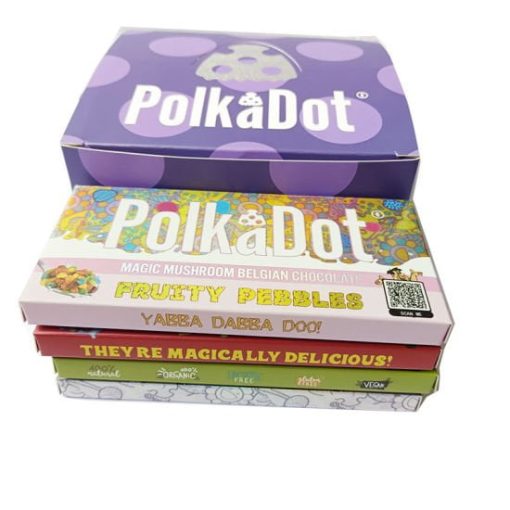
Polkadot Magic Chocolate | Psilocybin-Infused Edible
$90.00
Key Benefits
-
Taste Without Compromise: Smooth Belgian chocolate masks the natural bitterness of psilocybin
-
Precision-Dosed: 4 grams per bar, evenly split for customized use
-
Mood & Mind Enhancement: Elevates emotional balance, boosts mental clarity, and increases empathy
-
Creative Amplification: Perfect for artists, musicians, and designers
-
Holistic Wellness: May assist with anxiety, depression, and emotional stagnation under responsible use
Polkadot Magic Chocolate – Educational Overview (Safety, Science & Market Context)
Introduction
The name “Polkadot Magic Chocolate | Psilocybin-Infused Edible” is commonly seen in online discussions and informal marketplaces describing a category of mushroom-themed chocolate bars that are often associated with psychoactive compounds found in certain mushrooms.
Despite the candy-like appearance and branding, this is not a standardized food product category. Instead, it is part of an unregulated or loosely regulated edible market, where branding, labeling, and actual contents can vary widely.
Products using this name often combine:
- Chocolate confectionery design
- Mushroom-related branding
- Claims of psychoactive (“magic”) ingredients
However, there is no global manufacturing standard or consistent formulation behind this name.
What “Polkadot” Refers To
The term “Polkadot” is typically used as a brand-style label in the mushroom edible space. It is designed to sound playful, colorful, and recognizable, often using:
- Bright packaging designs
- Candy-like aesthetics
- Segment-style chocolate bars (similar to snack bars)
- Flavor variations (mint, caramel, cookies & cream, etc.)
However, “Polkadot” is not a regulated food brand in the traditional sense. In many cases, it is used broadly across different sellers and distributors, meaning:
- Products with the same name may not come from the same manufacturer
- Packaging may be copied or replicated
- Quality and contents may vary significantly
This lack of consistency is one of the key concerns in this market category.
What “Magic Chocolate” Means
The phrase “magic chocolate” is a marketing term, not a scientific or legal classification. It is often used to suggest that the product contains mushrooms associated with psychoactive effects.
These mushrooms are commonly linked to the species:
Psilocybe cubensis
This species contains naturally occurring compounds studied in neuroscience and psychology. However:
- The term “magic” is not scientific
- It does not indicate standardized potency
- It is used primarily for branding appeal
In regulated scientific research, these compounds are studied under controlled laboratory conditions, not as commercial chocolate products.
Why Chocolate Is Used as a Delivery Medium
Chocolate is widely used in edible products because it offers:
- Strong flavor masking for bitter ingredients
- Easy portion control through segmented bars
- Familiar consumer appeal
- Simple packaging and distribution
Milk chocolate or dark chocolate bases are especially common because they blend well with additional ingredients and create a familiar candy experience.
However, chocolate as a base does not guarantee safety, regulation, or accurate labeling.
Lack of Standardization in the Market
One of the most important aspects of products labeled “Polkadot Magic Chocolate” is the lack of standardization.
This means:
- There is no universal recipe
- Manufacturing quality may vary widely
- Dosage or ingredient claims may not be independently verified
- Different batches may differ significantly in composition
In regulated food or pharmaceutical industries, products must meet strict standards. In contrast, this category often exists outside those systems.
Marketing Language vs Reality
Products like this often rely heavily on branding language such as:
- “Magic”
- “Premium”
- “Extra strong”
- “Microdose”
- “Gold edition”
These terms are not regulated or scientifically defined. Instead, they are used to:
- Attract attention
- Create perceived value
- Differentiate products in a crowded market
Because of this, packaging alone cannot be used to determine product accuracy or safety.
Safety and Consumer Risks
Health and consumer safety discussions around unregulated mushroom edible products often highlight several concerns:
1. Ingredient Uncertainty
There is no guarantee that the contents match the label.
2. Variable Potency
Even identical-looking products can differ in strength.
3. Lack of Testing
Many products are not tested for purity, contaminants, or accurate composition.
4. Misleading Branding
Candy-like packaging can make products appear more regulated than they are.
5. Accidental Consumption Risk
Because they resemble normal chocolate, there is a risk of confusion with regular food products.
These concerns have been widely discussed in consumer safety warnings related to unregulated edible markets.
Legal Considerations
The legal status of psilocybin-related products varies widely across regions:
- In many countries, psilocybin is classified as a controlled substance
- Some jurisdictions allow limited medical or research use
- A few regions have decriminalized possession under specific conditions
- Enforcement varies significantly by location
Because of this, products labeled “Polkadot Magic Chocolate” may fall into different legal categories depending on where they are sold.
Scientific Research Context
In legitimate scientific settings, compounds associated with psychedelic mushrooms are studied for:
- Brain activity and perception research
- Potential mental health applications
- Controlled clinical trials
However, these studies use:
- Pure, laboratory-grade compounds
- Controlled dosage environments
- Medical supervision
- Ethical review processes
This is fundamentally different from commercial chocolate products sold under branding names.
Functional Mushrooms vs Psychedelic Branding
It is important to distinguish between:
Functional mushroom products (legal wellness category)
These include mushrooms such as:
- Lion’s Mane
- Reishi
- Cordyceps
- Chaga
They are:
- Non-psychoactive
- Used in supplements and health foods
- Generally regulated as dietary products
Psychedelic-branded chocolate products
These include items marketed under names like “Polkadot Magic Chocolate,” which:
- May reference psychoactive mushrooms in branding
- Often exist in unregulated markets
- Lack consistent oversight or testing
This distinction is critical for understanding safety and legality.
Why These Products Are Popular Online
Despite concerns, these products are widely discussed due to:
- Social media trends and viral marketing
- Curiosity about psychedelics
- Attractive candy-style packaging
- Misinterpretation as wellness supplements
- Online marketplace exposure
The combination of familiar chocolate branding and mysterious naming increases public interest.
Key Takeaways
- “Polkadot Magic Chocolate” is a branding label used in unregulated edible markets
- It is not a standardized or regulated food product category
- The name does not guarantee ingredients, strength, or safety
- Psilocybin-related compounds are controlled in many regions
- Products in this category vary widely in quality and legality
Conclusion
“Polkadot Magic Chocolate | Psilocybin-Infused Edible” represents a marketing-driven category of mushroom-themed chocolate products that exist outside consistent regulation in many regions. While the branding may suggest a structured and standardized edible product, the reality is that ingredients, legality, and safety can differ significantly depending on the source.
Understanding this distinction between branding, scientific research, and regulated food production is essential when interpreting products like this.
Be the first to review “Polkadot Magic Chocolate | Psilocybin-Infused Edible”
Related products
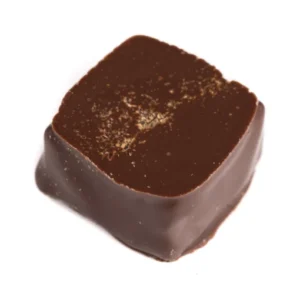
Chocolate Bars
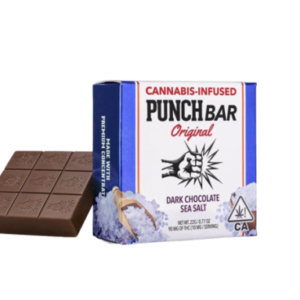
Chocolate Bars
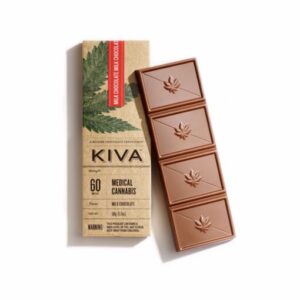
Chocolate Bars
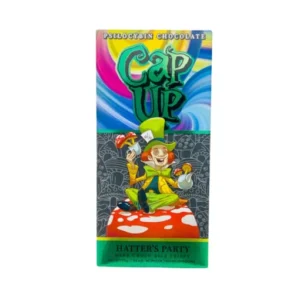
Chocolate Bars

Chocolate Bars
Chocolate Bars
Chocolate Bars
Chocolate Bars
2 reviews for Polkadot Magic Chocolate | Psilocybin-Infused Edible
There are no reviews yet.