
Moroccan Caramello Hash – Educational Guide to Traditional Soft Hashish
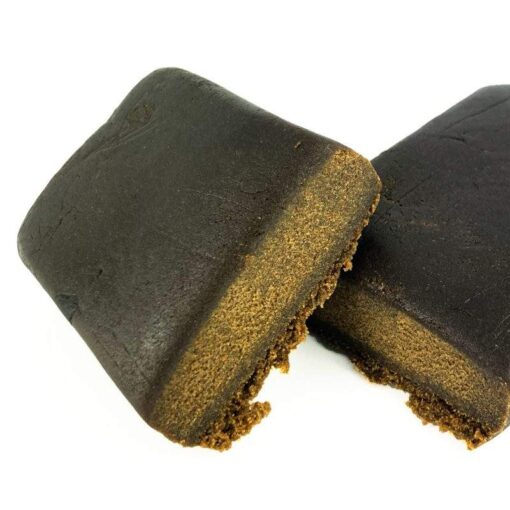
“Moroccan Caramello Hash” is a descriptive term used in cannabis culture to refer to a soft, resin-based cannabis concentrate inspired by traditional hashish production methods associated with Morocco. The word “caramello” typically describes the soft, pliable, caramel-like texture and appearance of certain high-quality hash varieties.
It is important to understand that this is not a standardized scientific product category. Instead, it is a combination of:
- Geographic reference (Morocco)
- Traditional hash-making techniques
- Texture-based marketing language (“caramello,” “soft hash”)
To understand this type of product, it is necessary to explore hashish history, production methods, resin chemistry, and regional traditions.
What Is Hashish?
Hashish is a cannabis concentrate made by collecting and compressing the resin glands (trichomes) of the cannabis plant.
Hashish
These trichomes contain most of the plant’s cannabinoids and aromatic compounds. When separated and pressed, they form a dense, resin-rich material known as hash.
Unlike modern laboratory extracts, traditional hash is usually made using physical separation methods, without chemical solvents.
Hashish has been produced for centuries across regions including North Africa, the Middle East, and South Asia.
The Role of Morocco in Hash Production
Morocco is one of the world’s most historically significant regions for traditional hash production.
Morocco
In the Rif Mountain region, cannabis has been cultivated for generations, and resin extraction is part of local agricultural tradition. The climate and terrain are well-suited for cannabis growth, contributing to the development of regional hash-making techniques.
Moroccan hash is often associated with:
- Dry-sieving methods
- Sun-dried cannabis plants
- Hand-processed resin
- Traditional pressing techniques
It is important to note that modern global trade often uses “Moroccan-style” as a cultural reference, and not all products labeled as such are necessarily sourced from Morocco.
What Does “Soft Hash” Mean?
Soft hash refers to a type of hashish that has a pliable, malleable texture rather than a dry or brittle one.
Characteristics of soft hash include:
- Warm, dough-like consistency
- Smooth, oily texture
- Dark golden or brown coloration
- High resin content
The softness is influenced by:
- Resin purity
- Temperature during processing
- Natural oils in the plant material
- Degree of compression and aging
Soft hash is often considered a more refined form in traditional grading systems.
What Does “Caramello” Mean in Hash Culture?
The term “caramello” is not a scientific classification. It is a descriptive term used in cannabis markets to refer to hash that resembles caramel in texture and color.
This typically implies:
- Soft, sticky consistency
- Warm golden-brown tones
- High resin-to-plant ratio
- Smooth handling characteristics
In traditional contexts, these traits may indicate careful processing and higher resin purity, but in modern markets, the term is largely a branding descriptor rather than a regulated grade.
How Traditional Moroccan Hash Is Made
Traditional Moroccan hash production relies on manual and semi-traditional techniques passed down through generations.
1. Cultivation and Harvesting
Cannabis plants are grown in suitable climates and harvested when resin production is at its peak.
2. Drying Process
Plants are dried in controlled conditions to preserve resin glands while reducing moisture.
3. Dry Sifting
One of the key methods used is dry sieving, where dried cannabis is gently agitated over fine mesh screens to separate trichomes from plant material.
4. Collection of Kief
The fine powder collected from sieving is known as kief, which consists mostly of trichomes.
5. Pressing and Heating
The kief is then pressed under heat and pressure to form solid blocks or soft resin masses.
6. Aging and Conditioning
Some hash is aged to improve texture, aroma, and pliability.
Why Moroccan Hash Is Historically Important
Moroccan hash has played a major role in global cannabis culture due to:
- Long-standing agricultural traditions
- Regional specialization in resin production
- Export history in international markets
- Distinctive texture and processing methods
Historically, it has been one of the most widely recognized forms of hashish globally, influencing modern production techniques.
Chemical Composition of Hash
Hash contains concentrated plant compounds derived from cannabis trichomes, including:
- Cannabinoids (such as THC and CBD)
- Terpenes (aromatic compounds)
- Plant waxes and lipids (in varying amounts)
The exact composition depends on:
- Plant genetics
- Growing environment
- Harvest timing
- Processing method
- Storage conditions
Modern cannabis science emphasizes chemical profiling rather than traditional naming systems.
Traditional vs Modern Hash Production
There are key differences between traditional Moroccan-style hash and modern industrial methods.
Traditional Methods
- Hand or mesh-based separation
- Sun-dried plant material
- Minimal machinery
- Regional craftsmanship
Modern Methods
- Industrial extraction systems
- Laboratory-controlled environments
- Standardized testing
- Commercial packaging
Both approaches produce resin concentrates, but differ in consistency, regulation, and scalability.
Quality Indicators in Traditional Hash
In traditional hash culture, quality is often assessed by sensory and physical characteristics.
Common indicators include:
1. Texture
Soft, pliable hash is often considered more refined.
2. Color
Golden-brown tones are typically associated with higher resin content.
3. Aroma
Strong, complex aromas indicate terpene preservation.
4. Purity
Less plant material suggests more refined separation.
However, these are traditional evaluation methods, not laboratory standards.
Storage and Stability (Educational Context)
Hashish is sensitive to environmental conditions.
Key factors affecting stability include:
- Heat exposure
- Oxygen exposure
- Light degradation
- Moisture imbalance
Proper storage helps preserve texture and chemical integrity over time.
In regulated environments, packaging is designed to reduce these risks.
Legal Considerations
Cannabis and hashish laws vary widely across regions.
Depending on jurisdiction, cannabis products may be:
- Legal for adult use
- Restricted to medical programs
- Controlled or regulated
- Completely illegal
Because of these differences, products labeled as hash may have different legal statuses depending on location.
Understanding local regulations is essential before engaging with cannabis-related materials.
Market Labeling and Misconceptions
Modern cannabis markets often use traditional or regional names in branding.
Common issues include:
- Geographic names used for style, not origin
- “Caramello” used as texture marketing
- Variable product consistency under the same label
- Lack of global standardization
This means consumers should interpret such terms as descriptive rather than scientific classifications.
Cultural Significance and Ethical Context
Traditional hash production in Morocco is deeply tied to regional agricultural practices and rural livelihoods.
Important considerations include:
- Cultural heritage preservation
- Sustainable farming practices
- Ethical sourcing awareness
- Impact of global commercialization
These factors are increasingly discussed in agricultural and policy research.
Industry Trends
The cannabis concentrate industry continues to evolve globally.
Key trends include:
- Revival of traditional hash techniques
- Improved quality testing in legal markets
- Greater transparency in labeling
- Increased interest in artisanal concentrates
- Expansion of resin-based product categories
These trends reflect growing consumer interest in both traditional and modern cannabis forms.
Conclusion
Moroccan Caramello Hash refers to a style of traditional cannabis resin associated with Moroccan hash-making techniques, often described as soft, pliable, and caramel-like in texture. However, this term is not a standardized scientific classification and is widely used in global markets as a cultural or descriptive label.
Understanding this category requires knowledge of hashish production methods, trichome extraction, regional traditions, chemical composition, and legal frameworks. As cannabis industries continue to develop, accurate education, transparency, and cultural awareness remain essential for interpreting such products responsibly.
Be the first to review “Moroccan Caramello Hash – Traditional Soft Hash”
Related products
concentrates
concentrates
concentrates
concentrates
concentrates

concentrates
concentrates
concentrates
2 reviews for Moroccan Caramello Hash – Traditional Soft Hash
There are no reviews yet.