

Understanding Live Rosin Pods: An Educational Overview
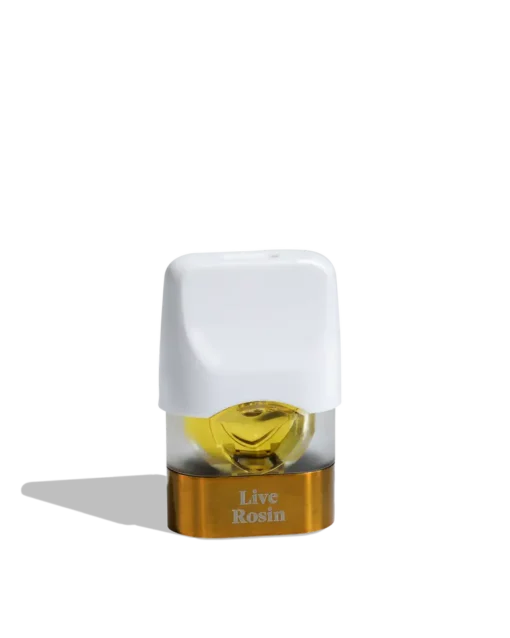
Live rosin pods are a category of cannabis concentrate products that have become increasingly visible in regulated cannabis markets. Products marketed under names such as “Live Rosin Pod 1g” are typically designed to contain a cannabis extract placed inside a pod-compatible device system. While branding and product names vary widely between manufacturers, the term live rosin refers to a specific type of cannabis concentrate that is generally produced without the use of chemical solvents during the extraction stage.
As cannabis markets continue to evolve, consumers are exposed to a growing range of product categories, including flower, concentrates, edibles, oils, tinctures, vaporizers, cartridges, and pods. Understanding what terms such as “live rosin,” “pod,” and “1g” mean can help consumers better understand product labeling, manufacturing practices, and regulatory considerations.
This article focuses on education and consumer awareness rather than product promotion or usage guidance.
What Is a Live Rosin Pod?
A live rosin pod is generally a cannabis concentrate product that combines two components:
- A cannabis extract known as live rosin.
- A pod system designed for compatibility with a specific device platform.
The word “pod” refers to the container that holds the concentrate. Pods are commonly designed to work only with certain hardware systems manufactured by particular companies.
Because pod systems are proprietary in many cases, compatibility may vary between manufacturers.
Understanding Live Rosin
The term live rosin is widely used within cannabis industries to describe a concentrate produced from fresh-frozen cannabis material through a solventless extraction process.
The phrase can be broken into two parts:
“Live”
“Live” generally refers to the use of freshly harvested cannabis that is frozen soon after harvest rather than being fully dried and cured before processing.
Manufacturers often use fresh-frozen plant material because they aim to preserve certain characteristics of the original plant.
“Rosin”
Rosin refers to a concentrate created through pressure and heat rather than chemical solvents.
This solventless approach has become a major area of interest in regulated cannabis markets because it relies primarily on mechanical extraction methods.
Why Solventless Extraction Is Discussed
One reason live rosin receives attention within cannabis industries is its solventless production method.
Unlike some concentrate categories that involve chemical extraction processes, solventless methods focus on mechanical separation techniques.
Supporters of solventless production often highlight factors such as:
- Simplicity of processing concepts
- Reduced reliance on chemical extraction agents
- Traditional extraction approaches
- Product transparency
However, regardless of extraction method, product quality depends heavily on manufacturing standards, testing procedures, and regulatory compliance.
What Does “1g” Mean?
The label “1g” generally refers to the amount of concentrate contained within the pod.
In product labeling, “g” stands for gram, which is a standard unit of measurement.
Product labels often include measurements to help identify package contents and support inventory tracking within regulated markets.
Consumers should always review labels carefully because packaging formats and measurements may differ between manufacturers.
Manufacturing Considerations
The production of live rosin products involves multiple stages.
These may include:
Harvesting
Plant material is harvested according to cultivation practices established by the producer.
Freezing
Fresh material may be frozen shortly after harvest to preserve characteristics of the plant.
Separation
Mechanical methods are used to separate desirable components from plant material.
Pressing
Heat and pressure are applied to create rosin.
Refinement
Manufacturers may further refine the concentrate before packaging.
Filling
The finished concentrate is placed into pod systems for distribution.
Each stage can influence product consistency and overall quality.
The Importance of Quality Control
Quality control is essential within regulated cannabis industries.
Manufacturers often implement systems designed to maintain consistency throughout production.
Examples may include:
- Batch tracking
- Documentation procedures
- Equipment calibration
- Employee training
- Production monitoring
Quality-control programs help improve transparency and accountability throughout manufacturing operations.
Laboratory Testing
Testing is one of the most important components of regulated cannabis markets.
Testing programs may evaluate:
- Product composition
- Contaminants
- Microbial safety
- Heavy metals
- Pesticide residues
- Label accuracy
Testing requirements vary by jurisdiction, but laboratory verification generally plays a central role in consumer protection.
Independent testing can help ensure that products meet applicable regulatory standards.
Product Labeling
Modern cannabis products often contain detailed labeling information.
Labels may include:
- Product name
- Manufacturer information
- Batch number
- Production date
- Testing details
- Storage recommendations
- Regulatory warnings
Clear labeling supports informed consumer decision-making and helps improve supply-chain transparency.
Packaging and Storage
Packaging serves several important purposes.
Product Protection
Packaging helps protect products from:
- Light exposure
- Air exposure
- Moisture
- Physical damage
Regulatory Compliance
Some jurisdictions require specific packaging features, including:
- Child-resistant mechanisms
- Warning statements
- Product identification information
Consumer Information
Packaging communicates important product details and safety information.
Proper storage conditions may also be recommended by manufacturers to help preserve product quality.
Consumer Awareness
As product categories become more complex, consumer education becomes increasingly important.
Consumers often benefit from understanding:
- Product terminology
- Label information
- Regulatory requirements
- Manufacturer transparency
- Testing practices
Education allows individuals to evaluate products more effectively and recognize differences between marketing language and verified information.
Branding and Marketing
Products such as live rosin pods are frequently marketed using distinctive brand identities.
Branding may involve:
- Product names
- Visual packaging
- Logos
- Color schemes
- Marketing themes
While branding helps products stand out in competitive markets, consumers should remember that branding alone does not guarantee product quality.
More meaningful indicators often include:
- Laboratory testing
- Transparency
- Manufacturing standards
- Regulatory compliance
Regulatory Considerations
Cannabis laws vary significantly across different regions.
Some jurisdictions:
- Permit adult-use cannabis products
- Operate medical cannabis programs
- Restrict certain product categories
- Prohibit cannabis entirely
As regulations continue to evolve, legal requirements may differ substantially between locations.
Consumers should always verify local laws and regulations before making assumptions about product legality.
Industry Trends
The cannabis industry continues to develop rapidly.
Current trends often include:
- Greater transparency
- Expanded product variety
- Enhanced testing standards
- Improved traceability systems
- Increased consumer education
As markets mature, regulators and manufacturers frequently focus on improving accountability and consumer protection.
The Role of Transparency
Transparency is increasingly viewed as a key component of consumer trust.
Manufacturers that provide clear information regarding:
- Ingredients
- Production methods
- Testing procedures
- Quality standards
may help consumers make more informed evaluations.
Transparent communication is often considered a hallmark of responsible business practices.
Conclusion
A live rosin pod is a cannabis concentrate product that combines a solventless extract with a pod-based delivery format. Terms such as “live,” “rosin,” and “1g” are commonly used throughout regulated cannabis markets, but understanding their meaning requires looking beyond branding and marketing language.
Consumers benefit from focusing on factors such as laboratory testing, product transparency, quality-control procedures, labeling accuracy, and regulatory compliance. As cannabis industries continue to evolve, education and informed decision-making remain important tools for understanding product categories and evaluating information responsibly.
Be the first to review “Bobby Wild Live Rosin Pod 1g”
Related products
concentrates
concentrates
concentrates
concentrates

concentrates
concentrates
concentrates
2 reviews for Bobby Wild Live Rosin Pod 1g
There are no reviews yet.