


Ghost OG Shatter – Educational Guide to Cannabis Concentrates
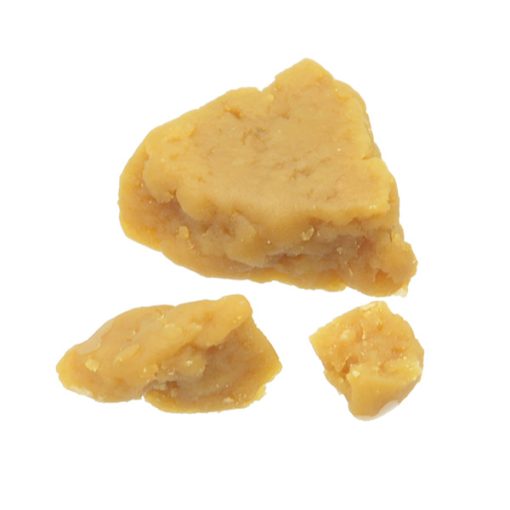
“Ghost OG Shatter” is a name commonly used within cannabis culture to describe a type of cannabis concentrate (shatter) associated with the well-known strain name Ghost OG. In regulated cannabis markets, products like this fall under the broader category of cannabis extracts or concentrates, which are designed to isolate and concentrate specific compounds found in the cannabis plant.
It is important to understand that names such as “Ghost OG Shatter” are primarily branding and classification terms, not standardized scientific product definitions. The actual composition, quality, and safety of such products can vary widely depending on cultivation methods, extraction processes, and regulatory oversight.
This article explains what shatter is, what Ghost OG refers to, how concentrates are produced, and what consumers should understand from a safety and education perspective.
What Is Cannabis Shatter?
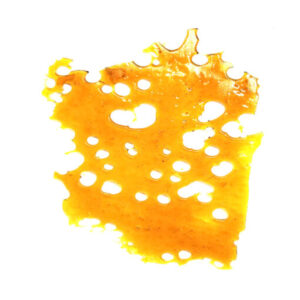
Shatter is a type of cannabis concentrate known for its glass-like appearance and brittle texture. It is one of several forms of cannabis extract, alongside wax, budder, crumble, live resin, and rosin.
The name “shatter” comes from its physical behavior—it can break or “shatter” into pieces when handled.
Shatter is typically amber or golden in color and is considered a highly refined extract, meaning most plant material has been removed during processing.
Key characteristics of shatter include:
- Hard, brittle consistency
- Transparent or semi-transparent appearance
- High concentration of extracted plant compounds
- Sensitive to heat and light exposure
However, appearance alone does not determine quality, purity, or safety.
Understanding “Ghost OG”
The term Ghost OG refers to a cannabis strain name commonly found in cannabis genetics discussions.
Ghost OG
In cannabis culture, strain names like Ghost OG are used to describe lineage-based or selectively bred plant varieties. These names often indicate a specific genetic background or breeder origin, but in modern markets, strain naming is not strictly regulated.
This means:
- Different growers may label genetically similar plants differently
- The same strain name may not guarantee identical effects or chemistry
- Marketing often influences strain naming conventions
Therefore, “Ghost OG” is best understood as a strain label within cannabis culture, not a scientifically standardized classification.
What Are Cannabis Concentrates?
Cannabis concentrates are products made by extracting desired compounds from the cannabis plant, primarily cannabinoids and aromatic compounds known as terpenes.
These concentrates are more potent by weight than traditional cannabis flower because much of the plant material has been removed.
Common types of concentrates include:
- Shatter
- Wax
- Budder
- Crumble
- Live resin
- Rosin
- Distillates
Each type differs based on how it is processed and the final texture it takes.
How Shatter Is Made (General Overview)
Cannabis shatter is produced through extraction and refinement processes designed to separate plant compounds from raw cannabis material.
1. Selection of Plant Material
The process begins with cannabis flower or trim. The quality of the starting material influences the final extract.
2. Extraction
Manufacturers use specialized methods to separate compounds from plant matter. In regulated environments, this is done using controlled equipment and safety procedures.
3. Filtration and Purification
After extraction, unwanted materials such as waxes, fats, and plant residues are removed.
4. Refinement Process
The extract is further processed to achieve a stable consistency. Shatter forms when the compounds are cooled and structured into a brittle, glass-like state.
5. Packaging
The final concentrate is packaged in airtight containers to protect it from heat, air, and light exposure.
Why Shatter Has a Glass-Like Texture
The texture of shatter is influenced by how the extracted compounds are processed and cooled.
Key factors include:
- Temperature control during refinement
- Moisture content
- Chemical stability of compounds
- Cooling and setting process
When these conditions are met, the extract forms a rigid structure that breaks easily when handled.
However, exposure to heat or humidity can cause shatter to become soft or unstable over time.
Importance of Testing and Quality Control
In regulated cannabis markets, laboratory testing is a crucial part of product safety and compliance.
Testing may evaluate:
- Cannabinoid levels
- Presence of residual solvents
- Pesticide contamination
- Heavy metals
- Microbial contamination
Independent testing helps ensure that products meet legal safety standards.
Without proper testing, consumers cannot verify purity, potency, or contamination risks.
Labeling and Transparency
Cannabis products in regulated systems often include labeling such as:
- Product name
- Strain designation (e.g., Ghost OG)
- Batch number
- Manufacturer details
- Cannabinoid content
- Warning statements
- Testing information
Clear labeling helps improve traceability and allows consumers to understand product origins and compliance status.
However, in unregulated markets, labeling may be incomplete, inconsistent, or misleading.
Storage Considerations (Educational Context)
Cannabis concentrates like shatter are sensitive to environmental conditions.
Common factors that affect stability include:
- Heat exposure
- Light exposure
- Air oxidation
- Moisture
Improper storage can change texture, appearance, and chemical stability.
Consumer Awareness and Market Reality
It is important to understand that cannabis concentrate markets vary widely depending on legal status and regulation.
Key awareness points include:
1. Strain Names Are Not Standardized
Names like Ghost OG may differ across producers.
2. Product Quality Varies
Concentrates can differ significantly depending on production methods.
3. Marketing Terms Are Not Scientific Standards
Words like “premium,” “top shelf,” or “strong” are not regulated measurements.
4. Legal Status Varies by Region
Cannabis laws differ widely across countries and states.
Legal Considerations
Cannabis concentrates, including shatter, are regulated differently around the world.
In some regions:
- Cannabis is legal for adult use
- Medical cannabis is permitted
- Concentrates are restricted or regulated separately
- Cannabis is completely prohibited
Because of these differences, legality depends entirely on local law.
Consumers should always verify regulations before engaging with cannabis-related products.
Safety and Public Health Perspective
From a public health standpoint, key concerns with cannabis concentrates include:
- Lack of consistency in unregulated markets
- Unknown production conditions
- Variability in potency
- Potential contaminants in poorly regulated products
Regulated systems aim to reduce these risks through testing, licensing, and oversight.
Industry Trends
The cannabis concentrate market continues to evolve.
Key trends include:
- Improved extraction technology
- Increased regulatory oversight
- Greater transparency in testing
- Expansion of concentrate categories
- More standardized labeling in legal markets
As the industry matures, consistency and consumer education are becoming more important.
Conclusion
Ghost OG Shatter refers to a cannabis concentrate associated with the Ghost OG strain name and the shatter texture category. While widely discussed in cannabis culture, it is important to understand that strain names and concentrate labels are not standardized scientific definitions.
Cannabis shatter is a highly refined extract whose characteristics depend on production methods, testing standards, regulatory oversight, and storage conditions. Because cannabis laws and product standards vary widely, education, transparency, and awareness are essential for understanding how these products are classified and regulated.
Be the first to review “Ghost OG Shatter”
Related products
concentrates
concentrates
concentrates
concentrates
concentrates
concentrates
concentrates

concentrates
1 review for Ghost OG Shatter
There are no reviews yet.