


Cannabis Budder – Understanding a Premium Cannabis Concentrate
Cannabis budder is a term used within the cannabis industry to describe a type of cannabis concentrate known for its soft, creamy texture. As cannabis markets have evolved in regions where cannabis products are legal, concentrates have become one of the fastest-growing product categories. Alongside terms such as wax, shatter, live resin, and rosin, budder has become a commonly recognized name among consumers interested in learning about cannabis product classifications.
While product names and branding often emphasize quality, texture, or production methods, understanding what cannabis budder actually is requires looking beyond marketing terminology. This educational guide explores the origins of budder, how it is produced, the role of quality control, labeling practices, consumer awareness, and regulatory considerations.
What Is Cannabis Budder?
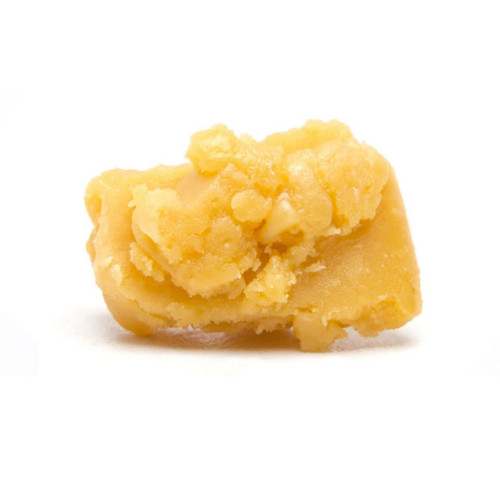
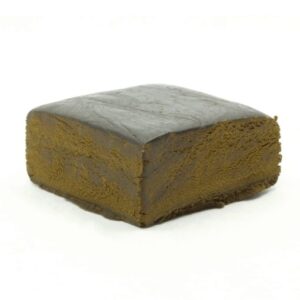
Cannabis budder is a cannabis concentrate characterized primarily by its texture. The term “budder” comes from the product’s appearance, which is often compared to whipped butter or soft frosting.
Unlike dried cannabis flower, concentrates undergo additional processing to separate and concentrate certain compounds found in the plant. The resulting product is typically more refined than raw plant material and can take on a variety of textures depending on production methods.
Budder is considered one of several concentrate consistency categories, alongside:
- Wax
- Shatter
- Crumble
- Sauce
- Live resin
- Rosin
These terms generally describe physical appearance and texture rather than establishing universal quality standards.
Why Texture Matters
One of the defining characteristics of cannabis concentrates is texture.
Texture can influence:
- Product handling
- Packaging requirements
- Storage conditions
- Consumer perception
- Manufacturing processes
Budder is often recognized because of its smooth and creamy consistency. This consistency is typically achieved through production techniques that influence the arrangement of compounds within the concentrate.
The texture itself does not necessarily determine quality, but it helps distinguish budder from other concentrate categories.
The Evolution of Cannabis Concentrates
Cannabis concentrates have existed in various forms for decades. However, advancements in extraction technology and regulatory frameworks have significantly expanded the concentrate market.
Several factors contributed to this growth:
Product Innovation
Manufacturers continually explore new concentrate formats and production methods.
Consumer Interest
As legal cannabis markets expanded, consumers became more interested in understanding product differences.
Technology Improvements
Modern extraction and processing technologies have improved consistency and manufacturing precision.
Market Competition
Companies frequently develop new products to differentiate themselves in increasingly competitive markets.
Understanding Concentrate Production
Cannabis concentrates are generally produced through processes that separate desirable plant compounds from the original plant material.
While exact methods vary, production often involves:
Raw Material Selection
The quality of starting plant material can influence the final product.
Extraction
Compounds are separated from plant matter through specialized extraction techniques.
Purification
Additional processing may help remove unwanted materials.
Refinement
Manufacturers adjust consistency and texture during refinement stages.
Packaging
The finished concentrate is packaged and labeled according to regulatory requirements.
The final texture of budder is influenced by production variables such as temperature, processing techniques, and handling procedures.
Quality Control in Manufacturing
Quality control is one of the most important aspects of regulated cannabis production.
Manufacturers often implement systems designed to maintain:
- Product consistency
- Documentation accuracy
- Equipment performance
- Batch traceability
- Regulatory compliance
Quality-control programs help support transparency and consumer confidence.
Without standardized quality-control measures, products may vary significantly between production batches.
Laboratory Testing and Verification
Testing plays a major role in modern regulated cannabis industries.
Laboratory programs may evaluate:
- Product composition
- Purity
- Contaminants
- Microbial safety
- Heavy metals
- Residual substances
- Label accuracy
Independent testing helps verify that products meet applicable regulatory requirements.
Consumers increasingly view testing as an important indicator of product transparency and accountability.
Product Labeling
Clear labeling is essential in regulated markets.
Labels commonly include:
- Product name
- Manufacturer information
- Batch identification
- Production dates
- Storage recommendations
- Testing details
- Regulatory warnings
Accurate labeling helps consumers understand what they are purchasing and supports traceability throughout the supply chain.
Consumers should review product labels carefully and understand local regulatory requirements.
Packaging Considerations
Packaging serves several important functions.
Protection
Packaging helps protect products from:
- Air exposure
- Moisture
- Light
- Physical damage
Compliance
Regulations may require:
- Child-resistant packaging
- Warning statements
- Product identification information
- Batch tracking information
Information
Packaging communicates important product details and manufacturer information.
Well-designed packaging balances consumer convenience with regulatory compliance and product protection.
Consumer Awareness and Education
As cannabis product categories become more diverse, consumer education becomes increasingly valuable.
Important areas of awareness include:
Understanding Terminology
Consumers benefit from learning the differences between concentrate categories.
Recognizing Marketing Language
Terms such as “premium,” “ultra,” or “top shelf” are marketing phrases rather than regulated quality classifications.
Evaluating Transparency
Clear information regarding testing, manufacturing, and labeling often provides more useful insights than branding alone.
Researching Manufacturers
Understanding a company’s reputation and quality practices can help consumers make informed evaluations.
Regulatory Considerations
Cannabis laws vary significantly around the world.
Depending on location, cannabis products may be:
- Legal for adult use
- Available through medical programs
- Restricted to licensed facilities
- Prohibited entirely
Regulatory systems often establish requirements regarding:
- Manufacturing standards
- Testing procedures
- Packaging rules
- Labeling requirements
- Advertising restrictions
Because regulations differ between jurisdictions, consumers should always consult local laws before evaluating product availability or legality.
Marketing Versus Verified Information
One challenge in specialty product markets is distinguishing marketing language from verified information.
Marketing may emphasize:
- Premium quality
- Exclusive formulations
- Superior experiences
- Luxury branding
While branding helps companies differentiate products, consumers often benefit more from reviewing:
- Laboratory results
- Manufacturing information
- Ingredient disclosures
- Regulatory compliance documentation
Objective information generally provides a stronger foundation for evaluation than promotional language.
Industry Trends
The cannabis concentrate sector continues to evolve.
Current trends include:
Enhanced Testing
Regulators increasingly emphasize product verification and transparency.
Improved Traceability
Many markets now require detailed tracking throughout the production process.
Greater Consumer Education
Educational resources help consumers understand product categories and terminology.
Manufacturing Innovation
Producers continue refining production techniques to improve consistency and quality control.
These developments reflect growing expectations for accountability within regulated industries.
The Importance of Transparency
Transparency has become one of the most important factors influencing consumer trust.
Companies that provide clear information regarding:
- Production practices
- Testing procedures
- Product composition
- Regulatory compliance
often contribute to more informed consumer decision-making.
Transparency helps bridge the gap between branding and verifiable information.
Conclusion
Cannabis budder is a concentrate category primarily defined by its smooth, creamy texture. As part of the broader cannabis concentrate market, budder represents one of several consistency-based classifications used to describe processed cannabis extracts.
Understanding cannabis budder involves more than simply recognizing a product name. Consumers benefit from learning about manufacturing concepts, laboratory testing, quality-control systems, packaging standards, labeling practices, and regulatory frameworks. By focusing on transparency and verified information rather than marketing claims alone, individuals can better understand the role of cannabis concentrates within modern regulated markets.
Be the first to review “Cannabis Budder – Premium Cannabis Concentrate”
Related products
concentrates

concentrates

concentrates
concentrates

concentrates

concentrates

concentrates
concentrates
3 reviews for Cannabis Budder – Premium Cannabis Concentrate
There are no reviews yet.