
Live Resin – Full-Spectrum Cannabis Concentrate (Educational Guide)
Live resin is a type of cannabis concentrate known for preserving a high level of aromatic compounds and plant chemistry compared to many traditional extracts. It is often discussed in regulated cannabis markets as a “full-spectrum” concentrate because it aims to retain a broad range of compounds naturally found in the cannabis plant.
Unlike standard concentrates made from dried plant material, live resin is produced using fresh-frozen cannabis, which significantly changes the chemical profile and sensory characteristics of the final extract.
It is important to understand that live resin is not a strain or a brand—it is a method of extraction and processing that influences how the final concentrate is formed.
What Is Live Resin?
Live resin is a cannabis extract made from plant material that is frozen immediately after harvest instead of being dried and cured first.
This freezing step is what gives live resin its name.
The goal is to preserve delicate compounds such as:
- Terpenes (aromatic compounds)
- Cannabinoids (like THC and CBD)
- Minor plant compounds
Because fresh plant material contains more volatile compounds than dried cannabis, freezing helps preserve these elements before they degrade.
Why “Fresh-Frozen” Matters
Most traditional cannabis processing involves drying and curing the plant after harvest. During this process, some volatile compounds are naturally lost.
Live resin takes a different approach:
- Plants are harvested
- They are immediately frozen
- Extraction happens while the plant is still in a “fresh” chemical state
This method is designed to preserve compounds that are often reduced or altered during drying.
The result is typically a concentrate with a richer aromatic profile and more complex chemical retention.
What Are Terpenes?
A key reason live resin is valued in cannabis discussions is its terpene content.
Terpenes are natural compounds found in many plants, not just cannabis. They are responsible for aroma and flavor characteristics.
Common terpene examples include:
- Myrcene (earthy, herbal notes)
- Limonene (citrus-like aroma)
- Pinene (pine-like scent)
- Linalool (floral notes)
Terpenes play an important role in how cannabis is studied because they interact with cannabinoids and contribute to the plant’s overall chemical complexity.
Live resin tends to preserve more of these compounds compared to many other extraction methods.
How Live Resin Is Made (General Overview)
Live resin production is a controlled industrial process used in regulated cannabis manufacturing environments.
1. Harvesting the Plant
Cannabis plants are harvested at peak maturity, when cannabinoid and terpene levels are considered optimal.
2. Immediate Freezing
Instead of drying the plant, it is quickly frozen. This step helps lock in volatile compounds.
3. Extraction
The frozen plant material is processed using specialized extraction methods that separate desired compounds from plant matter.
This stage requires controlled conditions because frozen plant material behaves differently from dried cannabis.
4. Refinement
After extraction, the material is refined to remove unwanted plant substances while preserving cannabinoids and terpenes.
5. Formulation and Separation
The extract may be processed into different consistencies, depending on the final product type (e.g., sauce-like or more solid forms).
6. Packaging
The finished concentrate is packaged in airtight containers to protect it from heat, light, and air exposure.
What “Full-Spectrum” Means
Live resin is often described as a full-spectrum concentrate, meaning it retains a wide range of compounds from the original plant.
This includes:
- Major cannabinoids
- Minor cannabinoids
- Terpenes
- Other aromatic compounds
The idea behind full-spectrum products is that the combination of multiple plant compounds may better reflect the plant’s original chemical complexity compared to isolated extracts.
However, it is important to note that “full-spectrum” is a descriptive industry term, not a strictly regulated scientific category.
Live Resin vs Other Cannabis Concentrates
Live resin is often compared to other concentrate types. The key differences come from starting material and processing methods.
Dried-Flower Concentrates
Most traditional concentrates are made from dried and cured cannabis. During drying, some volatile compounds are lost.
Live Resin
Made from fresh-frozen plant material, preserving more aromatic compounds.
Distillates
Highly refined extracts that isolate specific cannabinoids, often removing most terpenes and minor compounds.
Rosin
A solventless concentrate made using heat and pressure rather than chemical extraction.
Each type serves different purposes in regulated cannabis markets, depending on desired chemical profiles and production methods.
Why Live Resin Is Popular in Cannabis Markets
Live resin has gained popularity due to its perceived preservation of plant compounds and aromatic complexity.
Key reasons include:
- Strong aromatic profile
- Preservation of volatile compounds
- Full-spectrum chemical representation
- Variety of textures and consistencies
- Technological innovation in extraction
It is widely discussed in markets where cannabis concentrates are legally regulated.
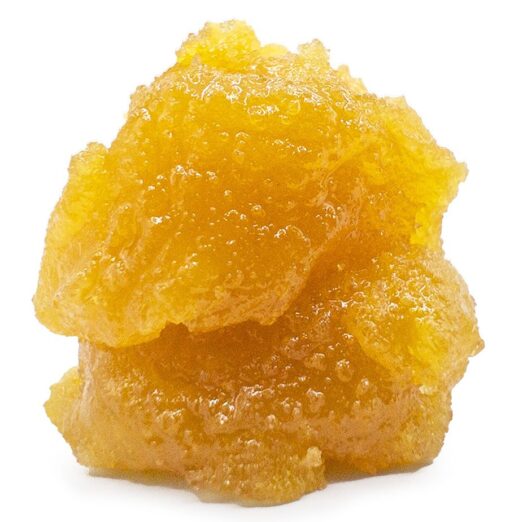
Texture and Appearance
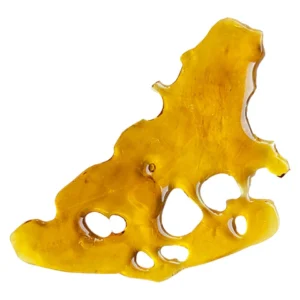
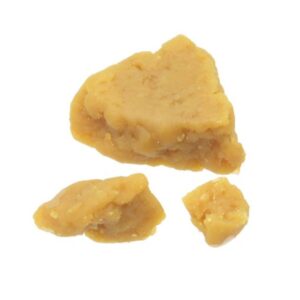
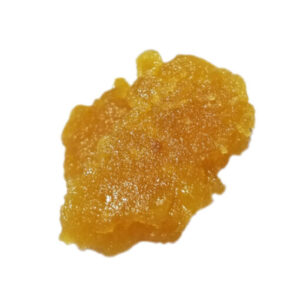
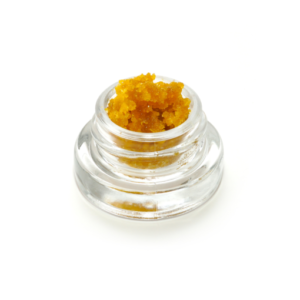
Live resin can appear in different forms depending on processing methods, such as:
- Thick, sauce-like consistencies
- Semi-solid or crystalline mixtures
- Oily or resinous textures
The appearance depends on:
- Extraction method
- Temperature control
- Post-processing techniques
- Terpene content
Because of these variables, live resin does not have a single standardized texture.
Quality Control and Testing
In regulated cannabis systems, live resin products are typically required to undergo laboratory testing.
Testing may evaluate:
- Cannabinoid levels
- Terpene composition
- Residual solvents
- Pesticide contamination
- Heavy metals
- Microbial safety
These tests help ensure compliance with safety regulations and provide transparency for consumers.
A Certificate of Analysis (COA) is often used to document test results.
Packaging and Storage Considerations
Live resin is sensitive to environmental conditions due to its terpene content.
Key factors affecting stability include:
- Heat exposure
- Oxygen exposure
- Light degradation
- Improper sealing
Proper packaging is designed to preserve chemical integrity and reduce degradation over time.
Consumer Awareness and Misconceptions
Several misconceptions exist around live resin:
1. “Stronger means better”
Potency does not determine quality. Chemical complexity and purity also matter.
2. “All live resin is the same”
Production methods and quality standards vary widely.
3. “Full-spectrum guarantees consistency”
Full-spectrum describes composition, not uniformity across products.
4. “Strain names are reliable indicators”
Strain names are not standardized and may vary between producers.
Legal Considerations
The legal status of cannabis products, including live resin, depends entirely on jurisdiction.
Depending on location, cannabis may be:
- Fully legal for adult use
- Legal only for medical use
- Restricted or regulated
- Completely illegal
Because laws vary globally, consumers must always follow local regulations.
Industry Trends
The cannabis concentrate industry continues to evolve, and live resin plays a major role in product innovation.
Current trends include:
- Improved preservation technologies
- More precise extraction methods
- Better terpene profiling
- Increased regulatory oversight
- Greater emphasis on transparency and testing
These developments reflect a maturing industry focused on consistency and safety.
The Importance of Education
Understanding live resin requires knowledge of:
- Plant chemistry
- Extraction methods
- Regulatory systems
- Testing standards
- Marketing language
Education helps distinguish between scientific information and promotional terminology, which is especially important in rapidly evolving cannabis markets.
Conclusion
Live resin is a cannabis concentrate produced from fresh-frozen plant material to preserve a broader range of cannabinoids and terpenes. It is widely discussed in regulated cannabis industries due to its full-spectrum chemical profile and preservation-focused extraction method.
However, it is not a standardized product with uniform characteristics. Its quality, composition, and safety depend on manufacturing practices, testing standards, and regulatory oversight.
Understanding live resin involves more than strain names or marketing terms—it requires awareness of extraction science, labeling practices, and legal frameworks. As the cannabis industry continues to develop, education and transparency remain essential for interpreting products responsibly.
Be the first to review “Live Resin – Full-Spectrum Cannabis Concentrate”
Related products
concentrates
concentrates
concentrates
concentrates
concentrates
concentrates
concentrates
Reviews
There are no reviews yet.