
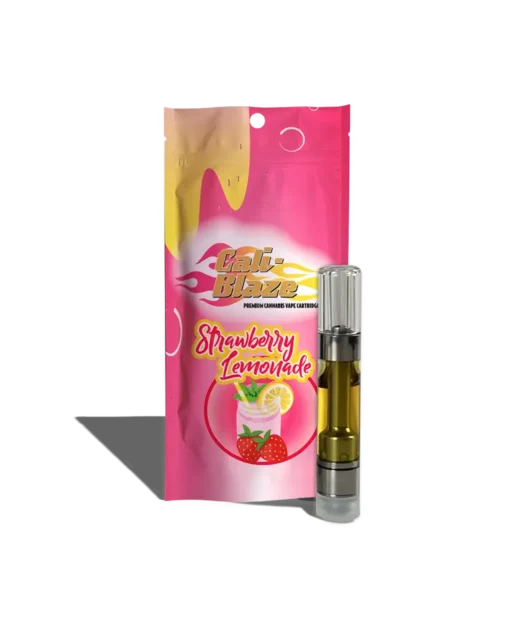
Strawberry Lemonade: Educational Overview of Hybrid Cannabis Strains and Vaporizer Technology
Strawberry Lemonade is a cannabis strain name commonly used in discussions about hybrid genetics, fruity aroma profiles, and modern cannabis breeding. In educational contexts, it is often referenced as an example of how breeders combine different genetic lines to produce plants with distinct sensory and botanical characteristics. Alongside this, vaporizer cartridge technology represents a widely used method of consuming cannabis concentrates in regulated environments.
This article provides a neutral, informational overview of hybrid cannabis strains, terpene science, cultivation concepts, and vaporizer hardware systems.
Understanding Hybrid Cannabis Strains
Cannabis plants are generally categorized into three broad groups: indica, sativa, and hybrid. Hybrid strains are created by crossing different genetic lineages to produce plants that express a combination of traits.
Strawberry Lemonade is often described in cannabis discussions as a hybrid strain associated with fruity aroma profiles. Hybrids are especially popular because they allow breeders to balance characteristics such as growth patterns, plant structure, and aromatic expression.
Hybridization in cannabis is a long-term breeding process that involves selecting parent plants with desirable traits and stabilizing those traits over multiple generations.
Aroma and Terpene Composition
One of the most important aspects of cannabis strains is their terpene profile. Terpenes are naturally occurring aromatic compounds found in many plants, including fruits, herbs, and trees. They contribute significantly to the scent and flavor of cannabis varieties.
Common Terpenes in Fruity Cannabis Profiles
- Limonene – Associated with citrus fruits like lemons and oranges
- Myrcene – Often found in mangoes and contributes earthy, fruity notes
- Caryophyllene – Adds spicy or pepper-like undertones
- Pinene – Found in pine trees and contributes fresh, herbal aromas
Strawberry Lemonade is typically associated in discussions with sweet, citrus-forward aromatic qualities influenced by combinations of these terpenes.
The Role of Plant Genetics
Cannabis genetics determine how a plant grows, what compounds it produces, and how it responds to environmental conditions. Breeders work to stabilize genetics so that strains consistently express specific traits such as aroma, structure, and chemical composition.
Hybrid strains like Strawberry Lemonade are examples of how selective breeding can emphasize fruity or citrus-like characteristics while maintaining balanced growth patterns.
Genetics can influence:
- Plant height and structure
- Flower density
- Resin production
- Terpene expression
- Growth cycle length
Cannabis Plant Development
Cannabis plants go through several stages of growth:
Germination
Seeds sprout and develop early root structures.
Vegetative Stage
The plant focuses on leaf and stem growth.
Flowering Stage
The plant begins producing resinous flowers containing cannabinoids and terpenes.
Environmental conditions such as light cycles, temperature, humidity, and nutrients significantly affect how the plant develops during each stage.
Understanding Trichomes
Trichomes are microscopic resin glands found on cannabis flowers. They play a key role in producing the compounds associated with cannabis aroma and chemical profile.
Trichomes contain:
- Cannabinoids
- Terpenes
- Flavonoids
These structures often give mature cannabis flowers a frosted or crystalline appearance.
Cannabis Concentrates and Extraction
Cannabis concentrates are created by extracting active compounds from plant material. These extracts are then processed into various forms used in regulated products.
Common concentrate categories include:
- Distillates
- Rosin
- Resin
- Wax
- Oils
Each type differs in production method, chemical composition, and consistency.
Extraction methods vary widely and often require specialized equipment and controlled environments.
Vaporizer Cartridge Technology
A vaporizer cartridge is a device designed to hold cannabis oil or concentrate and attach to a battery-powered vaporizer. When activated, the system heats the material to produce vapor instead of combustion.
Cartridges are commonly used in regulated markets due to their portability and ease of use.
Main Components of a Cartridge
A standard cartridge system includes several parts:
Reservoir Chamber
Holds the cannabis oil or concentrate.
Heating Element
A coil or ceramic structure that heats the material.
Airflow System
Channels that direct vapor through the device.
Mouthpiece
The part used for inhalation.
Battery Connection
The interface that powers the heating system.
Each component plays an important role in device performance and efficiency.
How Vaporization Works
When the battery is activated, electrical energy is sent to the heating element. The heating element raises the temperature of the oil inside the cartridge.
As the material heats, it transforms into vapor, which travels through airflow channels and exits through the mouthpiece.
Modern devices often use temperature control systems to improve consistency and reduce overheating risks.
Types of Vape Cartridge Systems
There are several categories of cartridge systems:
- 510-thread cartridges – Standardized connection format
- Ceramic coil cartridges – Designed for even heating
- Cotton wick cartridges – Traditional absorption systems
- Disposable vape devices – Integrated battery and cartridge units
Each system has different engineering designs and performance characteristics.
Storage and Handling Guidelines
Proper storage helps maintain cartridge stability and performance. General recommendations include:
- Store upright when possible
- Avoid exposure to heat
- Keep away from direct sunlight
- Store in dry environments
- Follow manufacturer instructions
Environmental conditions can influence viscosity, airflow, and device performance.
Quality Control and Testing
In regulated markets, cannabis products may undergo laboratory testing to ensure safety and consistency. Testing may evaluate:
- Cannabinoid levels
- Terpene profiles
- Contaminants
- Residual solvents
- Manufacturing consistency
These standards vary depending on jurisdiction and regulatory frameworks.
Legal Considerations
Cannabis laws differ widely across countries and regions. Some jurisdictions allow medical or adult-use cannabis, while others maintain strict prohibitions.
Understanding local regulations is essential for compliance and responsible discussion of cannabis-related topics.
Conclusion
Strawberry Lemonade is commonly discussed as a hybrid cannabis strain associated with fruity and citrus-like aroma profiles influenced by terpene composition. In parallel, vaporizer cartridge technology represents a widely used delivery system for cannabis concentrates in regulated environments. Studying hybrid genetics, terpene science, plant biology, and vaporizer engineering provides a broader understanding of how cannabis products are developed and processed within legal frameworks.
Be the first to review “Strawberry Lemonade THC Vape Cartridge 1g – Hybrid Vape”
Related products


Reviews
There are no reviews yet.