
THC Vape Cartridges Explained: Cannabis Oil Science, Terpenes, and Vaporization Technology (Educational Guide)
Cannabis vape cartridges are widely used in regulated cannabis markets as a modern method of consuming cannabis extracts. A product described as a “THC vape cart” typically refers to a pre-filled cartridge containing concentrated cannabis oil that is vaporized using a battery-powered device.
These products are not simple plant material. Instead, they are the result of complex extraction processes, chemical refinement, and formulation science that isolate and concentrate cannabinoids and terpenes from cannabis plants.
To understand how a THC vape cartridge works, it is important to explore the science behind cannabis oil production, terpene formulation, cannabinoid chemistry, and vaporization technology.
Cannabis Oil and Concentrates
Cannabis vape cartridges contain concentrated oils derived from cannabis flowers and plant material. These oils are produced through extraction processes that separate cannabinoids and aromatic compounds from raw plant matter.
Cannabis concentrates may be made using several methods:
CO₂ Extraction
This method uses pressurized carbon dioxide to extract cannabinoids and terpenes in a controlled environment. It is widely used in regulated industries due to its ability to produce clean and consistent extracts.
Hydrocarbon Extraction
This process uses solvents such as butane or propane to extract cannabinoids and terpenes. It is known for producing highly aromatic concentrates when properly refined.
Ethanol Extraction
This method uses food-grade ethanol to dissolve cannabinoids and plant compounds, which are later refined into oils.
Each extraction method influences:
- Flavor profile
- Potency
- Terpene retention
- Oil texture and viscosity
Cannabinoids in Vape Cartridges
Cannabinoids are the primary active compounds found in cannabis plants. They interact with the human endocannabinoid system, influencing mood, perception, and sensory experience.
The most common cannabinoid in vape cartridges is:
THC (Tetrahydrocannabinol)
Tetrahydrocannabinol
THC is responsible for the psychoactive effects associated with cannabis. In vape cartridges, THC is usually present in highly concentrated forms such as distillate or full-spectrum oil.
Other cannabinoids may include:
- CBD (Cannabidiol)
- CBG (Cannabigerol)
- CBN (Cannabinol)
These compounds can influence the overall chemical profile of the oil.
Terpenes and Flavor Chemistry
One of the most important components of cannabis vape cartridges is terpene content.
Terpene
Terpenes are natural aromatic compounds found in many plants, including fruits, herbs, and cannabis. They are responsible for scent profiles such as:
- Fruity (berry-like notes)
- Sweet or dessert-like aromas
- Citrus tones
- Earthy or herbal undertones
- Floral or pine-like scents
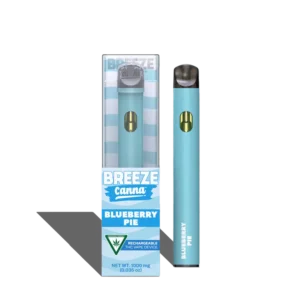
In products labeled with flavor names like “Blueberry Pie,” the flavor is typically created by a blend of cannabis-derived and botanical terpenes designed to mimic that aroma profile.
It is important to understand that these flavors do not come from actual food ingredients but from aromatic plant compounds.
Cannabis Cultivars and Flavor Origins
Flavor profiles in vape cartridges often originate from specific cannabis cultivars (strains) bred for terpene expression and aroma complexity.
Breeders use:
Selective breeding
Selective breeding allows cultivators to enhance traits such as:
- Fruity aroma profiles
- Resin production
- Cannabinoid yield
- Growth stability
- Color and plant structure
Over time, certain cultivars become known for specific aromatic signatures that are later translated into vape formulations.
The Role of Phenotypes
Even within the same cannabis cultivar, different plants may express different traits.
Phenotype
Phenotype variation can affect:
- Aroma intensity
- Resin production
- Cannabinoid levels
- Terpene composition
This is one reason why vape cartridges may vary in flavor or potency even when they are labeled similarly.
Vape Cartridge Hardware and Function
A vape cartridge is a small container designed to hold cannabis oil and connect to a battery-powered vaporizer.
Basic components include:
- Glass or plastic reservoir
- Heating coil (atomizer)
- Mouthpiece
- Oil chamber
When activated, the battery powers the heating coil, which warms the cannabis oil until it vaporizes.
This process avoids combustion and instead creates an inhalable aerosol.
Temperature and Vaporization Science
Temperature control is critical in vape technology.
If temperature is:
- Too low → weak vapor production
- Optimal → smooth vapor and balanced flavor
- Too high → degradation of cannabinoids and terpenes
Different compounds vaporize at different temperatures, which is why precise heating improves consistency and user experience in regulated devices.
Full-Spectrum vs Distillate Oil
THC vape cartridges may use different types of oil:
Distillate
Highly refined oil that contains mostly THC with minimal flavor compounds unless terpenes are added afterward.
Live Resin
Made from fresh-frozen cannabis plants to preserve natural terpene profiles.
Full-Spectrum Oil
Contains a broader range of cannabinoids and plant compounds.
Each type affects flavor, aroma, and chemical complexity.
The Entourage Effect
A widely discussed concept in cannabis science is the “entourage effect.”
Entourage effect
This theory suggests that cannabinoids and terpenes may interact synergistically, influencing the overall experience of cannabis compounds.
While research is ongoing, it is an important framework used to understand how cannabis chemistry works as a system rather than isolated compounds.
Quality Control and Lab Testing
In regulated markets, vape cartridges undergo laboratory testing to ensure safety and consistency.
Testing may include:
- Cannabinoid potency analysis
- Terpene profiling
- Residual solvent testing
- Heavy metal screening
- Pesticide detection
These tests help ensure that products meet safety standards before reaching consumers.
Storage and Stability
Cannabis oil is sensitive to environmental conditions. Improper storage can degrade quality.
Key factors include:
- Heat exposure
- Light exposure
- Oxygen exposure
- Time
Proper storage typically involves cool, dark environments to preserve chemical stability and flavor integrity.
Health and Safety Considerations
While vape cartridges are widely used in regulated markets, safety depends heavily on manufacturing standards.
Potential risks in unregulated products include:
- Unknown additives
- Inconsistent potency
- Poor-quality hardware
- Contaminants
This is why regulated testing and compliance are important in legal cannabis systems.
Legal Considerations
Cannabis laws vary widely across regions. In some areas, THC vape cartridges are legal for adult use or medical programs, while in others they are restricted or prohibited.
Regulatory systems often require:
- Licensing
- Product testing
- Packaging standards
- Age restrictions
- Labeling requirements
Understanding local laws is essential before purchasing or using cannabis products.
Conclusion
THC vape cartridges represent a modern cannabis consumption method that combines plant genetics, extraction science, terpene formulation, and vaporization technology. While flavor names like “Blueberry Pie” describe aromatic profiles, the actual product is a carefully engineered cannabis oil designed for controlled vapor delivery.
Understanding these products requires knowledge of cannabinoids, terpenes, phenotypes, extraction processes, and device engineering. Together, these elements form the foundation of how cannabis vape technology is developed and regulated in modern markets.
Be the first to review “Breeze Canna Blueberry Pie THC Vape Cart”
Related products
Reviews
There are no reviews yet.