
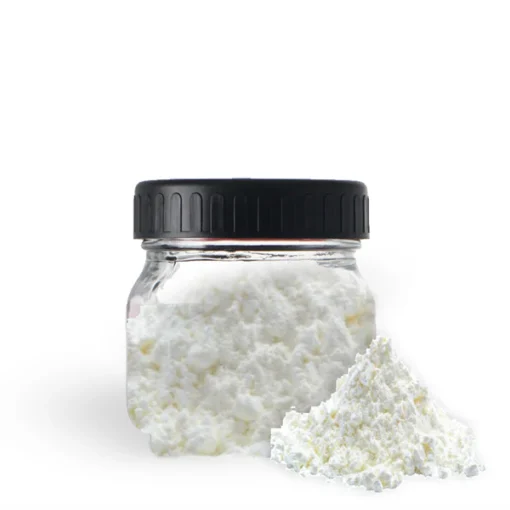
CBD Isolate Crystals – Understanding Pure THC-Free Cannabidiol
CBD Isolate Crystals represent one of the purest forms of cannabidiol (CBD) available in the hemp-derived wellness market. Unlike full-spectrum or broad-spectrum hemp extracts, CBD isolate is refined to contain only cannabidiol, with other naturally occurring plant compounds removed during processing. The result is a crystalline powder or crystal-like substance that is typically marketed as containing very high levels of CBD while remaining free from tetrahydrocannabinol (THC).
As interest in hemp-derived products continues to grow, consumers are increasingly seeking educational information about different CBD formats. Understanding what CBD isolate is, how it is produced, how it differs from other hemp extracts, and the importance of quality testing can help individuals make informed decisions when evaluating hemp-derived wellness products.
This guide explores CBD isolate crystals from an educational perspective, focusing on manufacturing processes, quality standards, consumer awareness, and industry trends.
What Is Cannabidiol (CBD)?
Cannabidiol, commonly known as CBD, is one of many naturally occurring compounds found in hemp and cannabis plants.
Cannabidiol
CBD belongs to a group of plant compounds known as cannabinoids. Researchers have identified more than one hundred cannabinoids within cannabis plants, although their concentrations can vary significantly depending on plant genetics and cultivation methods.
CBD has become one of the most recognized cannabinoids because it does not produce the intoxicating effects commonly associated with THC.
What Is CBD Isolate?
CBD isolate is a highly refined form of cannabidiol that has been separated from other compounds found in the hemp plant.
During processing, manufacturers remove:
- Plant waxes
- Chlorophyll
- Terpenes
- Flavonoids
- Other cannabinoids
- Trace plant materials
The final result is a purified CBD product that often appears as:
- Fine white powder
- Crystal granules
- Small crystalline structures
Because of this extensive refinement process, CBD isolate is often described as one of the purest cannabinoid ingredients available.
Understanding THC-Free Products
One of the primary reasons consumers choose CBD isolate is the absence of THC.
THC, or tetrahydrocannabinol, is the cannabinoid primarily associated with intoxicating effects.
Tetrahydrocannabinol
CBD isolate products are commonly marketed as THC-free because manufacturers remove detectable THC during purification.
This distinction makes CBD isolate different from:
Full-Spectrum Hemp Extract
Full-spectrum products contain a range of cannabinoids and plant compounds, including trace amounts of THC where legally permitted.
Broad-Spectrum Hemp Extract
Broad-spectrum products contain multiple cannabinoids and plant compounds but are processed to remove THC.
CBD Isolate
CBD isolate focuses exclusively on purified cannabidiol.
How CBD Isolate Is Produced
The production of CBD isolate involves several stages of refinement.
Step 1: Hemp Cultivation
The process begins with hemp plants grown according to agricultural standards.
Farmers often focus on:
- Plant genetics
- Soil quality
- Climate conditions
- Harvest timing
These factors influence the quality of the raw material.
Step 2: Initial Extraction
Manufacturers extract cannabinoids and other compounds from harvested hemp.
The initial extract typically contains:
- CBD
- Minor cannabinoids
- Terpenes
- Plant oils
- Waxes
Step 3: Winterization
Winterization is used to remove unwanted waxes and fats from the extract.
This step helps improve purity and clarity.
Step 4: Distillation
Further refinement concentrates desired compounds while removing additional impurities.
Step 5: Isolation
Specialized purification methods isolate cannabidiol from other plant compounds.
The result is highly purified CBD in crystalline form.
Why Consumers Choose CBD Isolate
Several factors contribute to the popularity of CBD isolate.
Purity
Many consumers appreciate products containing a single primary ingredient.
THC-Free Formulation
Individuals seeking CBD without detectable THC often prefer isolate products.
Versatility
CBD isolate can be incorporated into various product formats.
Ingredient Transparency
The simplified composition may appeal to consumers who prefer fewer plant compounds in their products.
Importance of Third-Party Testing
Testing is one of the most important considerations when evaluating hemp-derived products.
Independent laboratory testing may verify:
- CBD content
- THC levels
- Product purity
- Heavy metals
- Pesticides
- Residual solvents
- Microbial contaminants
Third-party testing helps support transparency and consumer confidence.
Many reputable manufacturers provide Certificates of Analysis (COAs) that summarize laboratory results.
Reading Product Labels
Understanding product labels is an important part of consumer education.
Labels may include:
- CBD content
- Ingredient lists
- Manufacturer information
- Batch numbers
- Expiration dates
- Testing references
Consumers should review labels carefully and verify information whenever possible.
Clear labeling supports informed purchasing decisions.
Quality Considerations
Not all CBD products are manufactured to the same standards.
Factors that may influence product quality include:
Hemp Sourcing
Quality often begins with responsibly cultivated hemp.
Manufacturing Practices
Professional manufacturing environments help maintain consistency.
Testing Standards
Comprehensive testing programs improve transparency.
Traceability
Supply-chain documentation helps verify product origins.
Consumers increasingly look for these indicators when evaluating products.
Regulatory Environment
CBD regulations vary significantly between countries and regions.
Some jurisdictions:
- Permit hemp-derived CBD products
- Restrict certain product categories
- Require testing and labeling compliance
- Limit marketing claims
Because regulations continue to evolve, consumers should always review local laws before purchasing or using CBD products.
Manufacturers must also adapt to changing regulatory requirements.
Consumer Awareness and Education
Education plays an important role in the CBD industry.
Consumers benefit from understanding:
- Product terminology
- Manufacturing processes
- Testing standards
- Label interpretation
- Regulatory requirements
Knowledge helps individuals distinguish between verified information and marketing claims.
Marketing Versus Scientific Evidence
The CBD industry includes a wide range of marketing messages.
Consumers may encounter terms such as:
- Premium
- Ultra-pure
- Pharmaceutical grade
- Maximum strength
- Superior quality
While these phrases can attract attention, consumers should focus on objective indicators such as:
- Third-party testing
- Manufacturing transparency
- Regulatory compliance
- Ingredient verification
Evidence-based evaluation is often more informative than promotional language.
Industry Trends
The hemp-derived wellness market continues to evolve.
Current trends include:
Increased Transparency
Manufacturers increasingly provide detailed testing information.
Enhanced Quality Standards
Many companies are improving production and documentation practices.
Consumer Education
Educational resources are becoming more widely available.
Product Innovation
Companies continue exploring new delivery formats and formulations.
These trends reflect growing consumer demand for accountability and quality.
The Future of CBD Isolate
CBD isolate is likely to remain an important category within the broader hemp market.
Future developments may include:
- Improved purification technologies
- Enhanced testing procedures
- Greater supply-chain transparency
- Expanded regulatory clarity
- Continued consumer education
As the industry matures, quality assurance and transparency will likely remain central priorities.
Conclusion
CBD Isolate Crystals are a highly purified form of cannabidiol designed to provide CBD without detectable THC. Through extensive refinement and purification processes, manufacturers isolate cannabidiol from other hemp plant compounds, creating a product known for its purity and simplicity.
Understanding how CBD isolate is produced, the importance of laboratory testing, the role of regulatory compliance, and the value of transparent labeling can help consumers navigate the rapidly growing hemp-derived wellness market. As interest in CBD continues to expand, informed decision-making and evidence-based evaluation remain essential tools for understanding this unique product category.
Be the first to review “CBD Isolate Crystals– Pure THC-Free Cannabidiol”
Related products
concentrates
concentrates

concentrates
concentrates
concentrates
concentrates
concentrates
concentrates
1 review for CBD Isolate Crystals– Pure THC-Free Cannabidiol
There are no reviews yet.