

Lemon Trainwreck Crumble – Educational Guide to Cannabis Concentrates
“Lemon Trainwreck Crumble” is a name commonly used in cannabis culture to describe a type of cannabis concentrate associated with a strain name (“Lemon Trainwreck”) and a texture category known as crumble. In regulated cannabis markets, this type of product falls under the broader classification of cannabis extracts or concentrates.
It is important to understand that names like this are not standardized scientific definitions. Instead, they are combinations of strain branding, texture descriptions, and marketing language used within cannabis industries.
This article provides an educational explanation of what crumble is, how concentrates are made, what strain names mean, and the safety, legal, and consumer awareness factors involved.
What Is Cannabis Crumble?
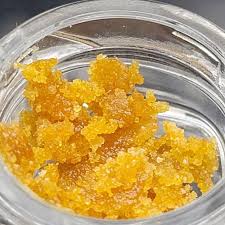
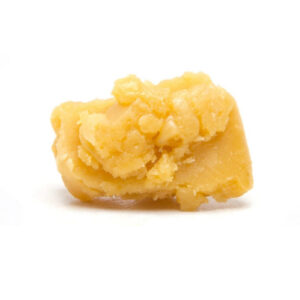
Cannabis crumble is a type of concentrated cannabis extract known for its dry, brittle, and porous texture. Unlike sticky oils or creamy waxes, crumble is easy to break apart into small pieces, which is why it is called “crumble.”
Typical characteristics of crumble include:
- Dry, honeycomb-like structure
- Light yellow to golden color
- Easy-to-break consistency
- High concentration of extracted plant compounds
- Less sticky compared to wax or budder
The texture is created during processing and depends heavily on moisture content, temperature, and refinement techniques used during production.
Understanding “Lemon Trainwreck”
The term Lemon Trainwreck refers to a cannabis strain name commonly used in cannabis culture and marketing.
Lemon Trainwreck
Strain names like Lemon Trainwreck are used to identify genetic lineages or hybrid combinations of cannabis plants. However, in modern cannabis markets, strain naming is not strictly standardized.
This means:
- Different growers may use the same name for slightly different genetics
- Strain names may be influenced by marketing rather than strict taxonomy
- Effects and chemical profiles can vary between producers
In general discussions, Trainwreck-related strains are often described as having a hybrid genetic background, but modern cannabis science emphasizes that cannabinoid and terpene profiles matter more than strain labels alone.
What Does “Crumble” Mean?
The term “crumble” refers specifically to the texture of the cannabis concentrate, not its strain or chemical profile.
Crumble is created when cannabis extracts are processed in a way that removes moisture and produces a dry, porous structure. This texture makes it different from other concentrates such as:
- Wax (soft and sticky)
- Budder (creamy and smooth)
- Shatter (glass-like and brittle)
- Live resin (aromatic and terpene-rich oil)
- Rosin (solventless extract)
Each of these forms reflects differences in manufacturing methods rather than fundamentally different plant materials.
How Cannabis Crumble Is Made (General Overview)
Cannabis concentrates like crumble are produced through extraction and refinement processes that isolate compounds from plant material.
1. Selection of Plant Material
Production begins with cannabis flower or trim. The quality of the starting plant material significantly affects the final extract.
2. Extraction
Manufacturers use controlled methods to separate cannabinoids and other compounds from the plant. These processes are typically done in regulated environments with safety procedures in place.
3. Filtration
The raw extract is filtered to remove unwanted plant materials such as waxes, fats, and chlorophyll.
4. Purging and Refinement
The extract undergoes refinement to remove residual substances and improve consistency.
5. Texture Formation
Crumble texture is created when the extract is dried or processed under specific conditions that reduce moisture content and form a porous structure.
6. Packaging
The final product is sealed in containers designed to protect it from air, heat, and light exposure.
Why Concentrates Like Crumble Exist
Cannabis concentrates were developed as part of the evolution of cannabis product innovation.
Key reasons include:
1. Product Variety
Consumers often seek alternatives to traditional cannabis flower.
2. Technological Advancement
Modern extraction technology allows for more refined products.
3. Efficiency
Concentrates contain a higher concentration of extracted compounds compared to raw plant material.
4. Market Demand
Legal cannabis markets have expanded demand for different product formats.
Understanding Cannabis Strain Names
Strain names such as Lemon Trainwreck are part of cannabis culture but are not scientifically standardized.
Important points include:
- Strain names are often used for branding
- Genetic consistency is not guaranteed across producers
- Chemical composition (cannabinoids and terpenes) varies widely
- Effects are influenced by chemistry, not just naming
Modern cannabis science focuses more on chemical profiles than strain labels when evaluating plant characteristics.
Importance of Testing and Quality Control
In regulated cannabis markets, laboratory testing is a key safety requirement.
Testing may include analysis of:
- Cannabinoid levels (THC, CBD, etc.)
- Residual solvents
- Pesticides
- Heavy metals
- Microbial contamination
These tests help ensure that products meet regulatory safety standards and provide transparency to consumers.
Without testing, product quality and safety cannot be reliably verified.
Labeling and Transparency
Proper labeling is essential in regulated cannabis systems.
Labels may include:
- Product name
- Strain designation
- Batch number
- Manufacturer details
- Cannabinoid content
- Testing results
- Safety warnings
Accurate labeling helps consumers understand product origin and composition.
However, in unregulated markets, labeling may be inconsistent or incomplete.
Packaging and Storage Considerations
Cannabis concentrates like crumble are sensitive to environmental conditions.
Key factors that affect stability include:
- Heat exposure
- Light exposure
- Air oxidation
- Moisture contamination
Proper packaging helps preserve consistency and reduce degradation over time.
Storage conditions can significantly affect texture and appearance.
Consumer Awareness and Education
Understanding cannabis concentrates requires awareness of several important factors:
1. Strain Names Are Not Standardized
Names like Lemon Trainwreck may differ between producers.
2. Marketing Language Is Not Scientific
Terms such as “premium,” “strong,” or “high-quality” are not regulated classifications.
3. Product Variation Exists
Even products with the same name may differ in composition and quality.
4. Regulation Matters
Legal cannabis markets typically have stricter testing and labeling requirements than unregulated markets.
Legal Considerations
Cannabis laws vary widely depending on region.
In different jurisdictions, cannabis may be:
- Legal for adult recreational use
- Restricted to medical use only
- Controlled or regulated
- Completely illegal
Because of this variation, legality depends entirely on local law.
Consumers should always verify regulations in their area before engaging with cannabis-related products.
Industry Trends
The cannabis concentrate industry continues to evolve rapidly.
Key trends include:
- Improved extraction technology
- Increased regulatory oversight
- Better testing standards
- Expansion of concentrate categories
- Greater transparency in labeling
As the industry matures, safety and consistency are becoming central priorities.
The Importance of Education
Consumer education plays a critical role in understanding cannabis products.
Educated consumers are better able to:
- Interpret product labels
- Understand strain naming limitations
- Recognize marketing language
- Evaluate testing information
- Navigate legal frameworks
Education helps bridge the gap between marketing claims and scientific reality.
Conclusion
Lemon Trainwreck Crumble refers to a cannabis concentrate associated with a strain name and a specific texture category. While widely used in cannabis culture, these terms are not standardized scientific definitions.
Crumble is a dry, brittle cannabis extract created through controlled extraction and refinement processes. Understanding this product category requires awareness of manufacturing methods, strain naming conventions, testing standards, labeling practices, and regulatory differences.
As cannabis industries continue to develop, transparency, safety, and education remain essential for helping consumers understand concentrate products responsibly.
Be the first to review “Lemon Trainwreck Crumble”
Related products

concentrates
concentrates

concentrates
concentrates

concentrates

concentrates
concentrates
2 reviews for Lemon Trainwreck Crumble
There are no reviews yet.