
Sour Diesel Shatter – Educational Guide to Sativa Cannabis Concentrates
Cannabis concentrates are highly refined products made by extracting active compounds from the cannabis plant. One of the most well-known concentrate types is shatter, a brittle, glass-like extract that contains concentrated cannabinoids and terpenes.
When paired with a strain name like Sour Diesel, the term “Sour Diesel Shatter” refers to a cannabis extract made using plant material associated with that genetic line and processed into shatter form. The phrase “potent sativa extract” is a common marketing description used in cannabis culture to suggest energizing or uplifting effects, although these classifications are not scientifically precise.
To understand this properly, it is important to break it down into four core elements:
- What cannabis shatter is
- What Sour Diesel refers to
- What “sativa” means in modern cannabis science
- How concentrates are produced and evaluated
What Is Cannabis Shatter?
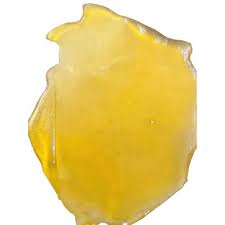
Shatter is a type of cannabis concentrate known for its hard, brittle, glass-like structure.
Cannabis shatter
It is part of a broader family of cannabis extracts that includes wax, budder, crumble, resin, and distillate.
Key characteristics of shatter:
- Transparent or amber appearance
- Hard, glass-like texture
- Breaks or “shatters” when handled
- High concentration of cannabinoids
- Sensitive to heat and light
The term “shatter” describes physical consistency, not potency or quality. Different processing conditions can produce variations even from similar plant sources.
What Is Sour Diesel?
Sour Diesel is a widely recognized cannabis strain in global cannabis culture.
Sour Diesel
It is often described as a fast-acting, pungent-smelling strain that has played a major role in modern cannabis breeding. However, like many strain names, its exact genetic origin is not universally agreed upon.
In cannabis culture, Sour Diesel is commonly associated with:
- Strong aromatic profile (fuel-like, citrus, earthy notes)
- Hybrid genetics with sativa dominance
- Popularity in breeding programs
- Fast-acting reputation in informal descriptions
It is important to understand that strain names like Sour Diesel are not scientifically standardized classifications, and different growers may produce slightly different chemical profiles under the same name.
What Does “Sativa” Mean Today?
The term “sativa” is traditionally used to describe cannabis plants associated with certain physical traits and perceived effects.
Cannabis sativa
Historically, cannabis was divided into three categories:
- Indica
- Sativa
- Ruderalis
Modern cannabis science shows that this classification system is overly simplified. Most modern cannabis strains are hybrids, and effects depend more on chemical composition than plant category.
In modern understanding:
- “Sativa” is often a cultural label
- Effects are influenced by cannabinoids and terpenes
- Genetics are complex and blended
- Human response varies widely
Despite this, “sativa” remains widely used in cannabis marketing to describe strains associated with energizing or uplifting experiences.
What Is THC Concentrate?
Shatter is a concentrated form of cannabis containing high levels of tetrahydrocannabinol (THC), the main psychoactive compound in cannabis.
Tetrahydrocannabinol
THC interacts with the brain’s endocannabinoid system, influencing perception, mood, and cognition.
However, cannabis concentrates are not purely THC. They also contain:
- Other cannabinoids (CBD, CBG, CBN, etc.)
- Terpenes (aromatic compounds)
- Trace plant compounds depending on refinement
Modern cannabis science focuses on full chemical profiles rather than single-compound labeling.
How Shatter Is Made (General Process)
Shatter production involves controlled extraction and refinement methods used in regulated cannabis manufacturing environments.
1. Selection of Plant Material
Cannabis flower or trim associated with Sour Diesel genetics is selected.
2. Extraction
Cannabinoids and terpenes are extracted from plant material using industrial methods designed to separate active compounds from plant matter.
3. Separation
The extract is separated from plant material, producing a crude cannabis oil.
4. Refinement
The crude extract is purified to remove unwanted substances such as waxes, lipids, and plant impurities.
5. Purging
Any remaining extraction substances are removed under controlled temperature and pressure conditions.
6. Formation of Shatter
The refined extract is cooled into a solid, glass-like structure.
7. Packaging
The final product is sealed in airtight containers to protect it from heat, air, and light.
Why Shatter Is Popular in Cannabis Markets
Shatter is widely used in cannabis markets for several reasons:
1. High Concentration
It contains concentrated cannabinoids compared to raw flower.
2. Stable Form
When stored correctly, it maintains a solid, stable structure.
3. Standardized Production
It can be consistently produced in regulated environments.
4. Product Variety
It offers an alternative to other concentrate types like wax or resin.
Chemical Composition of Sour Diesel Shatter
Shatter derived from Sour Diesel-type material may contain:
- THC (primary psychoactive cannabinoid)
- Minor cannabinoids (CBD, CBG, CBN, etc.)
- Terpenes responsible for aroma and flavor
- Trace plant compounds depending on refinement level
The exact chemical profile depends on:
- Genetics of the plant material
- Extraction method
- Refinement process
- Storage conditions
Modern cannabis science emphasizes chemical composition over strain names when analyzing concentrates.
Wax vs Shatter (Texture Differences)
Shatter is often compared to other concentrates:
Shatter
- Hard and brittle
- Glass-like appearance
- Breaks when handled
Wax
- Soft and sticky
- Opaque
- More malleable
These differences are caused by processing conditions rather than differences in cannabinoid content.
Quality Control and Testing
In regulated cannabis systems, concentrates undergo laboratory testing to ensure safety and consistency.
Testing may include:
- Cannabinoid potency analysis
- Residual solvent screening
- Pesticide detection
- Heavy metal testing
- Microbial contamination checks
A Certificate of Analysis (COA) is often provided in legal markets to verify results.
Storage and Stability
Shatter is sensitive to environmental conditions.
Key factors affecting stability include:
- Heat exposure (can soften or deform structure)
- Light exposure (can degrade cannabinoids)
- Oxygen exposure (can cause oxidation)
- Improper sealing (reduces freshness)
Proper storage helps preserve both chemical integrity and physical structure.
Misconceptions About Strains and Effects
Several common misunderstandings exist:
1. “Sativa means energizing effects”
Effects are determined by chemical profile, not category.
2. “Strain names are standardized”
Names like Sour Diesel are not globally regulated genetic identifiers.
3. “Shatter is always stronger”
Potency depends on composition and testing, not texture.
4. “All concentrates are the same”
Different extraction methods produce different chemical outcomes.
Legal Considerations
Cannabis laws vary widely by country and region.
Depending on location, cannabis concentrates may be:
- Legal for adult recreational use
- Restricted to medical use
- Strictly regulated
- Fully illegal
Legal status depends entirely on local laws and enforcement.
Industry Trends
The cannabis concentrate industry continues to evolve with several key trends:
- Improved extraction technology
- More detailed lab testing standards
- Greater transparency in labeling
- Expansion of concentrate product categories
- Increased consumer education about cannabinoids and terpenes
These trends reflect a shift toward regulated, science-based cannabis markets.
Conclusion
Sour Diesel Shatter refers to a cannabis concentrate made in shatter form using plant material associated with Sour Diesel genetics and commonly labeled as sativa-leaning. While widely used in cannabis culture, these terms are not scientifically standardized classifications.
Understanding this product requires knowledge of cannabis extraction methods, plant genetics, chemical composition, testing standards, and legal frameworks. As the cannabis industry continues to develop, accurate education and transparency remain essential for interpreting concentrates responsibly.
Be the first to review “Sour Diesel Shatter For Sale – Potent Sativa Extract”
Related products
concentrates
concentrates
concentrates
concentrates
concentrates
concentrates
concentrates
2 reviews for Sour Diesel Shatter For Sale – Potent Sativa Extract
There are no reviews yet.