
Blackberry Kush Cannabis Cartridges: Genetics, Concentrates, Terpenes, and Vape Technology (Educational Guide)
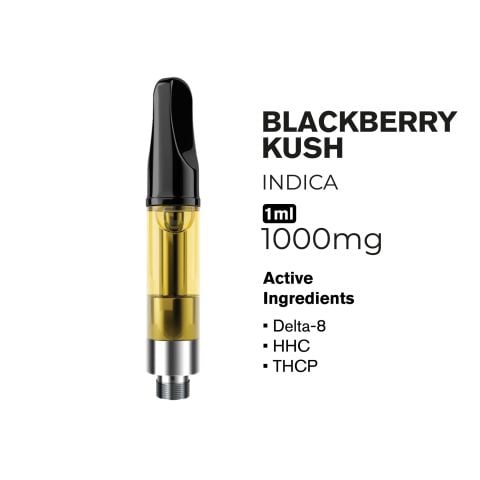
Cannabis vape cartridges are one of the most common modern delivery systems used in regulated cannabis markets. A product described as a “Blackberry Kush Cartridge” typically refers to a vape cartridge filled with cannabis oil that has been extracted from a cultivar known as Blackberry Kush.
However, it is important to understand that a cartridge is not a plant itself—it is a processed cannabis concentrate product. The characteristics of the oil inside depend on extraction methods, plant genetics, refinement processes, and terpene formulation.
To fully understand this type of product, it is necessary to break it down into four main components:
- Cannabis genetics (Blackberry Kush lineage)
- Extraction and concentrate production
- Terpenes and chemical composition
- Vape cartridge hardware and vaporization science
Cannabis Genetics: What “Blackberry Kush” Refers To
Blackberry Kush is a hybrid cannabis cultivar known for its dark, fruity aromatic profile and indica-dominant characteristics. Like many modern strains, it is the result of selective breeding programs designed to enhance specific traits.
Selective breeding
Selective breeding in cannabis focuses on traits such as:
- Aroma and terpene expression
- Resin production
- Plant structure
- Cannabinoid content
- Growth stability
- Environmental resilience
Blackberry Kush is generally associated with indica-leaning genetics, which often produce shorter, bushier plants with dense flower formation. However, it is important to note that cannabis genetics are complex and can express differently depending on cultivation conditions.
Phenotype Variation in Cannabis Plants
Even within a single cultivar like Blackberry Kush, plants can vary in appearance and chemical profile due to environmental influences.
Phenotype
Phenotype differences may include:
- Flower density
- Color variation (including purple or dark hues)
- Resin production levels
- Aroma intensity
- Growth structure
These differences are significant because vape cartridges are often made from batches of plant material that may not be identical in expression.
Cannabinoids in Vape Cartridges
Cannabis vape cartridges contain concentrated forms of cannabinoids extracted from plant material.
The most common cannabinoids include:
THC
Tetrahydrocannabinol
THC is the primary psychoactive compound in most cannabis concentrates. It interacts with the brain’s endocannabinoid system and influences perception, mood, and cognition.
CBD
Cannabidiol
CBD is a non-intoxicating cannabinoid that is often present in smaller amounts depending on the extraction source.
Minor Cannabinoids
Other compounds may include:
- CBG (cannabigerol)
- CBC (cannabichromene)
- CBN (cannabinol)
These compounds contribute to the chemical diversity of cannabis extracts.
What Is a Cannabis Vape Cartridge?
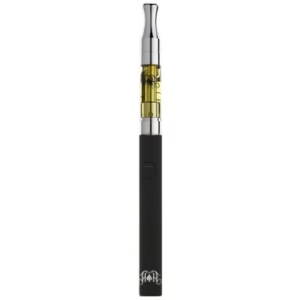
A vape cartridge is a small container pre-filled with cannabis oil designed to be attached to a vaporizing battery device.
The basic components include:
- A glass or plastic tank
- A heating coil (atomizer)
- A mouthpiece
- Cannabis oil (distillate, live resin, or blended extract)
When activated, the battery heats the coil, which vaporizes the oil into an inhalable aerosol.
Cannabis Extraction Methods
The oil inside a cartridge is not simply pressed from the plant—it is created through extraction processes that separate cannabinoids and terpenes from plant material.
Common extraction methods include:
CO₂ Extraction
Uses pressurized carbon dioxide to extract cannabinoids and terpenes efficiently.
Hydrocarbon Extraction
Uses solvents such as butane or propane to produce highly aromatic concentrates.
Ethanol Extraction
Uses alcohol-based solvents to extract a wide range of plant compounds.
Each method affects:
- Flavor profile
- Potency
- Purity
- Terpene retention
Cannabis Concentrates Used in Cartridges
Cartridges may contain different types of cannabis oil:
Distillate
Highly refined oil with elevated THC content but reduced terpene complexity.
Live Resin
Extracted from fresh-frozen plants to preserve terpene profiles.
Full-Spectrum Oil
Contains a wider range of cannabinoids and plant compounds.
Each type produces different sensory and chemical characteristics in vapor form.
Terpenes and Aroma Science
One of the most important components of Blackberry Kush–derived products is terpene content.
Terpene
Terpenes are aromatic molecules found in many plants, including fruits, herbs, and cannabis.
They contribute to scent profiles such as:
- Fruity
- Earthy
- Floral
- Pine-like
- Sweet or berry-like notes
In cultivars like Blackberry Kush, terpene profiles often include combinations that produce berry-like and herbal aromas.
Common terpenes in cannabis include:
- Myrcene (earthy, musky)
- Limonene (citrus-like)
- Pinene (pine aroma)
- Linalool (floral scent)
Terpenes do not only affect smell—they also influence how cannabis products are experienced at a sensory level.
The Entourage Effect
Cannabis compounds may interact in ways that influence overall effects.
Entourage effect
The entourage effect refers to the theory that cannabinoids and terpenes work together synergistically rather than independently.
This means that:
- THC alone produces certain effects
- Terpenes may modify sensory perception
- Other cannabinoids contribute to complexity
This concept is widely discussed in cannabis science, although research is still ongoing.
Vape Technology and Heating Science
Vape cartridges rely on controlled heating to vaporize cannabis oil without combustion.
The key principle is phase transition, where liquid oil is turned into vapor through heat.
Important factors include:
- Coil resistance
- Battery voltage
- Oil viscosity
- Cartridge airflow design
If temperature is too low, vapor production is weak. If too high, compounds may degrade or produce harsh vapor.
Advantages and Limitations of Cartridges
Cannabis cartridges are popular in regulated markets because they are:
Advantages
- Portable
- Discreet
- Pre-measured
- Easy to use
- Consistent in dosage (when properly manufactured)
Limitations
- Sensitive to heat and storage conditions
- Quality varies depending on extraction method
- Some formulations may lose terpene complexity
- Hardware issues can affect performance
Quality and Lab Testing
In regulated markets, cannabis cartridges undergo laboratory testing.
Testing may include:
- Cannabinoid potency analysis
- Terpene profiling
- Residual solvent screening
- Heavy metal testing
- Pesticide detection
These tests ensure safety standards and product consistency.
Storage and Stability
Cannabis vape oil can degrade if improperly stored.
Factors that affect stability include:
- Heat exposure
- Light exposure
- Air oxidation
- Time
Proper storage typically involves cool, dark conditions to preserve chemical integrity.
Legal Considerations
Cannabis products, including vape cartridges, are regulated differently depending on jurisdiction.
In some regions, they are:
- Fully legal for adult use
- Restricted to medical programs
- Strictly controlled or prohibited
Legal frameworks often require:
- Licensed production
- Testing compliance
- Packaging regulations
- Age restrictions
Understanding local law is essential before engaging with cannabis products.
Conclusion
A product like a “Blackberry Kush Cartridge” represents the intersection of cannabis genetics, chemical extraction, terpene science, and modern vaporization technology. While the name refers to a cannabis cultivar known for its aromatic and genetic traits, the final cartridge is a processed concentrate shaped by extraction methods, formulation choices, and hardware design.
From cannabinoids like THC to aromatic terpenes and advanced vape systems, these products reflect a complex chain of agricultural science, chemistry, and engineering. Understanding each layer helps clarify what vape cartridges are and how they fit into modern cannabis science.
Be the first to review “Blackberry Kush Cartridge 1g”
Related products
Reviews
There are no reviews yet.