
Mixed Indica CO₂ Shatter – Educational Guide to Cannabis Concentrates
CO₂ shatter is a type of cannabis concentrate produced using carbon dioxide-based extraction methods. The term “Mixed Indica CO₂ Shatter” combines several concepts commonly used in cannabis markets: a concentrate texture (“shatter”), an extraction method (CO₂ extraction), and a strain classification (“indica” or mixed indica genetics).
It is important to understand that this phrase is not a strict scientific category. Instead, it is a market and labeling term used within cannabis industries to describe a general type of extract and its presumed plant origin.
To understand this product category, it is necessary to break down cannabis shatter, CO₂ extraction technology, strain classification systems, and regulatory considerations.
What Is Cannabis Shatter?
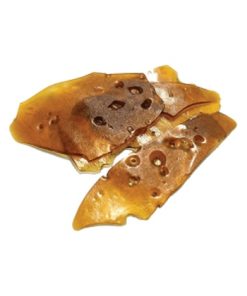
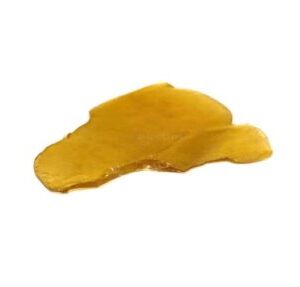
Shatter is a type of cannabis concentrate known for its glass-like, brittle texture. It is one of several extract forms used in regulated cannabis markets.
Cannabis shatter
Shatter typically appears as a translucent amber or golden sheet that breaks easily when handled. The term “shatter” refers to its physical structure rather than its chemical composition or potency.
Common characteristics include:
- Hard, glass-like texture
- Transparent or semi-transparent appearance
- High concentration of extracted plant compounds
- Fragility under heat or pressure
Shatter is part of a broader category of cannabis concentrates, which includes wax, budder, crumble, resin, and oil-based extracts.
What Does “CO₂ Extraction” Mean?
CO₂ extraction refers to a method of using carbon dioxide (CO₂) under controlled pressure and temperature conditions to separate compounds from cannabis plant material.
Supercritical CO2 extraction
In this process, CO₂ is manipulated into a state where it behaves both like a gas and a liquid. This allows it to act as a solvent capable of extracting cannabinoids and other plant compounds.
Why CO₂ Is Used
CO₂ extraction is widely used in regulated industries because it:
- Does not leave toxic solvent residues
- Can be precisely controlled
- Produces consistent results
- Is considered safer than many chemical solvent methods
After extraction, the CO₂ is removed from the final product, leaving behind concentrated plant compounds.
What Is “Indica” in Cannabis Terms?
The term “indica” is commonly used in cannabis culture to describe certain plant types or perceived effects.
Cannabis indica
Historically, cannabis was divided into three main categories:
- Indica
- Sativa
- Ruderalis
However, modern cannabis science suggests that these categories are oversimplified. The effects of cannabis are more accurately linked to:
- Cannabinoid content (THC, CBD, etc.)
- Terpene profiles
- Individual biological response
Despite this, “indica” remains widely used in marketing and consumer labeling.
What Does “Mixed Indica” Mean?
“Mixed indica” typically refers to a product made from multiple indica-leaning cannabis strains or genetics.
This may mean:
- A blend of different indica-dominant plants
- A mixed extraction from several batches
- A formulation intended to represent indica-type profiles
However, in regulated markets, exact strain blending is not always standardized, and labeling may vary between producers.
How CO₂ Shatter Is Made (General Overview)
CO₂ shatter production involves several controlled stages of extraction and refinement.
1. Selection of Plant Material
Cannabis flower or trim is selected based on quality standards and cannabinoid content.
2. CO₂ Extraction
Plant material is processed using supercritical CO₂, which extracts cannabinoids and other compounds.
3. Separation
The extract is separated from plant material and CO₂ is removed from the system.
4. Refinement
The crude extract may be refined to remove unwanted plant compounds such as waxes and lipids.
5. Formation of Shatter Texture
Through controlled cooling and processing, the extract forms a brittle, glass-like structure.
6. Packaging
The final concentrate is packaged in sealed containers to protect it from air, heat, and light.
Why CO₂ Shatter Is Used in Cannabis Markets
CO₂ shatter is part of the broader development of cannabis extraction technology.
Key reasons for its use include:
1. Clean Extraction Method
CO₂ does not require harsh chemical solvents in the same way as some other extraction techniques.
2. Controlled Production
Operators can adjust pressure and temperature to influence results.
3. Consistency
CO₂ systems allow for repeatable and standardized extraction processes.
4. Regulatory Acceptance
In many regulated markets, CO₂ extraction is widely accepted for commercial production.
Understanding Shatter vs Other Concentrates
CO₂ shatter is one of many concentrate types.
Other common forms include:
- Wax (soft and sticky)
- Budder (creamy texture)
- Crumble (dry and brittle)
- Live resin (fresh-frozen extraction)
- Rosin (solventless extraction)
Each type reflects different manufacturing processes and physical outcomes rather than fundamentally different plant sources.
Chemical Composition of CO₂ Shatter
CO₂ shatter contains concentrated plant compounds, primarily:
- Cannabinoids (such as THC and CBD)
- Terpenes (aromatic compounds)
- Minor plant compounds (in varying amounts)
The exact composition depends on:
- Source plant genetics
- Extraction conditions
- Refinement processes
- Storage conditions
Modern cannabis analysis focuses on chemical profiles rather than strain names alone.
Quality Control and Testing
In regulated cannabis systems, concentrates like CO₂ shatter are typically required to undergo laboratory testing.
Testing may evaluate:
- Cannabinoid concentration
- Residual solvents (if applicable)
- Pesticide contamination
- Heavy metals
- Microbial safety
These tests help ensure compliance with safety regulations and provide transparency for consumers.
A Certificate of Analysis (COA) is commonly used to document test results.
Packaging and Storage Considerations
CO₂ shatter is sensitive to environmental conditions.
Key factors affecting stability include:
- Heat exposure
- Light exposure
- Oxygen exposure
- Improper sealing
If exposed to these conditions, the texture and chemical stability may degrade over time.
Proper packaging helps preserve product integrity in regulated markets.
Consumer Awareness and Misconceptions
Several misconceptions exist around cannabis concentrates:
1. “Strain names guarantee effects”
Strain labels like “indica” do not reliably predict chemical composition.
2. “All shatter is the same”
Production methods and quality standards vary significantly.
3. “CO₂ means safer or stronger”
CO₂ extraction is a method, not a measure of potency or safety alone.
4. “Mixed indica is standardized”
Blends are not universally defined across the industry.
Legal Considerations
Cannabis laws vary widely by region.
Depending on location, cannabis concentrates may be:
- Fully legal for adult use
- Legal for medical use only
- Restricted or regulated
- Completely illegal
Because of this variation, legality depends entirely on local law.
Consumers should always check applicable regulations before engaging with cannabis-related products.
Industry Trends
The cannabis concentrate market continues to evolve rapidly.
Key trends include:
- Increased use of CO₂ extraction technology
- Improved testing and regulatory oversight
- More transparent labeling practices
- Expansion of concentrate product categories
- Growing consumer education efforts
These developments reflect a maturing industry focused on safety and consistency.
Conclusion
Mixed Indica CO₂ Shatter refers to a cannabis concentrate made using carbon dioxide extraction methods and associated with indica-leaning cannabis genetics. While widely used in cannabis marketing and labeling, these terms are not strictly standardized scientific classifications.
Understanding CO₂ shatter requires knowledge of extraction technology, cannabis plant classification systems, chemical composition, testing requirements, and legal frameworks. As the cannabis industry continues to evolve, transparency and education remain essential for interpreting concentrate products responsibly.
Be the first to review “Mixed Indica Co2 Shatter”
Related products

concentrates
concentrates
concentrates
concentrates
concentrates

concentrates
concentrates
Reviews
There are no reviews yet.