
Violator Kush Shatter – Educational Guide to Cannabis Concentrates
Cannabis concentrates are highly refined products created by extracting active compounds from the cannabis plant. These compounds include cannabinoids and terpenes, which influence the plant’s chemical properties and aroma profile. One of the most recognizable concentrate forms is shatter, a brittle, glass-like extract known for its high concentration of cannabis compounds.
When paired with a strain name like Violator Kush, the term “Violator Kush Shatter” refers to a cannabis concentrate made using plant material associated with that genetic line and processed into a shatter consistency. However, this naming convention is not a standardized scientific classification. It is a combination of strain terminology, extraction method, and market labeling used in cannabis culture and commercial contexts.
To understand it properly, we need to break it down into three parts:
- What cannabis shatter is
- What Violator Kush refers to
- How cannabis concentrates are produced and understood scientifically
What Is Cannabis Shatter?
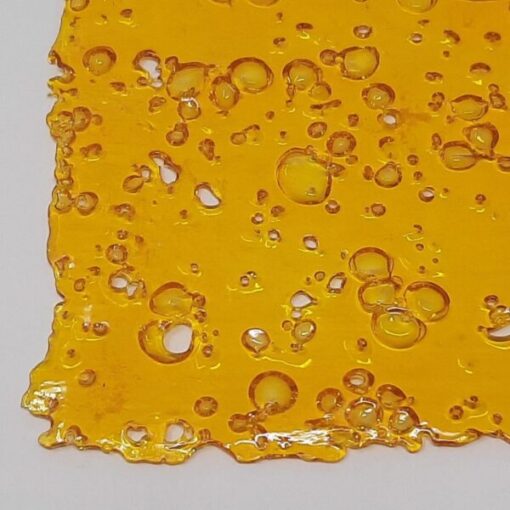
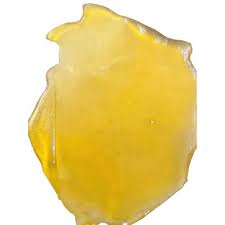
Shatter is a type of cannabis concentrate known for its hard, brittle, glass-like structure.
Cannabis shatter
It is one of several concentrate forms, alongside wax, budder, crumble, live resin, and distillate.
Key characteristics of shatter:
- Transparent or amber appearance
- Hard, glass-like texture
- Breaks or “shatters” when handled
- High concentration of cannabinoids
- Sensitive to heat and light
The term “shatter” describes physical structure rather than chemical quality or potency. Two shatter products can look similar but differ significantly in chemical composition depending on extraction and refinement methods.
What Is Violator Kush?
Violator Kush is a cannabis strain name used within cannabis breeding culture.
Violator Kush
It is generally described as an indica-leaning hybrid strain developed through selective breeding of Kush genetics. Like many strain names in cannabis culture, its exact lineage can vary depending on breeder interpretation.
In cannabis culture, Violator Kush is often associated with:
- Indica-dominant hybrid genetics
- Strong, earthy aroma profiles
- Dense plant structure
- Kush lineage influence
- Use in hybrid breeding programs
However, it is important to understand that strain names like Violator Kush are not scientifically standardized botanical categories. Different cultivators may produce slightly different chemical expressions under the same name.
What Does “Kush” Mean?
The term “Kush” refers to a family of cannabis strains that trace their influence to the Hindu Kush mountain region.
Cannabis indica
In modern cannabis culture, “Kush” is often used to describe strains with:
- Indica-leaning genetics
- Dense flower structure
- Strong aromatic profiles
- Resin-rich plant material
However, modern cannabis genetics are highly hybridized, meaning most “Kush” strains today are blends rather than pure lineage types.
What Is Cannabis Shatter Made From?
Shatter is produced from extracted cannabis plant material, typically flower or trim associated with a strain like Violator Kush.
It contains:
- Cannabinoids (such as THC and CBD)
- Terpenes (aromatic compounds)
- Trace plant compounds depending on refinement level
Tetrahydrocannabinol
The exact composition depends on:
- Genetics of the plant material
- Extraction method used
- Refinement process
- Storage conditions
Modern cannabis science focuses on chemical composition rather than strain names when analyzing concentrates.
How Shatter Is Made (General Process)
Shatter production involves controlled extraction and refinement techniques used in regulated cannabis manufacturing environments.
1. Selection of Plant Material
Cannabis flower or trim associated with Violator Kush genetics is selected for processing.
2. Extraction
Cannabinoids and terpenes are extracted from plant material using industrial methods designed to separate active compounds from plant matter.
3. Crude Extract Formation
The initial extract contains cannabinoids, terpenes, waxes, and plant lipids.
4. Refinement
The extract is purified to remove unwanted substances such as waxes and impurities.
5. Purging
Residual substances from extraction are removed under controlled temperature and pressure conditions.
6. Formation of Shatter
The refined extract is cooled into a hard, glass-like structure.
7. Packaging
The final product is sealed in airtight containers to protect it from heat, air, and light exposure.
Why Shatter Is Used in Cannabis Markets
Shatter became popular as extraction technology advanced and producers sought more refined cannabis products.
1. High Concentration
Shatter contains concentrated cannabis compounds compared to raw plant material.
2. Stable Form
When stored properly, it maintains a relatively stable structure.
3. Production Consistency
It can be produced in controlled environments with repeatable results.
4. Product Diversity
It offers an alternative to wax, resin, and other concentrate forms.
Chemical Composition of Violator Kush Shatter
Shatter derived from Violator Kush genetics may contain:
- THC (primary psychoactive cannabinoid)
- CBD and minor cannabinoids
- Terpenes responsible for aroma and flavor
- Trace plant compounds depending on refinement level
The exact profile depends on:
- Genetic variation
- Extraction technique
- Refinement process
- Storage conditions
It is important to note that strain names do not guarantee consistent chemical profiles across different producers or batches.
Wax vs Shatter (Texture Differences)
Shatter is often compared with other concentrates based on physical structure:
Shatter
- Hard and brittle
- Glass-like appearance
- Breaks easily when handled
Wax
- Soft and sticky
- Opaque appearance
- More malleable consistency
These differences are caused primarily by post-extraction processing conditions, not differences in cannabinoid content.
Quality Control and Testing
In regulated cannabis systems, concentrates undergo laboratory testing to ensure safety and consistency.
Testing may include:
- Cannabinoid potency analysis
- Residual solvent screening
- Pesticide testing
- Heavy metal analysis
- Microbial contamination checks
A Certificate of Analysis (COA) is often provided in legal markets to verify results.
These processes help ensure transparency and consumer safety.
Storage and Stability
Shatter is sensitive to environmental conditions.
Key factors affecting stability include:
- Heat exposure (can soften or deform structure)
- Light exposure (can degrade cannabinoids)
- Oxygen exposure (can cause oxidation)
- Improper sealing (reduces freshness)
Proper storage helps preserve both chemical composition and physical form.
Misconceptions About Strains and Effects
Several common misunderstandings exist in cannabis culture:
1. “Strain names guarantee effects”
Violator Kush does not guarantee specific experiences.
2. “Indica means sedating effects”
Effects depend on chemical composition, not classification alone.
3. “Shatter is always stronger than other forms”
Potency depends on laboratory results, not texture.
4. “All Kush strains are identical”
Kush genetics vary widely depending on breeding and cultivation.
Legal Considerations
Cannabis laws vary significantly across regions.
Depending on location, cannabis concentrates like shatter may be:
- Legal for adult recreational use
- Restricted to medical programs
- Strictly regulated
- Completely illegal
Legal status depends entirely on local laws and enforcement.
Industry Trends
The cannabis concentrate industry continues to evolve with trends such as:
- Improved extraction technologies
- Increased laboratory testing standards
- Greater transparency in labeling
- Expansion of concentrate types and textures
- Growing consumer education about cannabis chemistry
These developments reflect a shift toward regulated, science-based cannabis markets.
Conclusion
Violator Kush Shatter refers to a cannabis concentrate made in shatter form using plant material associated with Violator Kush genetics. While widely used in cannabis culture and marketing, these terms are not scientifically standardized classifications.
Understanding this product requires knowledge of cannabis extraction methods, plant genetics, chemical composition, testing standards, and legal frameworks. As the cannabis industry continues to evolve, education and transparency remain essential for accurately interpreting concentrates in a responsible and informed way.
Be the first to review “Violator Kush Shatter”
Related products
concentrates

concentrates
concentrates
concentrates
concentrates
concentrates
concentrates
Reviews
There are no reviews yet.