

Understanding Cannabis Concentrates: An Educational Overview
Cannabis concentrates have become a significant category within legal cannabis markets in regions where cannabis products are permitted. Terms such as wax, shatter, resin, and concentrate are commonly used in product descriptions, but many consumers are unfamiliar with what these labels actually mean.
This educational guide explains the terminology, production concepts, regulatory considerations, and consumer-awareness issues associated with cannabis concentrates. The goal is to provide general information rather than instructions for use or product recommendations.
What Are Cannabis Concentrates?
Cannabis concentrates are products created by extracting and concentrating certain compounds naturally present in cannabis plants.
Unlike traditional cannabis flower, concentrates are processed products that undergo additional manufacturing steps. The purpose of concentration is to isolate and preserve selected plant compounds while removing much of the original plant material.
In legal and regulated markets, concentrates are subject to varying standards depending on local laws and regulatory frameworks.
Common Types of Concentrates
The concentrate category includes several product types.
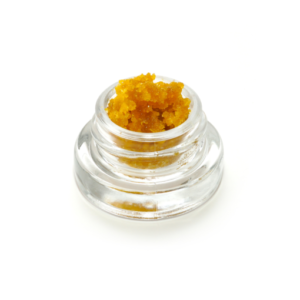
Wax
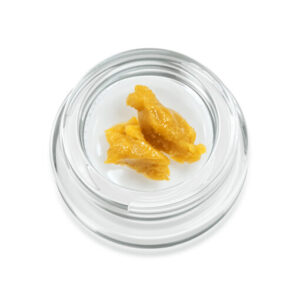
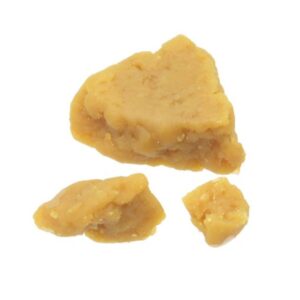
Wax is named for its soft, wax-like texture. The consistency can vary depending on production methods and storage conditions.
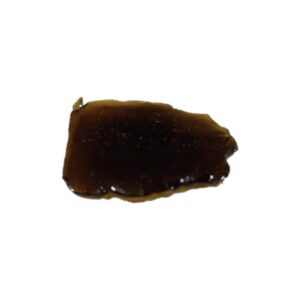
Shatter
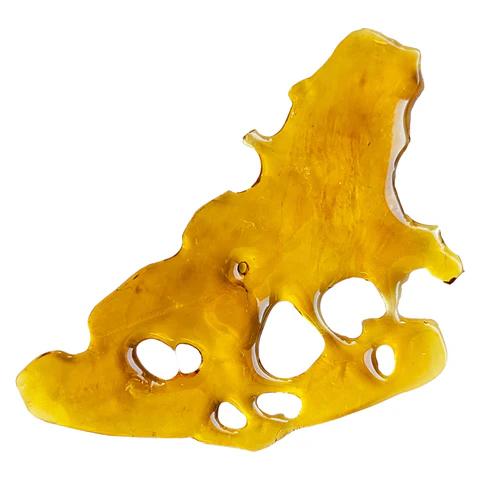
Shatter is known for its glass-like appearance and brittle texture. The name comes from the tendency of the product to break or “shatter” into pieces.
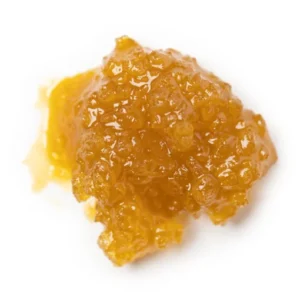
Budder
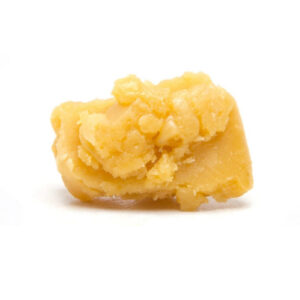
Budder typically has a smoother, creamier consistency compared with wax or shatter.
Live Resin
Live resin is a concentrate category often associated with preserving the aroma and flavor characteristics of the source plant through specialized production methods.
These names primarily describe texture and appearance rather than guaranteeing a specific quality level.
Understanding Strain Names
Many concentrate products are marketed using strain names.
Examples may include:
- Blue Dream
- Blueberry Kush
- OG Kush
- Sour Diesel
- Northern Lights
Blue Dream
Blueberry Kush
These names are used within the cannabis industry to identify products associated with particular genetic lineages or cultivation histories.
However, strain names alone do not necessarily guarantee identical characteristics across different manufacturers or producers.
What Does “Indica” Mean?
The term “Indica” is frequently used in cannabis marketing and classification systems.
Historically, cannabis products have often been grouped into categories such as:
- Indica
- Sativa
- Hybrid
Modern researchers and industry professionals increasingly recognize that product characteristics are influenced by many factors, including:
- Plant genetics
- Cultivation practices
- Harvest timing
- Processing methods
- Chemical composition
As a result, simple classifications do not always fully describe a product.
Manufacturing and Production
Cannabis concentrate production involves extraction processes designed to separate desired compounds from plant material.
In regulated markets, manufacturers may operate under strict requirements involving:
- Product traceability
- Safety standards
- Laboratory testing
- Record keeping
- Quality-control procedures
Production methods vary depending on the type of concentrate being created.
Because concentrates are processed products, manufacturing consistency plays an important role in product quality and consumer confidence.
Importance of Laboratory Testing
Laboratory testing is one of the most important aspects of regulated cannabis industries.
Testing programs may evaluate:
- Product composition
- Purity
- Contaminants
- Microbial safety
- Label accuracy
Testing requirements differ between jurisdictions, but they generally aim to improve transparency and consumer protection.
Independent testing helps verify whether product labels accurately reflect product contents.
Product Labeling and Consumer Information
Modern cannabis product labels often include:
- Product name
- Batch number
- Manufacturer information
- Production date
- Testing information
- Regulatory warnings
Clear labeling supports consumer awareness and helps improve traceability throughout the supply chain.
Consumers should always review labels carefully and understand local regulations.
Packaging and Product Protection
Packaging serves several important functions.
Protection
Packaging helps protect products from:
- Moisture
- Air exposure
- Physical damage
- Environmental factors
Compliance
In regulated markets, packaging may be required to include:
- Safety warnings
- Child-resistant features
- Regulatory notices
- Product identification details
Information
Packaging provides consumers with essential information regarding the product and manufacturer.
Consumer Awareness and Transparency
Transparency is increasingly important within specialty consumer markets.
When evaluating products, consumers often consider:
- Manufacturer reputation
- Product testing practices
- Label accuracy
- Regulatory compliance
- Availability of product information
Products that provide clear and transparent information generally help consumers make more informed decisions.
Regulatory Considerations
Cannabis regulations vary widely around the world.
Some jurisdictions:
- Permit adult-use cannabis markets
- Allow medical cannabis programs
- Restrict cannabis products
- Prohibit production and sale entirely
Because laws differ significantly, products marketed under names such as Blue Dream Wax or Blueberry Kush Shatter may be treated differently depending on location.
Consumers should always verify local laws and regulations before assuming a product is permitted.
Quality Assurance
Quality assurance programs help maintain consistency throughout manufacturing.
Examples include:
- Standard operating procedures
- Documentation systems
- Product testing
- Supplier verification
- Internal quality reviews
Quality assurance is particularly important in regulated industries where product consistency and safety are priorities.
Industry Growth and Market Trends
The cannabis industry has experienced significant growth in regions where legalization or regulation has occurred.
Some trends include:
- Expanded product variety
- Improved testing standards
- Enhanced product traceability
- Increased consumer education
- Greater emphasis on transparency
As industries mature, regulatory agencies and manufacturers often work toward higher standards of accountability.
Responsible Consumer Education
Consumer education remains an important part of market development.
Educational efforts often focus on:
- Understanding product categories
- Reading labels accurately
- Recognizing marketing language
- Evaluating product transparency
- Understanding regulatory requirements
Education helps consumers navigate increasingly complex product markets.
Conclusion
Terms such as Blue Dream Wax, Blueberry Kush Shatter, and Premium Indica Concentrate are examples of the terminology commonly used within cannabis concentrate markets. While these names can help identify product categories and branding, they should not be viewed as complete indicators of quality, safety, or consistency.
Understanding concentrate terminology, manufacturing concepts, testing practices, labeling requirements, and regulatory considerations allows consumers to better evaluate information and navigate cannabis-related markets in a more informed way.
Be the first to review “Blueberry Kush Shatter– Premium Indica Concentrate”
Related products
concentrates
concentrates
concentrates
concentrates
concentrates
concentrates
concentrates
3 reviews for Blueberry Kush Shatter– Premium Indica Concentrate
There are no reviews yet.