
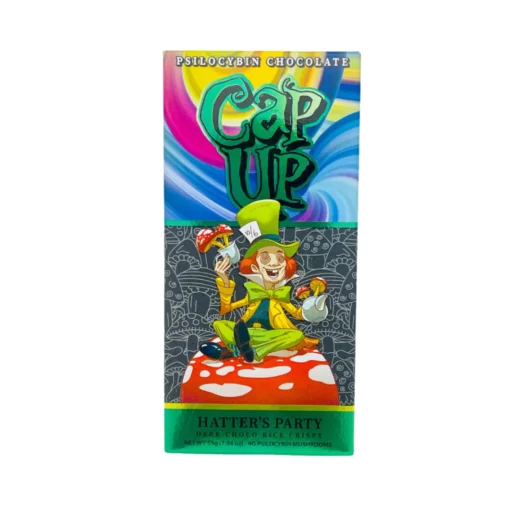
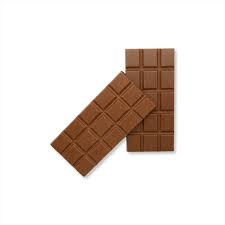
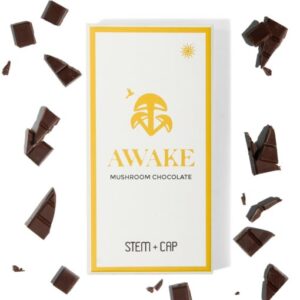
Psilocybin Mushroom Bar
$80.00
Benefits of Psilocybin Mushroom Bars
- Precise Dosage: Psilocybin Mushroom Bars provide a consistent and precise dosage of psilocybin, eliminating the need for measuring or weighing mushrooms.
- Convenience: They are easy to carry and consume, making them an excellent choice for those on the go.
- Reduced Nausea: Some users report experiencing less nausea compared to consuming dried mushrooms, making it a more pleasant experience.
- Longer Shelf Life: Mushroom bars typically have a longer shelf life than dried mushrooms, ensuring potency over time.
Psilocybin Mushroom Bar – Educational Overview (Science, Safety & Market Context)
The term “Psilocybin Mushroom Bar” is commonly used in online marketplaces and informal discussions to describe a type of chocolate edible that is claimed to contain mushroom-derived psychoactive compounds. Despite its candy-like presentation and branding, this is not a standardized food product category and does not fall under regulated confectionery manufacturing in most regions.
Instead, the term exists in a complex space between marketing language, informal commerce, and scientific interest in psychedelic compounds. The actual composition, safety, and legality of products using this label can vary widely depending on where and how they are produced.
This article provides an educational explanation of what psilocybin mushroom bars are, why they are discussed, and the important legal and safety considerations surrounding them.
What the Term Refers To
A “psilocybin mushroom bar” generally refers to a chocolate bar that is marketed as containing psilocybin-containing mushrooms or extracts.
The compound most often associated with this term is found in mushrooms from the species:
Psilocybe cubensis
This species is widely referenced in scientific literature, cultural discussions, and informal markets due to its naturally occurring psychoactive compounds. However, in commercial contexts, the term “psilocybin mushroom bar” is not a regulated or standardized food classification.
Instead, it is often a marketing descriptor used to signal the presence or suggestion of psychoactive mushroom ingredients.
Why Chocolate Bars Are Used
Chocolate is commonly chosen as a delivery medium for several practical and marketing reasons:
- It masks the bitter or earthy taste of mushroom material
- It allows easy segmentation into small pieces
- It creates a familiar candy-like product format
- It enhances shelf appeal through branding and packaging
- It simplifies portioning in controlled environments
Milk chocolate and dark chocolate bases are especially common because they blend well with added ingredients and make the product more palatable.
However, chocolate itself does not indicate regulation, safety, or consistency of the contents.
Lack of Standardization
One of the most important aspects of products labeled “psilocybin mushroom bar” is the absence of global standardization.
Unlike regulated foods or pharmaceutical products, these items:
- Do not follow universal manufacturing guidelines
- May vary widely between brands and batches
- Often lack independent verification of ingredients
- Can differ in appearance and composition despite identical branding
This means that two products with the same label may not be equivalent in quality or content.
Marketing Language and Branding
A major feature of this product category is the use of strong branding and marketing terminology. Common examples include:
- “Magic”
- “Premium”
- “Gold” or “Ultra” editions
- “Microdose”
- “High potency”
These terms are not scientifically defined and are not regulated in most jurisdictions. Instead, they are used to:
- Attract consumer attention
- Differentiate products in informal markets
- Suggest strength or quality without standardized testing
Because of this, packaging and branding alone are not reliable indicators of actual content.
Scientific Context of Psilocybin
In scientific and medical research, psilocybin is a naturally occurring compound found in certain mushrooms. It has been studied for its effects on perception, cognition, and mood in controlled clinical environments.
However, it is important to distinguish between:
- Clinical research settings (controlled, regulated, pharmaceutical-grade substances)
- Commercial or informal mushroom bars (unregulated consumer products)
In research environments, compounds are:
- Precisely measured
- Administered under medical supervision
- Subject to ethical and regulatory approval
This is very different from commercial chocolate products sold under “mushroom bar” branding.
Safety and Consumer Concerns
Health and safety discussions around psilocybin mushroom bars often highlight several risks associated with unregulated products:
1. Ingredient uncertainty
Products may not always contain what the label claims.
2. Inconsistent composition
Even identical brands may vary between batches.
3. Lack of testing
Some products are not tested for purity, contaminants, or accurate content levels.
4. Misleading packaging
Candy-like design can make products appear more regulated than they are.
5. Accidental ingestion risk
Because they resemble regular chocolate, there is a risk of confusion with ordinary food items.
These concerns are especially relevant in markets where regulation is limited or absent.
Legal Status Overview
The legal status of psilocybin-related substances varies widely:
- In many countries, psilocybin is classified as a controlled substance
- Some regions allow limited medical or research use
- A few jurisdictions have decriminalized possession under specific conditions
- Enforcement differs significantly depending on location
Because of this, products labeled “psilocybin mushroom bar” may be:
- Illegal in some regions
- Restricted or controlled in others
- Not approved for food sale in most regulated food systems
Consumers must always be aware that legality is highly location-dependent.
Functional Mushrooms vs Psychedelic Products
It is important to distinguish between two very different categories:
Functional mushroom products (legal wellness foods)
These include mushrooms such as:
- Lion’s Mane
- Reishi
- Cordyceps
- Chaga
They are:
- Non-psychoactive
- Common in dietary supplements
- Regulated as food or wellness products in many countries
Psilocybin mushroom bars
These are:
- Associated with psychoactive compounds
- Often unregulated in commercial markets
- Not approved as standard food products in most regions
This distinction is critical for understanding safety and legality.
Why These Products Are Popular
Despite concerns, psilocybin mushroom bars are widely discussed online due to:
- Social media exposure and trends
- Interest in psychedelic research
- Attractive packaging and candy-style branding
- Curiosity about alternative wellness approaches
- Misleading marketing that resembles regular confectionery
The combination of chocolate and mushroom branding makes these products especially visible in online spaces.
Public Health Perspective
From a public health standpoint, the main concerns include:
- Lack of consistent regulation
- Difficulty verifying product contents
- Potential for misuse or misunderstanding
- Risk of exposure to unverified substances
- Challenges in preventing underage access due to candy-like appearance
These concerns have led to warnings in various regions about unregulated mushroom edibles.
Key Takeaways
- “Psilocybin mushroom bar” is a marketing and informal market term, not a standardized food category
- It refers to chocolate products allegedly containing psychoactive mushroom compounds
- There is no consistent manufacturing or labeling standard
- Legal status varies widely by country and region
- Scientific research on psilocybin is separate from commercial edible products
- Functional mushrooms are a different, non-psychoactive category
Conclusion
A psilocybin mushroom bar is best understood as a marketed chocolate edible associated with psychedelic mushroom branding, rather than a regulated or standardized food product. While the term is widely used online, it exists in a complex space where branding, legality, and actual contents may not always align.
Understanding the difference between scientific research, functional mushrooms, and unregulated commercial products is essential when interpreting this category. In most cases, caution is advised because product consistency, safety, and legality vary significantly across regions and manufacturers.
If you want, I can also write:
- A 1150-word SEO article on legal mushroom chocolate (Lion’s Mane/Reishi wellness bars)
- Or a guide explaining how chocolate bars are manufactured in the food industry (safe, non-psychoactive focus)
Be the first to review “Psilocybin Mushroom Bar”
Related products
Chocolate Bars
Chocolate Bars
Chocolate Bars
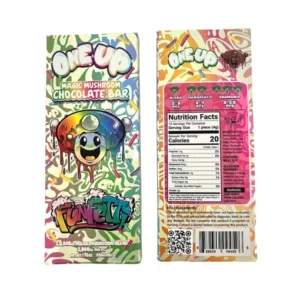
Chocolate Bars
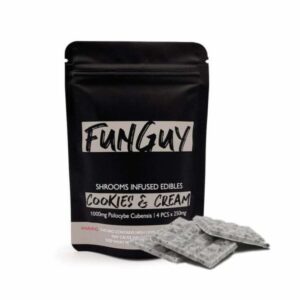
Chocolate Bars
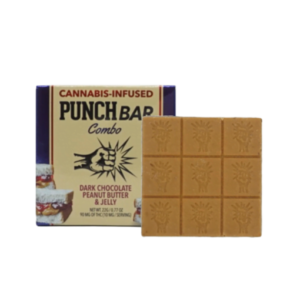
Chocolate Bars
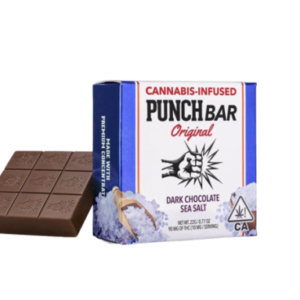
Chocolate Bars
Chocolate Bars
2 reviews for Psilocybin Mushroom Bar
There are no reviews yet.