
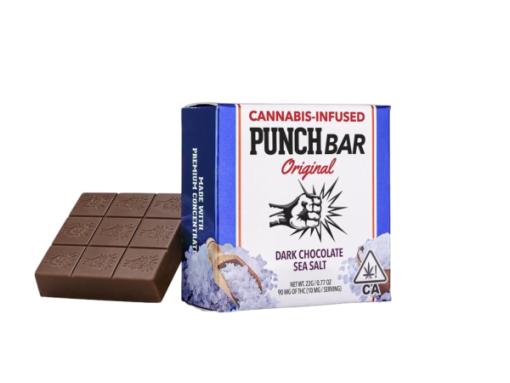
Punch Bar Original
$80.00
Punch bar original comes in the following flavors:
Milk Chocolate
Dark Chocolate Almond
Toffee Milk Chocolate
Mint Dark Chocolate
Dark Chocolate Raspberry
Milk Chocolate Caramel Bits
Tangerine Dark Chocolate
S’mores Milk Chocolate
Milk Chocolate Malted Crunch
Dark Chocolate Sea Salt
39 calories, 4g sugar per serving, Net Wt 22g
Peak Effect: 60-90 mins
Punch Bar Original – Educational Overview
Punch Bar Original is a name commonly associated with chocolate edible products found in cannabis-related markets. Over the years, the Punch Bar name has become recognizable among consumers because of its chocolate-bar format, segmented design, and distinctive packaging style. While many people encounter the brand through online discussions or dispensary menus, it is important to understand that products marketed under this name belong to a highly regulated category in some regions and may be restricted or prohibited in others.
This article explores what the Punch Bar Original name represents, how products in this category are typically marketed, and the broader consumer, legal, and manufacturing considerations surrounding edible chocolate products.
Understanding the Punch Bar Brand Concept
The term “Punch Bar” is generally used as a brand identifier rather than a description of a specific ingredient. Similar to how traditional chocolate companies develop signature product lines, Punch Bar products are typically presented as segmented chocolate bars designed for portioning.
The popularity of the brand comes largely from:
- Familiar chocolate-bar presentation
- Easy-to-recognize packaging
- Variety of flavor options
- Consistent visual branding
Consumers often recognize the product because it resembles conventional confectionery products while existing within a specialized market category.
Why Chocolate Bars Are Popular
Chocolate bars have long been one of the most popular forms of confectionery products worldwide.
Chocolate
Manufacturers often choose chocolate because it offers several advantages:
- Familiar taste and texture
- Long shelf life when stored properly
- Ability to be divided into uniform sections
- Wide consumer appeal
Milk chocolate, dark chocolate, cookies-and-cream varieties, and other flavor combinations remain popular because they provide a familiar experience for consumers.
The Importance of Product Labeling
One of the most important aspects of modern edible products is accurate labeling.
In regulated markets, labels often provide information about:
- Ingredients
- Nutritional information
- Manufacturing details
- Expiration dates
- Storage instructions
- Serving information
Good labeling practices help consumers make informed decisions and support transparency throughout the supply chain.
Manufacturing Standards
Food manufacturing has evolved significantly over the past century. Consumers today generally expect products to be produced under strict quality-control standards.
These standards often focus on:
- Clean production facilities
- Ingredient traceability
- Consistent manufacturing processes
- Product testing
- Packaging integrity
When food products are manufactured under recognized standards, consumers can have greater confidence in quality and consistency.
Packaging and Branding
One reason products like Punch Bar Original attract attention is packaging design.
Packaging serves several purposes:
Product Protection
The packaging helps protect chocolate from:
- Moisture
- Heat
- Light exposure
- Physical damage
Brand Recognition
Strong branding helps consumers identify products quickly.
Consumer Information
Packaging also provides:
- Ingredient lists
- Warnings
- Storage recommendations
- Manufacturer information
Modern food packaging is designed to balance aesthetics with practical consumer needs.
Chocolate Production Basics
Understanding chocolate production helps explain why chocolate remains such a popular edible format.
The process generally includes:
- Harvesting cocoa beans
- Fermentation and drying
- Roasting
- Grinding into cocoa mass
- Mixing ingredients
- Refining and conching
- Tempering
- Molding and packaging
These steps contribute to the smooth texture and flavor that consumers expect from quality chocolate products.
Consumer Awareness
Consumers today are more informed than ever before.
Many people now evaluate products based on:
- Ingredient transparency
- Company reputation
- Product consistency
- Manufacturing standards
- Regulatory compliance
This increased awareness has encouraged manufacturers to improve quality-control practices and provide more detailed product information.
Storage Considerations
Chocolate products should generally be stored under appropriate conditions to maintain quality.
Recommended storage practices include:
- Cool temperatures
- Dry environments
- Protection from direct sunlight
- Sealed packaging
Improper storage can affect:
- Texture
- Flavor
- Appearance
- Shelf life
Chocolate that experiences excessive heat may develop surface changes or lose its intended consistency.
The Role of Regulation
Regulation plays an important role in modern consumer markets.
Regulatory systems may establish requirements for:
- Product testing
- Ingredient disclosure
- Packaging standards
- Marketing restrictions
- Consumer safety measures
The specific requirements vary significantly between countries, states, and regions.
As a result, products that are legal in one area may not be legal in another.
Market Growth and Consumer Trends
The edible products market has expanded considerably over the last decade.
Several trends have contributed to this growth:
Convenience
Consumers often appreciate products that are easy to transport and store.
Familiar Formats
Chocolate bars are widely recognized and require little explanation.
Product Variety
Manufacturers continue to introduce new:
- Flavors
- Packaging styles
- Ingredient combinations
- Premium product lines
Brand Loyalty
Consumers frequently develop preferences for brands they trust.
Quality Assurance
Quality assurance is essential in food manufacturing.
Effective quality-control programs often include:
- Ingredient verification
- Production monitoring
- Product inspections
- Packaging reviews
- Shelf-life testing
These practices help maintain consistency across production batches.
Reading Product Information Carefully
Consumers benefit from reviewing product information before purchasing.
Important areas to review include:
- Ingredient lists
- Nutrition panels
- Allergen information
- Manufacturer details
- Storage instructions
Taking time to review labels can help consumers better understand what they are buying.
The Importance of Responsible Marketing
Responsible marketing practices emphasize:
- Accurate information
- Transparent labeling
- Clear communication
- Consumer education
Companies that prioritize transparency often build stronger long-term relationships with consumers.
Consumer Safety Considerations
Food safety remains a central concern across all product categories.
Consumers should generally look for:
- Proper packaging
- Clear labeling
- Reputable manufacturers
- Compliance with local regulations
Products lacking basic transparency may warrant additional caution.
Future Industry Developments
The broader edible products market continues to evolve.
Potential future developments include:
- Improved testing standards
- Enhanced traceability systems
- Sustainable packaging initiatives
- Greater ingredient transparency
- More advanced manufacturing technologies
These trends reflect growing consumer demand for accountability and quality.
Conclusion
Punch Bar Original is a widely recognized name associated with chocolate edible products and serves as an example of how branding, packaging, and consumer recognition influence modern product markets. While the name is familiar to many consumers, understanding the broader context—including manufacturing standards, labeling practices, storage considerations, regulatory requirements, and consumer safety principles—is essential.
By focusing on transparency, quality control, and informed decision-making, consumers can better evaluate products and understand the importance of responsible production practices in today’s food and confectionery industries.
Be the first to review “Punch Bar Original”
Related products
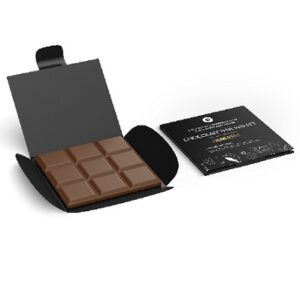
Chocolate Bars
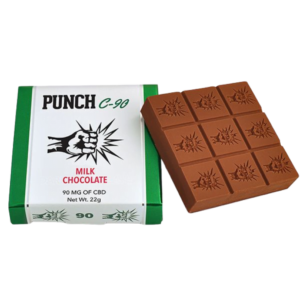
Chocolate Bars
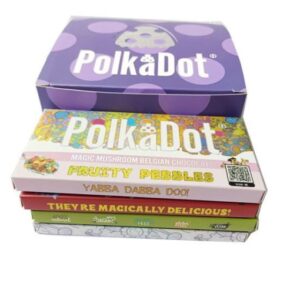
Chocolate Bars
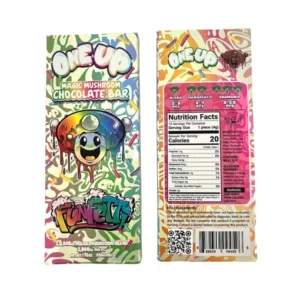
Chocolate Bars
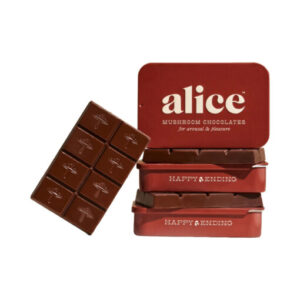
Chocolate Bars
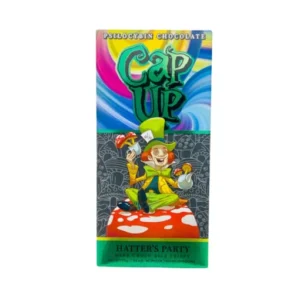
Chocolate Bars
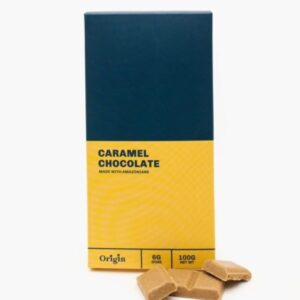
Chocolate Bars
Chocolate Bars
2 reviews for Punch Bar Original
There are no reviews yet.