


Understanding Cannabis Crumble Concentrates: An Educational Guide
Cannabis concentrates have become an increasingly recognized category within regulated cannabis markets. Among the many concentrate textures available, crumble is one of the most commonly discussed. The term refers to the texture and appearance of a concentrate rather than a specific strain, potency level, or quality classification.
Products marketed with names such as “Chemo Crumble” generally combine a strain or product name with the concentrate texture category known as crumble. Understanding what crumble is, how it is produced, and the importance of testing, labeling, and regulation can help consumers better understand this segment of the cannabis industry.
This article focuses on educational information and consumer awareness rather than product promotion or usage guidance.
What Is Cannabis Crumble?
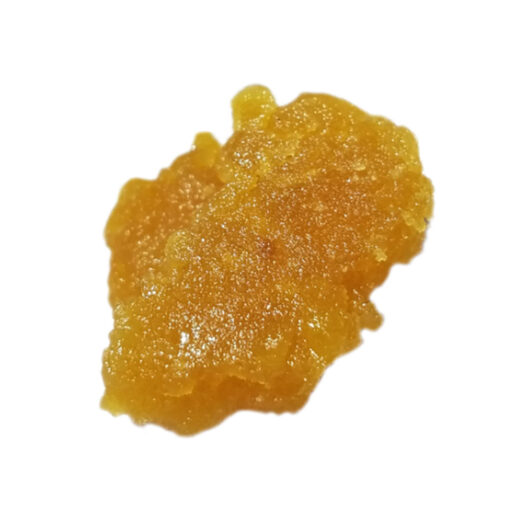
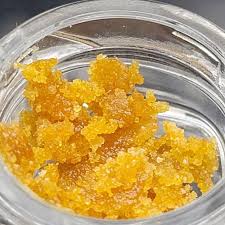
Cannabis crumble is a type of cannabis concentrate recognized for its dry, crumbly consistency.
Unlike concentrates with a glass-like texture or a creamy appearance, crumble typically breaks apart easily when handled. The texture often resembles:
- Honeycomb
- Crushed cookie pieces
- Dry wax
- Brittle granules
The physical consistency develops during manufacturing and refinement processes.
The name “crumble” describes texture only and does not automatically indicate product quality, strength, or composition.
Understanding Concentrate Categories
Cannabis concentrates are often classified according to appearance and texture.
Common categories include:
- Shatter
- Wax
- Budder
- Crumble
- Rosin
- Resin
- Sauce
These categories help distinguish products visually and physically.
Because production methods can vary significantly between manufacturers, products within the same texture category may still differ in composition and manufacturing quality.
Why Concentrates Exist
Cannabis concentrates emerged as part of the broader development of cannabis product markets.
Several factors contributed to their growth:
Product Diversity
Manufacturers continually develop new product formats to meet consumer demand.
Technological Advances
Improved extraction and refinement methods have expanded concentrate production capabilities.
Market Innovation
The cannabis industry frequently introduces new categories and branding concepts.
Consumer Interest
As legal cannabis markets mature, consumers often become more interested in learning about product classifications and manufacturing methods.
How Concentrates Are Produced
Cannabis concentrates are generally produced by separating selected plant compounds from raw cannabis material.
While manufacturing methods vary, production often involves:
Raw Material Selection
The process begins with selecting cannabis plant material.
Extraction
Manufacturers separate desired compounds from plant matter through specialized extraction processes.
Refinement
Additional refinement helps improve consistency and remove unwanted materials.
Texture Development
Production variables influence the final consistency and appearance.
Packaging
Finished concentrates are packaged and labeled according to applicable regulations.
The specific texture associated with crumble develops through processing conditions that influence moisture content and product structure.
Texture and Product Identification
Texture plays an important role in concentrate identification.
Crumble is generally distinguished by:
- Dry consistency
- Granular appearance
- Easy breakability
- Porous structure
These characteristics help differentiate crumble from other concentrate categories.
However, texture alone should not be viewed as an indicator of manufacturing quality or regulatory compliance.
Importance of Product Testing
Laboratory testing is a major component of regulated cannabis industries.
Testing programs may evaluate:
- Product composition
- Contaminants
- Microbial safety
- Heavy metals
- Residual processing materials
- Label accuracy
Independent laboratory testing supports transparency and consumer confidence.
Testing requirements vary by jurisdiction, but verification remains an important aspect of many regulated cannabis markets.
Quality Assurance and Manufacturing Standards
Quality assurance programs help manufacturers maintain consistency throughout production.
Examples include:
Documentation Systems
Detailed records support traceability and accountability.
Equipment Maintenance
Regular maintenance helps improve production consistency.
Employee Training
Training programs support compliance and operational standards.
Batch Monitoring
Monitoring helps identify variations between production runs.
Quality-control systems are increasingly important as regulated cannabis industries continue to evolve.
Understanding Product Labels
Clear labeling provides consumers with important information.
Product labels may include:
- Product name
- Manufacturer details
- Batch numbers
- Production dates
- Testing information
- Regulatory warnings
Accurate labeling supports transparency and helps consumers understand what they are evaluating.
Consumers should review labels carefully and verify information whenever possible.
Packaging Considerations
Packaging serves several important functions within regulated product markets.
Product Protection
Packaging helps protect concentrates from:
- Light exposure
- Moisture
- Air exposure
- Physical damage
Information Delivery
Packaging communicates important details regarding:
- Product identification
- Manufacturing information
- Compliance requirements
- Safety notices
Regulatory Compliance
Many jurisdictions require specific packaging features designed to improve consumer protection.
Consumer Awareness and Education
Consumer education plays an increasingly important role in modern cannabis industries.
Key areas of awareness include:
Terminology
Understanding industry terminology helps consumers navigate product categories.
Transparency
Consumers often benefit from evaluating objective information rather than relying solely on branding.
Regulatory Compliance
Products should comply with applicable legal and regulatory requirements.
Testing Verification
Independent laboratory testing can provide valuable information regarding product quality and consistency.
Education helps consumers better understand the differences between marketing language and verified information.
Marketing Language Versus Objective Information
Cannabis products are often marketed using descriptive terms such as:
- Premium
- High grade
- Top shelf
- Exclusive
- Ultra refined
While these terms may attract attention, they are generally marketing phrases rather than standardized quality classifications.
Consumers frequently gain more useful insights from:
- Testing documentation
- Manufacturer transparency
- Quality-control programs
- Regulatory compliance records
Objective information often provides a stronger basis for evaluation than promotional language.
Regulatory Considerations
Cannabis laws vary significantly across countries, states, and regions.
Depending on location, cannabis products may be:
- Legal for adult use
- Available through medical programs
- Restricted to licensed markets
- Completely prohibited
Regulatory systems may establish requirements regarding:
- Product testing
- Packaging
- Labeling
- Manufacturing standards
- Distribution controls
Consumers should always verify local laws and regulations before evaluating product availability or legality.
Industry Trends
The concentrate sector continues to evolve as cannabis markets mature.
Current trends include:
Enhanced Product Testing
Regulators increasingly emphasize laboratory verification.
Greater Traceability
Many markets require detailed tracking throughout production and distribution.
Improved Transparency
Manufacturers are providing more information regarding sourcing and production.
Consumer Education Initiatives
Educational resources continue expanding to support informed decision-making.
These trends reflect growing expectations for accountability and product transparency.
The Importance of Responsible Industry Practices
Responsible manufacturing practices often emphasize:
- Testing verification
- Accurate labeling
- Quality assurance
- Regulatory compliance
- Consumer education
Such practices contribute to trust and accountability within regulated industries.
As consumer expectations continue to evolve, transparency remains an important factor influencing market credibility.
Conclusion
Cannabis crumble is a concentrate category defined primarily by its dry, crumbly texture. Products marketed with names such as Chemo Crumble combine branding terminology with this concentrate classification, but understanding the broader context requires looking beyond product names.
By learning about concentrate manufacturing, laboratory testing, quality-control systems, labeling practices, packaging requirements, and regulatory oversight, consumers can better understand how cannabis concentrate markets operate. Education, transparency, and verified information remain essential tools for evaluating product categories responsibly and understanding the role of concentrates within modern regulated cannabis industries.
Be the first to review “Chemo Crumble”
Related products
concentrates

concentrates

concentrates

concentrates

concentrates
concentrates
concentrates

Reviews
There are no reviews yet.