
One Up Mushroom Bar – Educational Overview (Safety & Awareness Guide)
Introduction
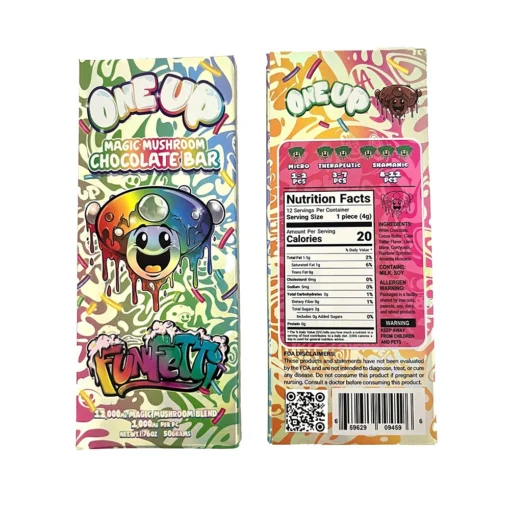
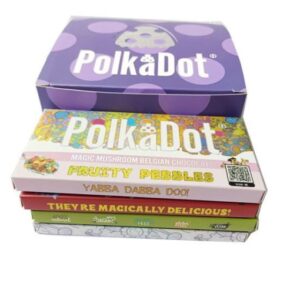
The term “One Up Mushroom Bar” is commonly seen in online marketplaces, social media discussions, and informal product listings. It is used to describe a type of mushroom-themed chocolate edible, usually packaged in a way that resembles candy or novelty confectionery.
Despite its playful branding, “One Up Mushroom Bar” is not an officially standardized food product, nor is it part of any regulated global confectionery category. Instead, it is best understood as a marketing label used in unregulated or semi-regulated markets for mushroom-related edible products.
The name itself often combines gaming-inspired branding (“One Up”) with mushroom and chocolate themes, creating a product identity that feels familiar and appealing to consumers, even though the actual contents may vary widely.
What the Name “One Up” Refers To
The phrase “One Up” is commonly associated with video game culture, where it means gaining an extra life or advantage. In product branding, this term is used to create a sense of:
- Fun or nostalgia
- Enhanced experience
- “Boosted” or premium positioning
- Youth-oriented marketing appeal
When applied to mushroom chocolate bars, it does not refer to any scientific ingredient or standardized formulation. It is purely a branding choice, not an indicator of quality, regulation, or composition.
What “Mushroom Chocolate Bar” Means in This Context
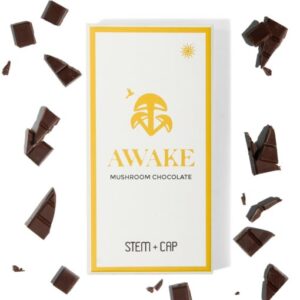
A “mushroom chocolate bar” generally refers to a chocolate product that is claimed to contain mushroom-derived ingredients. In some contexts, this may involve functional mushrooms used in supplements, while in other contexts it may refer to products associated with psychoactive mushrooms.
In many online listings for “One Up Mushroom Bar,” the product is presented as containing mushrooms linked to the species:
Psilocybe cubensis
This species is widely known in scientific literature and popular culture for containing naturally occurring psychoactive compounds. However, it is important to understand that:
- The name does not guarantee verified contents
- There is no universal manufacturing standard
- The actual ingredients may vary significantly between products
Because of this, “mushroom chocolate bar” is a broad and often inconsistent label rather than a precise food category.
Lack of Standardization in the Market
One of the most important things to understand about products like “One Up Mushroom Bar” is that they are typically part of an unregulated or loosely regulated market segment.
This means:
- There is no global recipe or required formulation
- Manufacturers may use different ingredients
- Quality control standards may not be consistent
- Labeling may not be independently verified
Two products with the same name can therefore be completely different in composition, even if they look identical on the outside.
Why Chocolate Is Used as a Medium
Chocolate is frequently used in edible products for several practical and marketing reasons:
- It masks bitter or earthy flavors
- It is widely recognized and easy to consume
- It allows portioning into small squares or segments
- It supports attractive packaging and branding
Milk or dark chocolate bases are especially common because they are familiar to consumers and can make unusual ingredients seem more approachable.
However, the presence of chocolate does not indicate safety, regulation, or verified ingredient accuracy.
Marketing vs Reality
Names like “One Up Mushroom Bar” often use strong marketing language to create appeal. This may include:
- “Premium”
- “Magic”
- “Extra strong”
- “Microdose”
- Gaming-inspired branding themes
These terms are not scientific classifications. Instead, they are used to attract attention and shape consumer expectations.
In many cases, such branding can make a product appear more legitimate or standardized than it actually is.
Safety and Consumer Concerns
Health and consumer safety discussions around unregulated mushroom chocolate products often highlight several concerns:
1. Unverified Ingredients
There may be no reliable confirmation that the contents match the label.
2. Inconsistent Composition
Different batches of the same product name may vary significantly.
3. Lack of Testing
Some products are not tested for purity, contaminants, or accurate content labeling.
4. Misleading Packaging
Professional-looking packaging does not guarantee regulated manufacturing.
These issues make it difficult for consumers to accurately understand what they are purchasing.
Legal Considerations
The legal status of products labeled as mushroom chocolate bars varies widely depending on location.
In many countries:
- Psychedelic mushrooms or their compounds are classified as controlled substances
- Production, sale, or possession may be restricted or illegal
- Enforcement and regulations differ by region
Because of this, products like “One Up Mushroom Bar” may fall into different legal categories depending on jurisdiction, and availability does not necessarily imply legality.
Functional Mushrooms vs Psychedelic Branding
It is important to distinguish between two very different categories:
Functional Mushroom Products (Legal wellness category)
These include mushrooms such as:
- Lion’s Mane
- Reishi
- Cordyceps
- Chaga
These are typically:
- Non-psychoactive
- Used in supplements and health foods
- More widely regulated in food markets
Psychedelic-Associated Branding Products
Products labeled as “One Up Mushroom Bar” often fall into a different category in public perception:
- May reference psychoactive mushrooms
- Often sold in informal or unregulated markets
- Lack consistent oversight or standardization
This distinction is important for understanding safety, legality, and product reliability.
Why These Products Are Popular Online
Despite concerns, products like “One Up Mushroom Bar” are widely discussed online due to:
- Social media trends and viral marketing
- Curiosity about alternative substances
- Eye-catching packaging and branding
- Online marketplace exposure
- Misinterpretation of wellness terminology
The combination of chocolate branding and mushroom terminology makes these products particularly attention-grabbing.
Scientific Research Context (Important Distinction)
In scientific settings, compounds associated with psychedelic mushrooms are studied under strict conditions for potential applications in:
- Mental health research
- Neuroscience studies
- Controlled clinical trials
However, these studies use:
- Pharmaceutical-grade compounds
- Controlled dosing environments
- Medical supervision
This is fundamentally different from consumer products sold under branding names like “One Up Mushroom Bar.”
Key Takeaways
- “One Up Mushroom Bar” is a marketing-style name, not a standardized food product
- It is commonly associated with unregulated mushroom chocolate markets
- The name does not guarantee ingredients, quality, or safety
- Chocolate is used mainly for flavor and branding appeal
- Legal status varies widely depending on region
- Functional mushroom products are different and more regulated
Conclusion
The term “One Up Mushroom Bar” represents a category of branded mushroom-themed chocolate products that exist primarily in informal or unregulated markets. While the packaging and naming may suggest a consistent or premium edible product, in reality there is often no universal standard for ingredients, manufacturing, or testing.
Understanding the difference between marketing language, functional mushroom foods, and unregulated psychoactive branding is essential for interpreting products like this accurately. Consumers should be aware that names alone do not define safety, legality, or product consistency.
If you want, I can also write:
- A 1150-word SEO article on safe functional mushroom chocolate (Lion’s Mane, Reishi, etc.)
- Or a guide on how mushroom chocolate branding works in marketing and e-commerce (non-drug focus)
Be the first to review “One Up Mushroom Bar”
Related products
Chocolate Bars
Chocolate Bars

Chocolate Bars
Chocolate Bars

Chocolate Bars
Chocolate Bars
Chocolate Bars
Chocolate Bars
2 reviews for One Up Mushroom Bar
There are no reviews yet.