
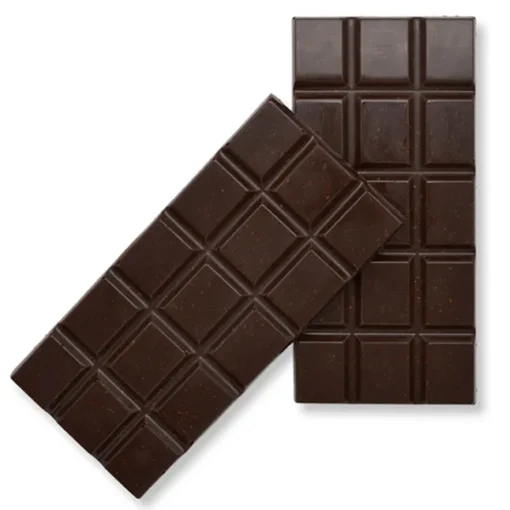

Assorted Chocolate Bar
$80.00
-
Flavor Range: Combines milk, dark, white, and specialty blends for variety in every bar
-
Texture: Delivers a smooth, melt-in-your-mouth finish with distinct transitions between flavors
-
Use Case: Serves perfectly as a gift, casual indulgence, or highlight of a gourmet tasting night
-
Packaging: Features a resealable, premium wrapper that locks in freshness
-
Storage Tip: Store in a cool, dry place to keep taste and texture at their best
Each piece balances sweetness and cocoa content to satisfy every palate. Crafted in small batches, this chocolate bar reflects meticulous attention to quality in every bite.
Assorted Chocolate Bar – Meaning & Overview
Assorted Chocolate Bar: A Complete Educational Guide
Introduction
An assorted chocolate bar is a type of chocolate product that includes multiple flavors, fillings, textures, or chocolate varieties in a single bar or packaged collection. Unlike a standard chocolate bar that focuses on one flavor profile, an assorted chocolate bar is designed to offer variety and a more diverse tasting experience.
These products are popular in the global confectionery market because they appeal to a wide range of tastes at once. They are commonly used for gifting, sharing, celebrations, and personal indulgence. In recent years, assorted chocolate bars have also become part of premium and artisanal chocolate branding, with manufacturers experimenting with unique flavor combinations and textures.
This article explores what assorted chocolate bars are, how they are made, their types, ingredients, cultural relevance, and why they remain a favorite in the chocolate industry.
What Is an Assorted Chocolate Bar?
An assorted chocolate bar refers to either:
- A single chocolate bar divided into sections with different flavors or fillings, or
- A packaged set of multiple chocolate bars with varying ingredients and tastes
The key feature is variety. Instead of consuming one consistent flavor, the consumer experiences multiple chocolate profiles in one product.
Assorted bars may include combinations such as:
- Milk chocolate, dark chocolate, and white chocolate
- Caramel-filled, nut-filled, and fruit-filled segments
- Crunchy, creamy, and smooth textures
- Sweet, bitter, and balanced flavor contrasts
This variety makes them appealing to people who enjoy exploring different chocolate sensations without buying multiple separate products.
History of Chocolate Variety Products
Chocolate has been consumed for thousands of years, but the concept of assorted chocolate products became more popular in the 19th and 20th centuries with the rise of industrial chocolate manufacturing.
As chocolate production became more advanced, companies began experimenting with:
- Filling chocolates with nuts, creams, and caramel
- Mixing cocoa strengths (milk vs dark chocolate)
- Creating boxed assortments for gifting markets
Brands in Europe, especially in Switzerland and Belgium, played a major role in popularizing premium assorted chocolates. Over time, this evolved into modern assorted chocolate bars and boxed selections found worldwide today.
Types of Assorted Chocolate Bars
There are several categories of assorted chocolate products depending on how they are designed and packaged.
1. Mixed Flavor Chocolate Bars
These are single bars divided into sections, each with a different flavor. For example:
- One section may be milk chocolate with caramel
- Another section may be dark chocolate with almonds
- Another may include white chocolate with cookie bits
This format allows consumers to experience variety in a single sitting.
2. Chocolate Variety Packs
These are boxes containing multiple chocolate bars, each with different flavors. They are often used for:
- Gift boxes
- Holiday packages
- Retail sampler packs
3. Filled Assorted Chocolates
These include chocolates with different fillings such as:
- Hazelnut cream
- Peanut butter
- Caramel
- Fruit puree
- Coffee or espresso flavors
Each piece in the assortment has a different internal filling.
4. Premium Artisan Assortments
Artisan chocolatiers often create small-batch assorted bars using:
- Organic cocoa
- Exotic spices
- Sea salt blends
- Unique flavor infusions like chili or lavender
These are usually marketed as luxury or gourmet products.
Ingredients Used in Assorted Chocolate Bars
The ingredients depend on the brand and type of chocolate, but commonly include:
Basic Ingredients:
- Cocoa mass or cocoa liquor
- Cocoa butter
- Sugar
- Milk powder (for milk chocolate)
- Vanilla or natural flavoring
Additional Ingredients:
- Nuts (almonds, hazelnuts, peanuts)
- Caramel or toffee
- Fruit pieces (orange, raspberry, cranberry)
- Crisped rice or wafers
- Cream-based fillings
The combination of these ingredients is what creates the “assorted” experience.
How Assorted Chocolate Bars Are Made
The production process involves several stages:
1. Cocoa Processing
Cocoa beans are harvested, fermented, dried, roasted, and ground into cocoa mass.
2. Chocolate Blending
Manufacturers create different chocolate bases such as milk, dark, and white chocolate.
3. Flavor Development
Fillings and flavor elements like nuts, creams, and fruit extracts are prepared separately.
4. Molding and Layering
Chocolate is poured into molds or layered into segmented bars, depending on design.
5. Filling and Assembly
Different fillings are added to specific sections or combined within the chocolate structure.
6. Cooling and Solidification
The bars are cooled to solidify and maintain shape.
7. Packaging
Final products are wrapped or boxed for retail distribution.
Why Assorted Chocolate Bars Are Popular
Assorted chocolate bars are widely loved for several reasons:
1. Variety of Taste
They offer multiple flavors in one product, making them exciting to eat.
2. Gifting Appeal
They are commonly used as gifts for holidays, birthdays, and celebrations.
3. Sharing Convenience
Assorted bars or packs are ideal for groups because everyone can choose different flavors.
4. Sampling Experience
Consumers can try different chocolate types without buying multiple products.
5. Premium Branding
Many luxury chocolate brands use assortments to showcase creativity and quality.
Nutritional Considerations
Chocolate, especially assorted varieties, can vary in nutritional content. Typically, they contain:
- Calories from sugar and fat
- Small amounts of protein from milk and nuts
- Antioxidants from cocoa (especially dark chocolate)
However, because assorted chocolates often include sweet fillings, they can also be high in sugar and should be consumed in moderation as part of a balanced diet.
Cultural and Social Significance
Chocolate has a strong cultural presence worldwide. Assorted chocolate bars, in particular, are associated with:
- Gift-giving traditions during holidays
- Romantic gestures such as Valentine’s Day
- Corporate gifting and celebrations
- Luxury food experiences in European culture
They symbolize sharing, variety, and indulgence, making them a popular product across many societies.
Storage and Preservation
To maintain freshness and quality:
- Store in a cool, dry place
- Avoid direct sunlight and heat exposure
- Keep sealed to prevent moisture absorption
- Avoid refrigeration unless necessary
Proper storage helps preserve texture and flavor integrity.
Market Trends
The chocolate industry continues to evolve, and assorted chocolate bars are part of this innovation. Current trends include:
- Vegan and dairy-free assortments
- Organic and fair-trade cocoa sourcing
- Exotic flavor combinations (sea salt, chili, matcha)
- Functional chocolate (infused with vitamins or mushrooms)
- Premium artisan packaging designs
Consumers are increasingly interested in quality, ethics, and unique flavor experiences.
Conclusion
An assorted chocolate bar is more than just a sweet treat—it is a carefully designed product that brings together multiple flavors, textures, and chocolate types in one experience. Whether in the form of a segmented bar or a variety pack, it offers diversity, enjoyment, and convenience.
Its popularity continues to grow due to its versatility, gift appeal, and ability to satisfy different taste preferences in a single product. From traditional milk chocolate combinations to modern gourmet innovations, assorted chocolate bars remain a staple in the global confectionery market.
Be the first to review “Assorted Chocolate Bar”
Related products
Chocolate Bars
Chocolate Bars


Chocolate Bars

Chocolate Bars

Chocolate Bars
Chocolate Bars
Chocolate Bars
Chocolate Bars
2 reviews for Assorted Chocolate Bar
There are no reviews yet.