




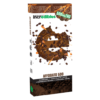
6 Gram Dark Mushroom: An Educational Overview
Introduction
The term “6 Gram Dark Mushroom” is commonly used in the mushroom product market to describe a product containing six grams of dried mushroom material. Depending on the manufacturer, the product may contain functional mushrooms, medicinal mushrooms, or, in some jurisdictions, psychedelic mushroom varieties. Because the phrase is primarily a marketing term rather than a scientific classification, its exact meaning can vary between brands and sellers.
Understanding what a 6 Gram Dark Mushroom product represents requires knowledge of mushroom cultivation, preparation methods, historical use, and the growing interest in mushrooms for wellness, research, and education. This article provides an educational overview of the concept, its possible applications, and important considerations for consumers and researchers.
What Are Mushrooms?
Mushrooms are the fruiting bodies of fungi. Unlike plants, fungi do not produce energy through photosynthesis. Instead, they obtain nutrients by breaking down organic matter in their environment. Mushrooms have existed for millions of years and play a critical role in ecosystems by recycling nutrients and supporting soil health.
There are thousands of mushroom species worldwide. Some are edible and widely consumed as food, while others have been used traditionally in wellness practices. Certain species contain naturally occurring compounds that have attracted scientific interest for their unique biological properties.
Understanding the “6 Gram” Measurement
The “6 gram” designation refers to the weight of the dried mushroom material contained in a product. Drying mushrooms removes most of their water content, making them lighter and more stable for storage.
A six-gram quantity may be sold in several forms, including:
- Whole dried mushrooms
- Mushroom powder
- Capsules
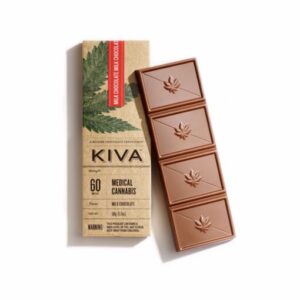
- Chocolate products infused with mushroom extracts
- Herbal blends
- Specialty mushroom formulations
The exact amount of active compounds present can vary significantly depending on the mushroom species, cultivation methods, harvesting practices, and storage conditions.
Why Is It Called “Dark Mushroom”?
The word “dark” is often used as a branding or descriptive term. It may indicate:
- Dark-colored mushroom varieties
- Dark chocolate formulations containing mushrooms
- Premium product lines
- Unique cultivation or processing methods
- Distinctive packaging and marketing themes
There is no universally recognized mushroom species known simply as “Dark Mushroom.” Therefore, consumers should always review product descriptions carefully to understand what ingredients are actually included.
Historical Use of Mushrooms
Humans have interacted with mushrooms for thousands of years. Historical records suggest that mushrooms have been used in various cultures for food, spiritual practices, and traditional wellness applications.
Ancient civilizations in Asia, Europe, and the Americas documented the use of mushrooms in different contexts. Some species were highly valued for their rarity, while others were incorporated into traditional diets and cultural ceremonies.
Modern scientific research continues to explore the biological compounds found in mushrooms and their potential applications.
Functional Mushroom Varieties
Many mushroom products contain functional mushroom species known for their long history of use. Common examples include:
Lion’s Mane
Lion’s Mane is recognized for its distinctive appearance, resembling a white cascading mane. It has gained popularity among individuals interested in cognitive wellness and focus.
Reishi
Often referred to as the “Mushroom of Longevity” in traditional Eastern practices, Reishi has been used for centuries and remains one of the most widely recognized functional mushrooms.
Cordyceps
Cordyceps mushrooms have historically been used in mountainous regions of Asia. Today they are commonly included in supplements marketed toward active lifestyles.
Chaga
Chaga grows primarily on birch trees in colder climates and is frequently consumed as a tea or extract.
Turkey Tail
Turkey Tail mushrooms are known for their colorful fan-shaped appearance and have become the subject of scientific research due to their unique natural compounds.
Mushroom Cultivation
The cultivation of mushrooms is a specialized agricultural practice. Most cultivated mushrooms are grown in carefully controlled environments to maintain consistency and quality.
The process generally includes:
- Preparing a suitable growing substrate
- Introducing mushroom spawn
- Maintaining temperature and humidity
- Allowing colonization of the substrate
- Encouraging fruiting body development
- Harvesting mature mushrooms
- Drying and packaging the final product
Proper cultivation practices help ensure product quality and reduce contamination risks.
Processing and Storage
After harvest, mushrooms are often dried to preserve their quality and extend shelf life. Drying removes moisture while helping maintain many of the naturally occurring compounds present in the mushroom.
Common processing methods include:
- Air drying
- Freeze drying
- Low-temperature dehydration
- Grinding into powder
- Extraction techniques
Proper storage is important. Mushrooms are typically stored in cool, dry environments away from direct sunlight and excess humidity.
Quality Considerations
When evaluating any mushroom product, consumers often look at several factors:
Ingredient Transparency
Reputable manufacturers clearly identify the mushroom species used and provide detailed ingredient information.
Testing Standards
Many producers conduct laboratory testing to verify product quality and ensure consistency.
Manufacturing Practices
Products manufactured according to recognized quality standards may offer greater reliability and consumer confidence.
Packaging
Protective packaging can help preserve freshness and reduce exposure to moisture and environmental contaminants.
Scientific Interest in Mushrooms
Mushrooms continue to attract attention from researchers across multiple fields, including:
- Biology
- Agriculture
- Nutrition
- Environmental science
- Pharmacology
- Mycology
Scientists study mushroom compounds to better understand their structures, functions, and interactions within biological systems.
Research in this area remains active and continues to expand as new discoveries are made.
Environmental Benefits of Mushroom Cultivation
Mushroom cultivation can offer environmental advantages because many species grow efficiently on agricultural byproducts and organic materials.
Potential benefits include:
- Recycling organic waste
- Supporting sustainable agriculture
- Requiring relatively little land
- Producing food efficiently
- Contributing to soil health
These characteristics have made mushroom farming an increasingly important part of sustainable food production systems around the world.
Consumer Awareness
Anyone interested in mushroom products should take time to understand:
- The specific mushroom species involved
- The ingredients included in the formulation
- Applicable local regulations
- Manufacturer information
- Recommended storage conditions
Because product names and branding terms can vary significantly, relying solely on a product title such as “6 Gram Dark Mushroom” may not provide enough information to understand what is actually being sold.
Conclusion
A 6 Gram Dark Mushroom product generally refers to a mushroom-based product containing six grams of dried mushroom material, although the exact ingredients and purpose depend on the manufacturer. The term “dark” is typically a branding description rather than a scientific classification. Mushrooms have a rich history of human use, ranging from food and traditional wellness practices to modern scientific research.
As interest in mushrooms continues to grow, consumers can benefit from understanding how mushrooms are cultivated, processed, and marketed. Careful evaluation of ingredients, quality standards, and manufacturer transparency can help individuals make informed decisions when exploring mushroom-related products. Whether viewed from a nutritional, agricultural, cultural, or scientific perspective, mushrooms remain one of nature’s most fascinating and widely studied organisms.
Be the first to review “6GRAM DARK MUSHROOM”
Related products

Chocolate Bars

Chocolate Bars
Chocolate Bars
Chocolate Bars
Chocolate Bars
Chocolate Bars

Chocolate Bars
Chocolate Bars
4 reviews for 6GRAM DARK MUSHROOM
There are no reviews yet.