
Understanding Cannabis Flower Genetics and Modern Hybrid Strains: An Educational Guide
Modern cannabis cultivation has evolved significantly over the past several decades. Advances in breeding techniques, genetic selection, cultivation methods, and laboratory testing have transformed cannabis from a relatively simple agricultural crop into a highly specialized plant with thousands of unique cultivars.
Many modern cannabis varieties are the result of intentional breeding programs designed to combine specific plant characteristics. These characteristics may include growth structure, cannabinoid production, terpene expression, flowering time, resilience, aroma, and appearance.
When consumers encounter names associated with cannabis flower products, they are often seeing the result of years of selective breeding. Understanding the science behind cannabis genetics can help explain why different cultivars exhibit distinct traits and why laboratory testing plays an increasingly important role in modern cannabis markets.
This guide explores:
- Cannabis genetics and breeding
- Hybrid strain development
- Cannabinoids and terpenes
- Cultivation factors
- Laboratory testing
- Quality assessment
- Legal and regulatory considerations
The Basics of Cannabis Genetics
Cannabis is a flowering plant that contains a wide range of naturally occurring chemical compounds.
Traditionally, cannabis varieties were often categorized into broad groups such as:
- Indica
- Sativa
- Hybrid
Today, many researchers and cultivators consider these categories to be simplified descriptions rather than precise scientific classifications.
Modern cannabis genetics are highly complex because most commercial cultivars are hybrids developed through multiple generations of breeding.
The goal of breeding is often to preserve desirable plant characteristics while improving consistency and overall performance.
What Is Cannabis Breeding?
Cannabis breeding involves selecting parent plants with specific traits and combining their genetics through controlled pollination.
Selective breeding
Breeders may focus on characteristics such as:
- Growth vigor
- Plant structure
- Flower density
- Terpene production
- Cannabinoid levels
- Resistance to pests
- Environmental adaptability
The process can take multiple generations before stable results are achieved.
Modern breeding programs frequently use laboratory analysis to evaluate chemical composition alongside traditional cultivation observations.
Hybrid Cannabis Cultivars
Most cannabis varieties available today are hybrids.
A hybrid is created by combining genetics from different parent plants.
The purpose of hybridization may include:
- Combining desirable aromas
- Improving plant performance
- Enhancing cannabinoid production
- Increasing consistency
- Creating unique terpene profiles
Hybrid cultivars often display traits inherited from multiple ancestral lines.
This diversity is one reason why modern cannabis varieties can differ substantially in appearance, aroma, growth patterns, and chemical composition.
Understanding Cannabinoids
Cannabinoids are naturally occurring compounds found within cannabis plants.
Scientists have identified more than one hundred cannabinoids.
Some of the most studied include:
THC
Tetrahydrocannabinol
THC is the primary psychoactive cannabinoid and is often measured during laboratory testing.
CBD
Cannabidiol
CBD has become one of the most widely researched cannabinoids.
Minor Cannabinoids
Other cannabinoids include:
- CBG
- CBC
- CBN
- THCV
Researchers continue investigating the properties and potential applications of these compounds.
The Importance of Terpenes
Terpenes are aromatic compounds naturally produced by many plants, including cannabis.
Terpene
These compounds contribute to the scent and aroma of cannabis flowers.
Common terpene categories include:
Citrus Aromas
Associated with compounds such as limonene.
Pine Aromas
Associated with compounds such as pinene.
Floral Aromas
Produced by various terpene combinations.
Earthy Aromas
Often linked to compounds such as myrcene.
The terpene profile of a cultivar is often considered one of its most distinctive characteristics.
How Cultivators Evaluate Cannabis Flower
Professional cultivators evaluate cannabis plants using several criteria.
Plant Structure
Growers examine:
- Height
- Branching patterns
- Internodal spacing
- Overall architecture
Flower Development
Flower quality is often assessed through:
- Density
- Size
- Uniformity
- Visual appeal
Resin Production
Cannabis flowers produce resin glands called trichomes.
Trichome
Trichomes contain many of the cannabinoids and terpenes found within the plant.
Aroma
The terpene profile contributes significantly to a cultivar’s aroma characteristics.
Indoor and Outdoor Cultivation
Cannabis can be cultivated using different methods.
Indoor Cultivation
Indoor environments allow growers to control:
- Temperature
- Humidity
- Lighting
- Air circulation
This can improve consistency from harvest to harvest.
Outdoor Cultivation
Outdoor cultivation relies on natural environmental conditions.
Potential advantages include:
- Sunlight exposure
- Larger plant size
- Reduced energy usage
Environmental factors may create greater variation between harvests.
Greenhouse Cultivation
Greenhouses combine aspects of indoor and outdoor production.
Growers can utilize sunlight while maintaining greater environmental control.
Laboratory Testing in Modern Cannabis Markets
Laboratory analysis plays a major role in regulated cannabis industries.
Testing may evaluate:
Cannabinoid Content
Laboratories measure:
- THC concentration
- CBD concentration
- Minor cannabinoids
Terpene Analysis
Advanced testing can identify and quantify terpene compounds.
Contaminant Screening
Testing may include:
- Heavy metals
- Pesticides
- Microbial contaminants
- Residual solvents
Laboratory verification helps improve transparency and consistency.
Harvesting and Post-Harvest Processing
Quality cannabis production extends beyond cultivation.
Harvest Timing
Growers carefully monitor plant maturity before harvesting.
Factors may include:
- Flower development
- Trichome appearance
- Cannabinoid levels
Drying
After harvest, flowers are dried under controlled conditions.
The drying process helps preserve plant quality.
Curing
Curing involves storing dried flowers under carefully managed environmental conditions.
This process may improve:
- Aroma preservation
- Moisture balance
- Product consistency
Post-harvest handling significantly influences final product quality.
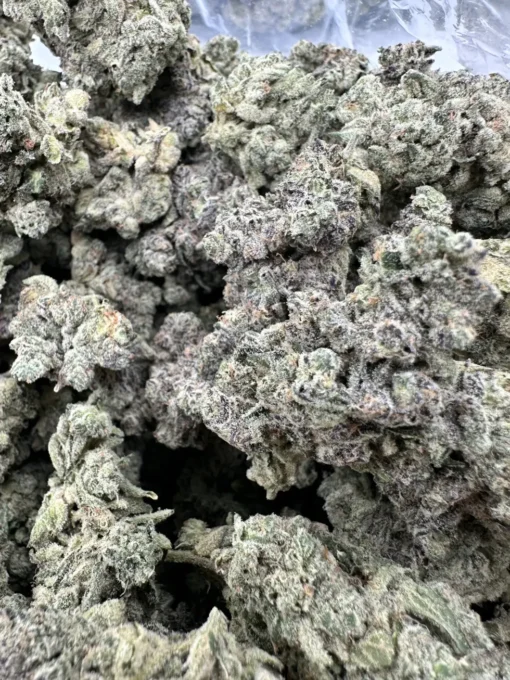
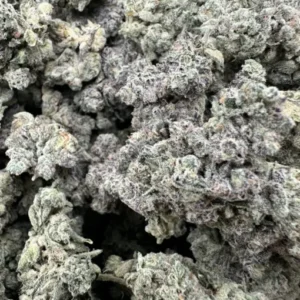
Appearance and Quality Indicators
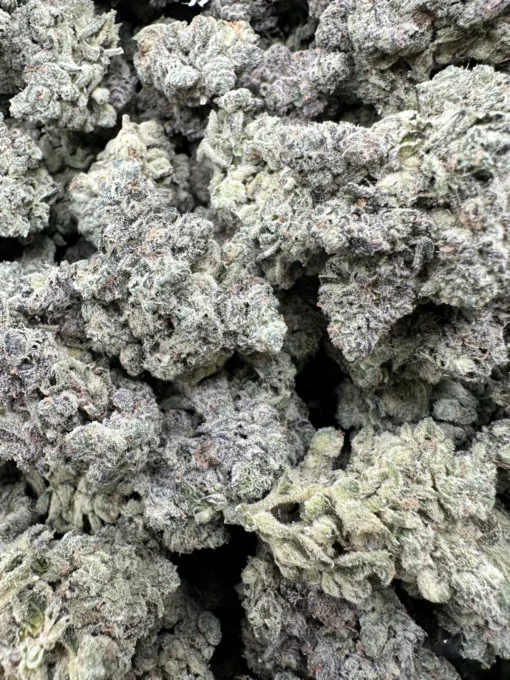
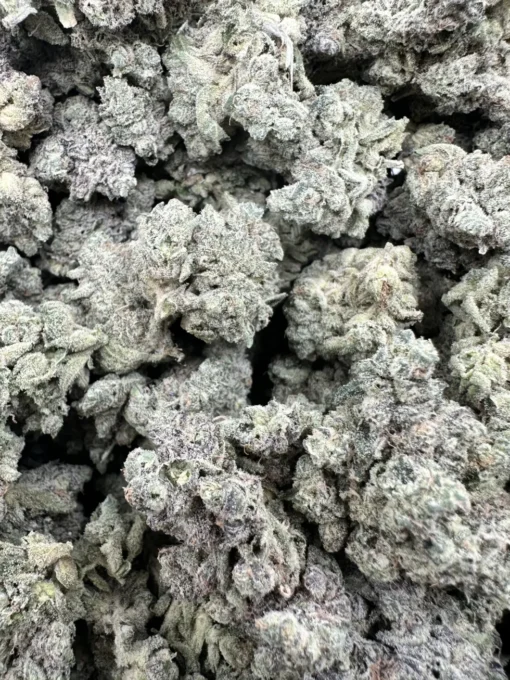
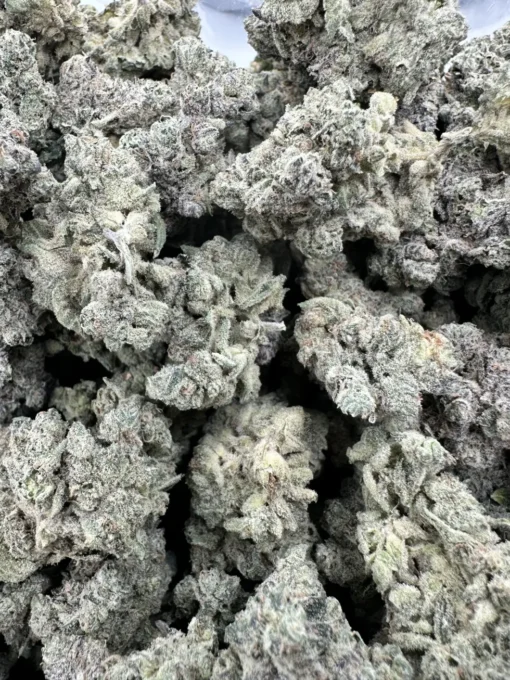
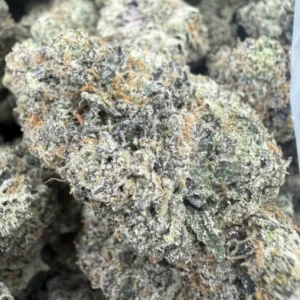
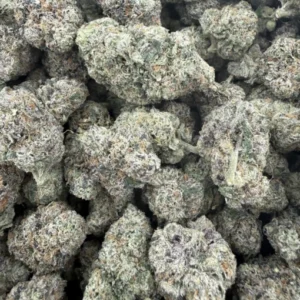
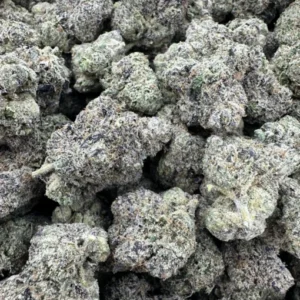
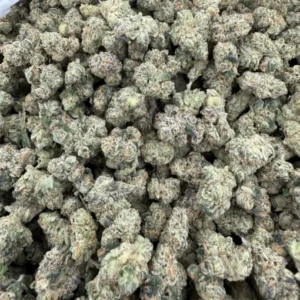
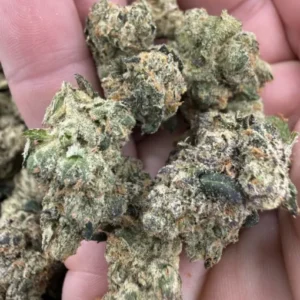
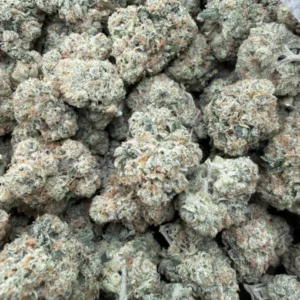
Cannabis flower is often evaluated visually.
Common characteristics include:
Color
Flowers may display:
- Green tones
- Purple tones
- Orange pistils
- Various color combinations
Trichome Coverage
Visible trichomes can give flowers a frosted appearance.
Structure
Cultivars vary in:
- Density
- Shape
- Flower size
Appearance alone does not determine chemical composition, which is why laboratory testing remains important.
Environmental Influences on Plant Development
Plant genetics interact with environmental conditions.
Factors that influence growth include:
- Light intensity
- Nutrient availability
- Water management
- Temperature
- Humidity
Even genetically identical plants may develop differently under varying environmental conditions.
This interaction between genetics and environment is known as phenotype expression.
Phenotype
Quality Control and Consistency
Commercial cannabis producers often implement quality control systems.
These systems may include:
- Genetic tracking
- Environmental monitoring
- Laboratory testing
- Standardized cultivation procedures
The goal is to produce consistent results across multiple harvest cycles.
Consistency is particularly important in regulated markets where labeling accuracy is required.
Legal and Regulatory Considerations
Cannabis regulations vary significantly worldwide.
Depending on jurisdiction, cannabis cultivation and distribution may be:
- Legal for adult use
- Restricted to medical programs
- Strictly regulated
- Prohibited entirely
Regulated systems frequently require:
- Product testing
- Licensing
- Record keeping
- Packaging standards
- Labeling compliance
Understanding local laws is essential for producers, retailers, researchers, and consumers.
Research and Future Developments
Cannabis science continues to advance rapidly.
Areas of ongoing research include:
- Genetic mapping
- Cannabinoid discovery
- Terpene analysis
- Cultivation technology
- Plant breeding methods
Researchers continue exploring how genetics influence plant chemistry and how cultivation practices affect final product characteristics.
As scientific understanding expands, cannabis breeding programs are becoming increasingly sophisticated.
Conclusion
Modern cannabis cultivars are the result of extensive breeding, cultivation expertise, and scientific analysis. Whether examining a specific named variety or studying cannabis genetics more broadly, understanding cannabinoids, terpenes, phenotype expression, cultivation methods, and laboratory testing provides a more complete picture of how cannabis plants are developed and evaluated.
Today’s cannabis industry relies heavily on agricultural science, quality control, and analytical testing to understand and characterize plant varieties. While cultivar names may attract attention, the true foundation of cannabis quality lies in genetics, cultivation practices, chemical composition, and rigorous testing standards.
Be the first to review “Ashy Crack – 1/4 LB | Bred by 42”
Related products
flower
Reviews
There are no reviews yet.