
Zuyaqui Smalls – 1/4 Premium Flower
$550.00
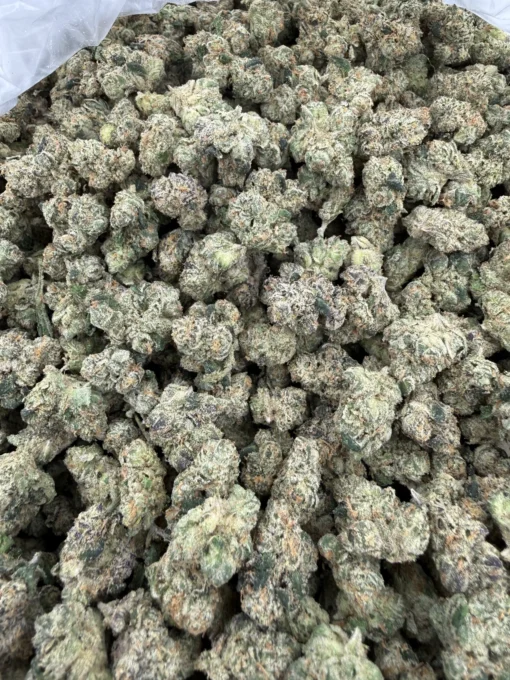
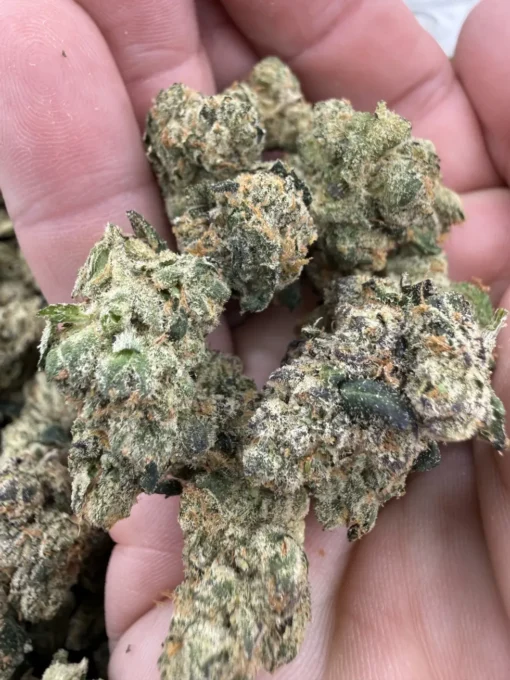
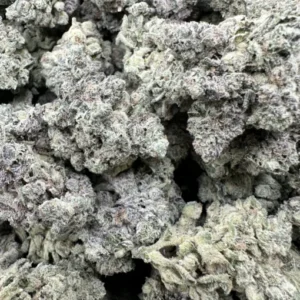
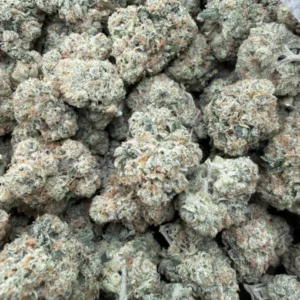
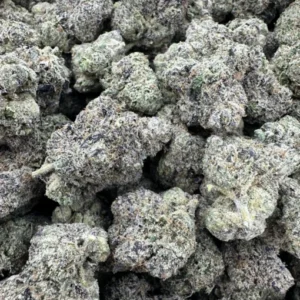
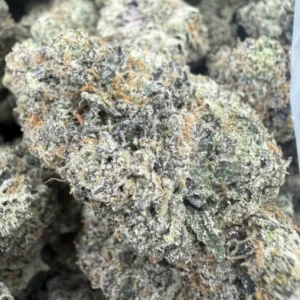
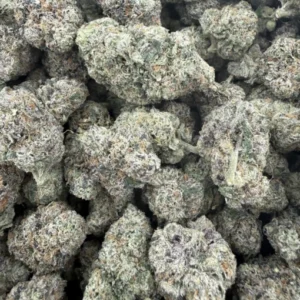
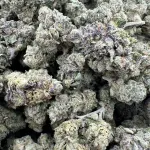
Zuyaqui smalls flower is that greasy, desert-cream gas you don’t forget. Frosted nugs with dark leaf contrast, loud nose, and a smoke that leaves white ash and a thick oil ring.
Key Features
-
Lineage & Breeder: Dawg Walker x Horchata – Bred by Wyeast Farms
-
Cultivated By: Neptune Pharms
-
Terps: Creamy gas, sweet spice, earthy funk
-
Available: 1/4 LB
-
Potency: Connoisseur grade THCA flower
Understanding Cannabis Smalls: Flower Structure, Cultivation, Quality Assessment, and Modern Cannabis Science
In modern cannabis cultivation, flowers are often categorized according to size, structure, appearance, and harvest characteristics. One category frequently discussed within the cannabis industry is known as “smalls.” Smalls are cannabis flowers that are typically smaller in size than larger premium buds harvested from the same plant.
Although flower size often attracts attention in commercial markets, size alone does not determine the overall quality, cannabinoid content, terpene profile, or cultivation standards associated with a cannabis crop. In fact, small flowers frequently originate from the same harvest as larger flowers and may share many of the same chemical and genetic characteristics.
Understanding cannabis smalls requires examining how cannabis plants grow, how flowers develop, how cultivators evaluate quality, and how laboratory testing is used to analyze cannabis products.
Cannabis Plant Structure
Cannabis is a flowering plant with a complex growth pattern.
As plants mature, they develop:
- Main stems
- Side branches
- Leaves
- Flowers
- Trichomes
The distribution of light throughout the plant influences how flowers develop.
Flowers growing near the top of the canopy often receive greater light exposure, while flowers developing lower on the plant may receive less direct light.
This natural variation contributes to differences in flower size and density throughout a harvest.
What Are Cannabis Smalls?
Cannabis smalls generally refer to flowers that are smaller than the largest buds harvested from a plant.
Cannabis smalls
These flowers may develop:
- On lower branches
- In shaded areas of the canopy
- In naturally compact growth zones
Smalls are not necessarily a separate cultivar or a different plant type.
Instead, they are usually smaller flowers originating from the same cultivation cycle as larger flowers.
Because they come from the same plant, smalls often share many of the same genetic and chemical characteristics as larger buds.
The Role of Genetics
The development of cannabis flowers begins with genetics.
Selective breeding
Breeders select parent plants to preserve characteristics such as:
- Growth structure
- Flower production
- Aroma expression
- Resin development
- Environmental resilience
- Cannabinoid production
Different cultivars naturally produce different flower structures.
Some cultivars generate large, dense flowers, while others produce smaller or more compact flower formations.
Genetics establish the foundation upon which environmental conditions act.
Phenotype Expression
Cannabis plants express traits through a process known as phenotype development.
Phenotype
Phenotypes include:
- Plant height
- Branching patterns
- Flower size
- Coloration
- Aroma
- Resin production
Even genetically similar plants may display different characteristics under different environmental conditions.
This explains why flower size can vary significantly within the same cultivation batch.
Cannabinoids and Plant Chemistry
Cannabis produces a diverse group of compounds known as cannabinoids.
Scientists have identified more than one hundred cannabinoids within cannabis plants.
THC
Tetrahydrocannabinol
THC is one of the most commonly measured cannabinoids during laboratory analysis.
CBD
Cannabidiol
CBD is another major cannabinoid that has become a significant area of scientific research.
Minor Cannabinoids
Researchers continue studying compounds such as:
- CBG
- CBC
- CBN
- THCV
These compounds contribute to the chemical diversity of cannabis plants.
Terpenes and Aromatic Compounds
One of the defining characteristics of cannabis cultivars is their terpene profile.
Terpene
Terpenes are naturally occurring aromatic compounds found throughout nature.
They occur in:
- Citrus fruits
- Pine trees
- Herbs
- Flowers
- Cannabis plants
Common aroma categories include:
Citrus Notes
Associated with certain aromatic compounds.
Fruity Notes
Common among modern hybrid cultivars.
Earthy Notes
Frequently observed across numerous cannabis varieties.
Floral Notes
Produced through complex terpene interactions.
Herbal Notes
Found in many naturally occurring plant species.
Terpene composition plays a major role in cultivar identification and quality evaluation.
Trichomes and Resin Production
Cannabis flowers are covered with specialized structures called trichomes.
Trichome
Trichomes are responsible for producing many of the compounds found within cannabis, including:
- Cannabinoids
- Terpenes
- Aromatic compounds
Under magnification, trichomes resemble tiny crystal-like glands.
The presence and maturity of trichomes are often evaluated during cultivation and harvesting.
Importantly, small flowers can still contain substantial trichome coverage.
Indoor Cultivation
Indoor cultivation allows growers to carefully control environmental conditions.
Variables commonly managed include:
- Temperature
- Humidity
- Airflow
- Lighting
- Carbon dioxide levels
Potential advantages include:
- Consistency
- Environmental stability
- Reduced weather exposure
- Greater crop management control
Indoor cultivation is often used to produce highly standardized crops.
Greenhouse Cultivation
Greenhouses combine natural sunlight with controlled growing environments.
Benefits may include:
- Sunlight utilization
- Protection from weather
- Improved energy efficiency
- Greater environmental control
Greenhouse systems are increasingly common in commercial cannabis agriculture.
Outdoor Cultivation
Outdoor cultivation relies primarily on natural environmental conditions.
Potential advantages include:
- Reduced energy consumption
- Large-scale production capability
- Natural sunlight exposure
Outdoor plants experience direct interaction with environmental variables such as weather and seasonal changes.
These factors can influence flower size and structure.
Environmental Influences on Flower Development
Several environmental factors influence flower growth.
Light Exposure
Light distribution significantly affects flower development.
Flowers receiving greater light exposure often grow larger.
Nutrient Availability
Balanced nutrition supports healthy plant growth.
Water Management
Proper irrigation contributes to overall plant performance.
Temperature
Temperature influences plant metabolism and development.
Humidity
Humidity levels affect plant health and flower formation.
These variables interact with genetics to shape the final harvest.
Harvesting and Post-Harvest Processing
Quality management continues after cultivation.
Harvest Timing
Growers evaluate:
- Flower maturity
- Trichome development
- Plant condition
Drying
Harvested flowers are dried under controlled conditions.
The drying process helps preserve:
- Moisture balance
- Chemical stability
- Structural integrity
Curing
Curing involves controlled storage of dried flowers.
Goals may include:
- Moisture stabilization
- Aroma preservation
- Consistency maintenance
Proper post-harvest handling contributes significantly to product quality.
Laboratory Testing
Modern cannabis industries rely heavily on laboratory analysis.
Testing may evaluate:
Cannabinoid Content
Including:
- THC
- CBD
- Minor cannabinoids
Terpene Profiles
Advanced analysis identifies aromatic compounds.
Contaminant Screening
Testing may include:
- Heavy metals
- Pesticides
- Microbial contaminants
- Residual solvents
Laboratory testing provides objective information about cannabis products.
Quality Assessment Beyond Size
A common misconception is that larger flowers automatically indicate higher quality.
In reality, quality assessment typically considers multiple factors.
Appearance
Including:
- Color
- Structure
- Trichome coverage
Aroma
Terpene expression contributes significantly to evaluation.
Laboratory Results
Chemical analysis provides objective measurements.
Consistency
Commercial producers often seek uniform quality throughout a harvest.
Flower size represents only one aspect of a much larger quality assessment process.
Legal and Regulatory Considerations
Cannabis laws vary significantly between jurisdictions.
Depending on location, cannabis cultivation and distribution may be:
- Legal for adult use
- Limited to medical programs
- Heavily regulated
- Prohibited
Regulated markets commonly require:
- Product testing
- Packaging standards
- Labeling compliance
- Licensing requirements
- Quality assurance procedures
Understanding applicable laws remains essential for growers, businesses, researchers, and consumers.
Conclusion
Cannabis smalls are an important part of modern cannabis cultivation and represent smaller flowers harvested from the same plants as larger buds. While size often influences market categorization, it does not fully determine quality, cannabinoid content, terpene composition, or cultivation standards.
Understanding cannabis smalls requires knowledge of plant genetics, phenotype expression, trichome development, environmental influences, laboratory testing, and post-harvest processing. Through scientific analysis and agricultural expertise, cultivators continue to improve understanding of how cannabis plants develop and how flower quality is evaluated across modern cultivation systems.
Be the first to review “Zuyaqui Smalls – 1/4 Premium Flower”
Related products
flower
Reviews
There are no reviews yet.