
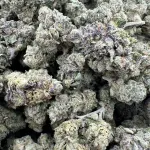
Bubblegum Gelato – 1/4 LB (Comes with bags)
$400.00
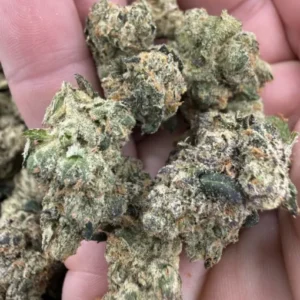
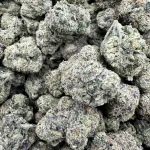
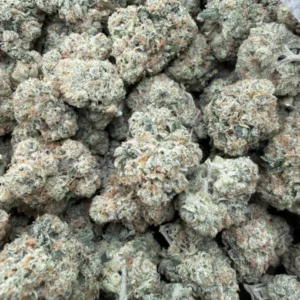
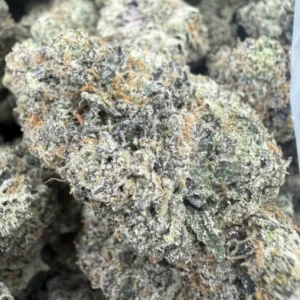
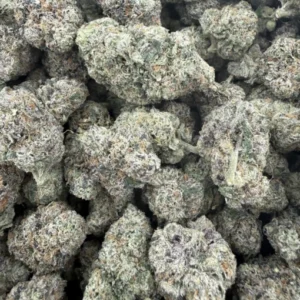
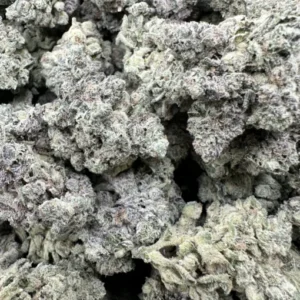
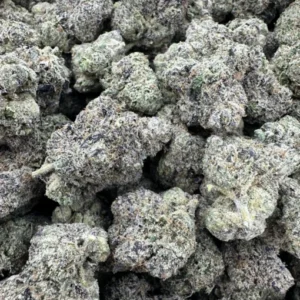
Bubblegum Gelato with real candy nose and real structure. Sweet pink gum up front, creamy gas behind it, dense frosted stacks, and it comes with the official bags in 1/4 LB units.
Key Features:
-
Lineage & Breeder: Gelato #45 x Indiana Bubblegum (Backpack Boyz)
-
Terps: Limonene, Caryophyllene, Myrcene
-
Flowering Time / Yield: 8–9 Weeks / Medium-Heavy
-
Potency: High THCA
-
Cultivated by: Farmilia
-
Available: 1/4 LB Units (Includes Branded Bags)
Bubblegum Gelato Cannabis Cultivar: Genetics, Terpenes, Cultivation, and Modern Cannabis Science
Bubblegum Gelato is a cannabis cultivar associated with the growing trend of modern hybrid cannabis breeding. Contemporary cannabis cultivars are developed through years of selective breeding and phenotype selection, allowing cultivators to combine desirable characteristics from multiple parent plants into a single variety.
Today, cannabis breeding is far more sophisticated than it was decades ago. Modern growers use agricultural science, environmental controls, laboratory testing, and genetic selection to create cultivars with distinctive growth characteristics, aroma profiles, cannabinoid compositions, and visual traits.
Bubblegum Gelato belongs to a category of hybrid cultivars that illustrate how cannabis genetics have evolved through careful breeding and cultivation practices. Understanding this cultivar requires exploring the science behind cannabis plants, including genetics, terpenes, cannabinoids, cultivation methods, and quality assessment.
Understanding Cannabis Genetics
Cannabis is a highly diverse plant species with a long cultivation history. Modern cultivars are generally produced through controlled breeding programs.
Selective breeding
Selective breeding allows cultivators to combine characteristics from parent plants, including:
- Plant structure
- Growth rate
- Flower development
- Aroma expression
- Resin production
- Environmental adaptability
- Cannabinoid composition
Breeding programs often require multiple generations before desired traits become stable and predictable.
Most modern cannabis cultivars are hybrids, meaning they inherit characteristics from several ancestral genetic lines.
The Importance of Hybrid Cultivars
Hybrid cannabis cultivars have become the dominant category within modern cannabis agriculture.
A hybrid cultivar may be developed to achieve goals such as:
- Improved consistency
- Unique terpene combinations
- Strong environmental performance
- Distinctive visual appearance
- Balanced growth characteristics
Hybridization increases genetic diversity and allows breeders to experiment with new combinations of traits.
Bubblegum Gelato is generally considered part of this broader trend of modern hybrid cannabis development.
What Is a Phenotype?
One of the most important concepts in cannabis cultivation is phenotype expression.
Phenotype
A phenotype represents the visible and measurable traits expressed by a plant.
Examples include:
- Height
- Branching pattern
- Flower density
- Coloration
- Resin production
- Aroma
Even plants with similar genetics can display different phenotypes when grown under different environmental conditions.
Because of this, cultivators often select specific phenotypes that best represent the characteristics they wish to preserve.
Cannabinoids and Cannabis Chemistry
Cannabis plants produce a wide variety of naturally occurring compounds called cannabinoids.
Scientists have identified more than one hundred cannabinoids within cannabis.
THC
Tetrahydrocannabinol
THC is one of the most widely recognized cannabinoids and is commonly measured during laboratory testing.
CBD
Cannabidiol
CBD has become the subject of extensive scientific research and is another major cannabinoid found in cannabis plants.
Minor Cannabinoids
Other cannabinoids include:
- CBG
- CBC
- CBN
- THCV
Researchers continue exploring the biological roles and chemical properties of these compounds.
Terpenes and Aroma Profiles
A major factor distinguishing cannabis cultivars is their terpene composition.
Terpene
Terpenes are naturally occurring compounds responsible for many plant aromas.
They are found throughout nature in:
- Fruits
- Flowers
- Herbs
- Trees
- Cannabis plants
Common terpene categories include:
Sweet Aromas
Associated with fruit-like and candy-like scent profiles.
Citrus Aromas
Often linked to limonene-containing plants.
Floral Aromas
Produced through complex terpene combinations.
Earthy Aromas
Common among many cannabis cultivars.
Herbal Aromas
Found across numerous plant species.
Terpenes contribute significantly to cultivar identification and sensory evaluation.
Trichomes and Resin Production
Cannabis flowers produce specialized structures known as trichomes.
Trichome
Trichomes appear as tiny crystal-like glands covering flower surfaces.
These structures are responsible for producing:
- Cannabinoids
- Terpenes
- Aromatic compounds
The density and maturity of trichomes are often used by cultivators to assess plant development and harvest timing.
Under magnification, trichomes reveal the intricate biological systems responsible for cannabis chemistry.
Cultivation Environments
Cannabis cultivars such as Bubblegum Gelato may be grown in a variety of agricultural settings.
Indoor Cultivation
Indoor facilities provide complete environmental control.
Growers can regulate:
- Temperature
- Humidity
- Lighting schedules
- Airflow
- Carbon dioxide levels
Benefits often include:
- Consistent growing conditions
- Predictable plant development
- Reduced environmental variability
Greenhouse Cultivation
Greenhouses combine natural sunlight with environmental management.
Advantages may include:
- Improved energy efficiency
- Protection from severe weather
- Greater control compared to outdoor cultivation
Outdoor Cultivation
Outdoor cultivation relies primarily on natural environmental conditions.
Potential advantages include:
- Natural sunlight
- Large-scale production capacity
- Reduced energy usage
Environmental factors can create greater variation between harvests.
Environmental Influences on Growth
Plant genetics interact continuously with environmental conditions.
Important influences include:
- Light intensity
- Water availability
- Nutrient levels
- Temperature
- Humidity
Even genetically similar plants may display different growth characteristics when exposed to different environments.
This interaction between genetics and environmental conditions is a fundamental principle of agricultural science.
Harvesting and Post-Harvest Processing
The cultivation cycle continues beyond plant growth.
Harvest Timing
Growers evaluate several indicators before harvesting.
These may include:
- Flower maturity
- Trichome development
- Laboratory cannabinoid analysis
Drying
Fresh flowers are dried under controlled conditions to reduce moisture content.
Drying helps preserve:
- Structural integrity
- Chemical stability
- Product consistency
Curing
Curing is a controlled storage process designed to stabilize harvested flowers.
Potential goals include:
- Moisture balance
- Aroma preservation
- Long-term storage stability
Proper post-harvest processing contributes significantly to final product quality.
Laboratory Testing
Scientific testing has become a cornerstone of modern cannabis industries.
Laboratories may analyze:
Cannabinoid Content
Including:
- THC
- CBD
- Minor cannabinoids
Terpene Profiles
Advanced analytical techniques can identify dozens of individual terpenes.
Contaminant Screening
Testing may include:
- Heavy metals
- Pesticides
- Microbial contaminants
- Residual solvents
Laboratory verification improves transparency and helps ensure compliance with regulatory standards.
Quality Assessment
Cannabis flowers are evaluated using multiple criteria.
Appearance
Assessments may include:
- Coloration
- Density
- Trichome coverage
- Structural uniformity
Aroma
Terpene expression contributes significantly to a cultivar’s sensory profile.
Laboratory Results
Objective measurements provide detailed information about chemical composition.
Consistency
Commercial producers often focus on producing consistent results across multiple harvests.
Quality assessment combines both visual inspection and scientific analysis.
Legal and Regulatory Considerations
Cannabis regulations vary considerably across jurisdictions.
Depending on local laws, cannabis cultivation and distribution may be:
- Legal for adult use
- Restricted to medical programs
- Highly regulated
- Prohibited
Regulated systems often require:
- Licensing
- Laboratory testing
- Packaging standards
- Labeling compliance
- Record keeping
Understanding applicable laws is important for cultivators, researchers, businesses, and consumers.
Future Directions in Cannabis Research
Cannabis science continues to evolve rapidly.
Researchers are exploring:
- Genetic mapping
- Terpene biosynthesis
- Cannabinoid production pathways
- Sustainable cultivation methods
- Advanced breeding technologies
These developments may improve consistency, efficiency, and understanding of cannabis plants in the years ahead.
Conclusion
Bubblegum Gelato represents a modern hybrid cannabis cultivar shaped by selective breeding, environmental management, and agricultural science. Like many contemporary cultivars, its characteristics are influenced by genetics, phenotype expression, terpene composition, cannabinoid production, cultivation practices, and post-harvest processing.
Understanding cannabis from a scientific perspective provides valuable insight into how cultivars are developed and evaluated. While cultivar names often attract attention, the true foundations of cannabis quality lie in genetics, cultivation expertise, laboratory testing, and ongoing scientific research.
Be the first to review “Bubblegum Gelato – 1/4 LB (Comes with bags)”
Related products
flower
Reviews
There are no reviews yet.