
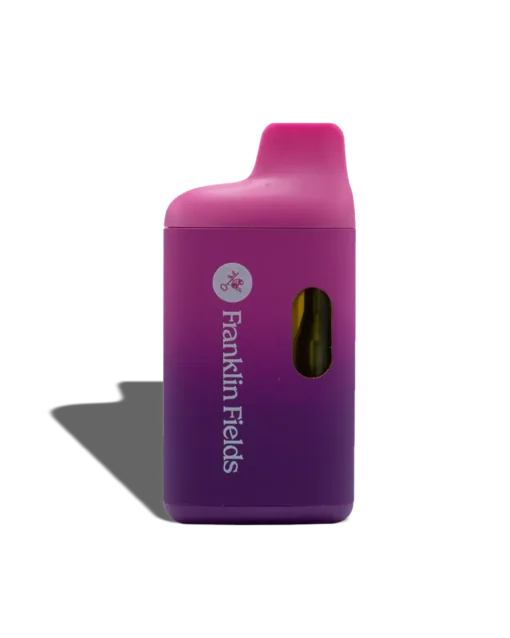
Penjamin Gas Berry Live Resin Disposable Cart 1g

$30.00
Live resin is a cannabis concentrate that has attracted significant attention within the cannabis industry due to its unique production process and emphasis on preserving naturally occurring plant compounds. While cannabis laws vary considerably across different regions, understanding the science behind live resin and vaporizer technology can provide useful educational insight into modern cannabis processing methods.
Understanding Live Resin, Terpenes, and Disposable Vaporizer Technology
Live resin is a cannabis concentrate that has attracted significant attention within the cannabis industry due to its unique production process and emphasis on preserving naturally occurring plant compounds. While cannabis laws vary considerably across different regions, understanding the science behind live resin and vaporizer technology can provide useful educational insight into modern cannabis processing methods.
What Is Live Resin?
Live resin is a type of cannabis concentrate produced using plant material that is frozen shortly after harvest. This preservation method is designed to retain a greater portion of the plant’s original chemical profile compared with some traditional drying and curing processes.
The goal of live resin production is to maintain the naturally occurring compounds found within the cannabis plant, particularly terpenes and cannabinoids. These compounds contribute to the plant’s aroma, flavor characteristics, and overall chemical composition.
The Importance of Terpenes
Terpenes are aromatic compounds found throughout nature. They occur in flowers, fruits, herbs, trees, and many other plant species. In cannabis, terpenes are responsible for many of the distinctive aromas associated with different varieties.
Common terpenes found in cannabis include:
Myrcene
Myrcene is one of the most frequently encountered cannabis terpenes. It is also present in hops, lemongrass, and mangoes.
Limonene
Limonene contributes citrus-like aromas and is commonly found in lemons, oranges, and other citrus fruits.
Caryophyllene
Caryophyllene contributes spicy and pepper-like aromas. It can also be found in cloves and black pepper.
Pinene
Pinene is associated with fresh pine aromas and occurs naturally in conifer trees and various herbs.
The interaction of multiple terpenes creates the diverse aroma profiles associated with cannabis varieties.
Understanding Cannabinoids
Cannabinoids are chemical compounds naturally produced by cannabis plants. Researchers continue to study cannabinoids and their interactions within the plant and the human body.
Different cannabis varieties may contain different cannabinoid profiles depending on genetics, cultivation methods, and environmental factors.
How Live Resin Is Produced
The production of live resin begins shortly after harvesting cannabis plants. Rather than allowing the plant material to undergo a traditional drying process, cultivators freeze the material to preserve its chemical composition.
The frozen material is then processed using specialized extraction methods designed to isolate desired compounds while maintaining product consistency and quality.
Extraction methods and manufacturing standards vary among producers and regulatory jurisdictions.
Cannabis Concentrates
Cannabis concentrates represent a broad category of products created by extracting compounds from cannabis plant material.
Examples of concentrate categories may include:
- Live resin
- Rosin
- Distillate
- Wax
- Shatter
- Sauce
Each concentrate type differs in production method, consistency, and chemical profile.
Quality Control in Cannabis Manufacturing
Modern cannabis manufacturing facilities often implement quality assurance procedures to support consistency and compliance with regulatory requirements.
Quality control programs may include:
- Raw material evaluation
- Production monitoring
- Laboratory testing
- Packaging verification
- Product traceability
Testing requirements vary depending on local laws and regulations.
What Is a Disposable Vaporizer?
A disposable vaporizer is a self-contained electronic device designed to vaporize a liquid formulation. Disposable systems integrate several components into a single unit, eliminating the need for separate batteries or refillable reservoirs.
These devices are commonly used because of their portability and convenience.
Main Components of a Disposable Vaporizer
Battery
The battery supplies power to the device and supports the heating process.
Reservoir
The reservoir contains the liquid formulation intended for vaporization.
Heating Element
The heating element converts electrical energy into heat.
Airflow System
The airflow system directs vapor through the device toward the mouthpiece.
Mouthpiece
The mouthpiece serves as the outlet through which vapor exits the device.
How Vaporization Works
When activated, the battery supplies power to the heating element. The heating element raises the temperature of the liquid contained in the reservoir.
As the liquid warms, it is converted into an aerosol or vapor. This vapor travels through the airflow pathway and exits through the mouthpiece.
Modern vaporization technology aims to provide efficient heating and consistent performance.
Advances in Vaporizer Technology
The vaporization industry has introduced numerous innovations in recent years.
Examples include:
- Ceramic heating systems
- Improved airflow design
- Leak-resistant construction
- Enhanced battery efficiency
- Temperature management systems
These developments are intended to improve reliability and user experience.
Proper Storage Practices
Storage conditions can influence product stability and device performance.
General recommendations include:
- Store products upright.
- Avoid excessive heat.
- Protect products from direct sunlight.
- Follow manufacturer instructions.
- Keep devices in a dry environment.
Appropriate storage practices help preserve functionality and product integrity.
Laboratory Testing and Consumer Safety
In regulated markets, cannabis products may undergo laboratory testing before reaching consumers.
Testing programs may evaluate:
- Cannabinoid content
- Terpene composition
- Residual solvents
- Heavy metals
- Microbial contaminants
Testing standards differ among jurisdictions and regulatory agencies.
Cannabis Regulations
Cannabis laws vary widely across countries, states, and regions. Some jurisdictions permit medical cannabis use, some permit adult-use markets, and others continue to prohibit cannabis products entirely.
Individuals should always consult applicable local regulations before purchasing, possessing, or using cannabis-related products.
Conclusion
Live resin represents an important development in cannabis extraction technology due to its focus on preserving naturally occurring plant compounds. Understanding live resin production, terpene science, cannabinoid chemistry, and disposable vaporizer technology provides valuable educational insight into the modern cannabis industry. As research and regulations continue to evolve, education remains an essential tool for understanding the science and technology behind cannabis-derived products.
Be the first to review “Penjamin Gas Berry Live Resin Disposable Cart 1g”
Related products
Reviews
There are no reviews yet.