
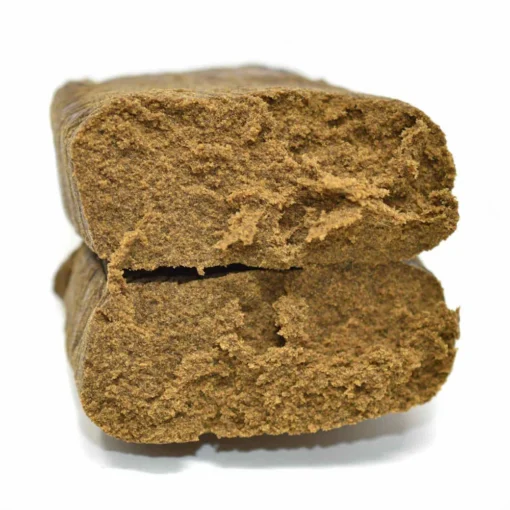
Moroccan Hash – Traditional Cannabis Concentrate (Educational Guide)
Moroccan hash is one of the most historically recognized forms of cannabis concentrate in the world. It is a resin-based product made by collecting and compressing the sticky resin glands (trichomes) from cannabis plants. These trichomes contain most of the plant’s active compounds, including cannabinoids and aromatic terpenes.
Unlike modern laboratory extracts that use chemical or mechanical processing, traditional Moroccan hash is typically produced using manual, physical methods that have been passed down through generations.
It is important to understand that “Moroccan hash” is both a cultural reference and a production style, rather than a single standardized product. The quality, appearance, and composition can vary widely depending on region, technique, and processing methods.
What Is Hashish?
Hashish is a concentrated form of cannabis made by separating and compressing resin glands from the plant.
Hashish
These resin glands, called trichomes, are small crystalline structures found on cannabis flowers. They contain:
- Cannabinoids (such as THC and CBD)
- Terpenes (aromatic compounds)
- Small amounts of plant waxes and oils
When collected and pressed together, they form a dense, resin-rich material known as hashish.
Hashish is one of the oldest known cannabis preparations, with documented use across North Africa, the Middle East, and South Asia for centuries.
Morocco’s Role in Hash Production
Morocco is one of the most important historical regions for traditional hash production.
Morocco
In the Rif Mountains of northern Morocco, cannabis cultivation has long been part of rural agricultural life. The region’s climate, altitude, and soil conditions support cannabis growth, making it a natural center for resin production.
Moroccan hash is traditionally known for:
- Dry-sieving techniques
- Sun-dried cannabis plants
- Hand-processed resin collection
- Pressed blocks or slabs of hash
While Morocco is strongly associated with hash production, it is important to note that modern global labeling often uses “Moroccan hash” as a style or heritage reference, and not all products with this name originate from Morocco.
How Moroccan Hash Is Traditionally Made
The traditional production of Moroccan hash relies on physical separation methods rather than chemical extraction.
1. Cultivation and Harvesting
Cannabis plants are grown and harvested when resin production is at its peak, typically near the flowering stage.
2. Drying the Plant Material
After harvest, plants are dried carefully. This step reduces moisture and helps preserve the trichomes for separation.
3. Dry Sieving Process
One of the most important steps is dry sieving:
- Dried cannabis is placed over fine mesh screens
- The plant material is gently agitated or rubbed
- Trichomes fall through the mesh as a fine powder
This powder is known as kief, which is mostly composed of resin glands.
4. Collection of Resin Powder
The collected kief is gathered and sorted. Higher-quality material is cleaner and contains fewer plant particles.
5. Pressing Into Hash
The kief is then pressed under heat and pressure to form solid blocks or soft resin sheets. This step helps bind the trichomes together.
6. Aging and Curing
Some traditional hash is stored for a period of time to improve texture, aroma, and consistency.
What Makes Moroccan Hash Unique
Moroccan hash is often recognized for its:
- Dry-sift origin method
- Pressed, compact texture
- Earthy, herbal aroma profile
- Range of colors from light golden to dark brown
The variation in appearance and quality depends heavily on:
- Mesh size used in sieving
- Cleanliness of plant material
- Pressing technique
- Storage conditions
Traditional methods focus more on craftsmanship than industrial standardization.
Chemical Composition of Hash
Hashish contains concentrated plant compounds extracted from cannabis trichomes.
These include:
- Cannabinoids (THC, CBD, and others)
- Terpenes (aromatic compounds responsible for scent and flavor)
- Plant waxes and lipids (in varying amounts)
The exact chemical profile depends on:
- Plant genetics
- Growing environment
- Harvest timing
- Processing method
- Storage conditions
Modern cannabis science emphasizes chemical composition rather than traditional naming systems when evaluating effects and properties.
Traditional vs Modern Hash Production
There are key differences between traditional Moroccan hash and modern hash products.
Traditional Moroccan Hash
- Made using dry-sieving techniques
- Hand-processed in many cases
- Sun-dried cannabis used
- Minimal equipment
- Regional craftsmanship-based production
Modern Hash Products
- May use ice-water extraction or mechanical separation
- Produced in controlled facilities
- Subject to laboratory testing (in regulated markets)
- Standardized packaging and labeling
- Higher consistency in composition
Both types are part of the broader category of cannabis concentrates, but they differ significantly in production method and regulation.
Texture and Quality Indicators
In traditional hash culture, quality is often judged using sensory evaluation.
Common indicators include:
1. Texture
Soft or pliable hash is often considered more refined, while dry or brittle forms may indicate different processing methods.
2. Color
- Light golden tones may indicate cleaner resin separation
- Darker tones may suggest more plant material or aging
3. Aroma
Stronger and more complex aromas are often associated with higher terpene retention.
4. Purity
Higher-quality hash typically contains fewer plant contaminants and more resin glands.
These indicators are traditional and not standardized laboratory measurements.
Storage and Stability
Hashish is sensitive to environmental conditions.
Key factors affecting quality include:
- Heat exposure (can soften or degrade resin)
- Oxygen exposure (can cause oxidation)
- Light exposure (can break down compounds)
- Moisture imbalance (can affect texture and stability)
Proper storage helps preserve aroma, texture, and chemical integrity over time.
Cultural Importance of Moroccan Hash
Moroccan hash is deeply connected to regional history and agricultural practices.
It represents:
- Generational farming traditions
- Rural economic activity
- Cultural craftsmanship
- Historical trade routes across North Africa and Europe
In many discussions, Moroccan hash is seen not just as a product, but as part of a long-standing cultural heritage.
Legal Considerations
Cannabis laws vary significantly worldwide.
Depending on jurisdiction, cannabis and hashish may be:
- Fully legal for adult use
- Legal for medical use only
- Restricted or controlled
- Completely illegal
Because of this, the legal status of hash products depends entirely on local laws and regulations.
Market Labeling and Misconceptions
Modern cannabis markets often use traditional names for branding purposes.
Common issues include:
- “Moroccan” used as a style reference rather than origin
- Quality variations under the same name
- Lack of standardized grading systems
- Marketing terms used instead of scientific classifications
Consumers should understand that names alone do not guarantee origin or consistency.
Industry Trends
The global cannabis concentrate market continues to evolve.
Key trends include:
- Revival of traditional hash-making methods
- Improved testing standards in legal markets
- Greater emphasis on product transparency
- Increased interest in artisanal concentrates
- Expansion of resin-based product categories
These developments reflect a growing focus on quality control and education.
Conclusion
Moroccan hash is a traditional cannabis concentrate made by collecting and compressing resin glands from cannabis plants, most commonly using dry-sieving techniques developed in the Moroccan Rif region. While widely recognized for its cultural heritage and craftsmanship, it is not a standardized product category, and its quality and characteristics can vary widely.
Understanding Moroccan hash requires knowledge of trichome extraction, traditional production methods, chemical composition, cultural context, and legal frameworks. As cannabis industries evolve, education and transparency remain essential for accurately interpreting traditional concentrates.
Be the first to review “Moroccan Hash | Traditional Cannabis Concentrate”
Related products
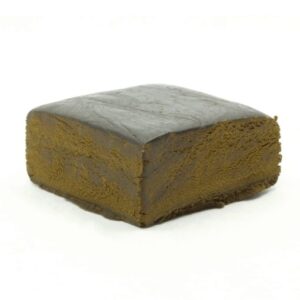
concentrates
concentrates
concentrates
concentrates
concentrates
concentrates
concentrates
concentrates
Reviews
There are no reviews yet.