
Mushroom Chocolate Bar – Educational Overview
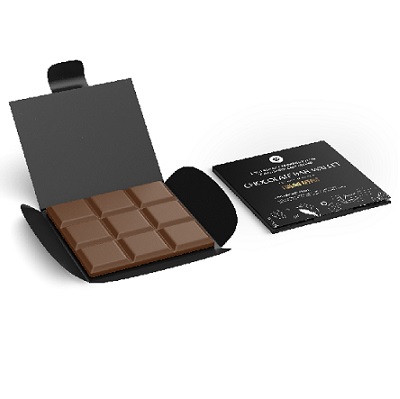
A mushroom chocolate bar is a type of chocolate product that contains mushroom-based ingredients, usually in the form of powder or extract mixed into chocolate. These products are sold in different markets worldwide and can range from functional wellness chocolates (legal dietary products) to unregulated novelty edibles depending on the ingredients used and the region where they are sold.
Because the term is broad, “mushroom chocolate bar” does not refer to one specific product type. Instead, it describes a category that includes multiple formulations, purposes, and legal classifications.
What a Mushroom Chocolate Bar Is
At its simplest, a mushroom chocolate bar is:
- Chocolate (milk, dark, or white)
- Combined with mushroom extract or mushroom powder
- Formed into a bar or segmented pieces
The mushrooms used can vary widely, and this difference is what determines whether the product is considered a functional food supplement or something else entirely.
Functional Mushroom Chocolate (Legal Wellness Category)
Most regulated mushroom chocolate bars on the market contain functional mushrooms, such as:
- Lion’s Mane
- Reishi
- Cordyceps
- Chaga
These mushrooms are widely used in traditional wellness practices and modern supplement products. They are generally:
- Non-psychoactive
- Legal in many countries
- Marketed as dietary or functional ingredients
In this category, mushroom chocolate is treated more like a nutritional or wellness snack rather than a psychoactive product.
Why Mushrooms Are Added to Chocolate
Chocolate is often used as a base because:
- It masks the earthy taste of mushrooms
- It improves overall flavor and consumer appeal
- It allows easy portioning into small pieces
- It blends well with powders and extracts
This makes chocolate an ideal “carrier” for mushroom ingredients in supplement-style products.
Common Ingredients
A typical mushroom chocolate bar may include:
- Cocoa or chocolate base (milk or dark chocolate)
- Mushroom powder or extract
- Sweeteners (sugar, coconut sugar, or alternatives)
- Natural flavors (vanilla, mint, etc.)
- Emulsifiers for texture stability
- Sometimes added adaptogens or herbs
The exact formulation depends on the brand and intended use.
How Mushroom Chocolate Bars Are Made
The production process generally includes:
- Selecting mushroom species and preparing extracts or powders
- Processing cocoa into chocolate base
- Blending mushroom ingredients evenly into chocolate
- Pouring mixture into molds or bar shapes
- Cooling and solidifying
- Packaging for retail or supplement distribution
In regulated food manufacturing, this process is done under hygiene and quality control standards.
Functional Claims (Marketing Context)
Functional mushroom chocolates are often marketed as supporting:
- Focus and mental clarity (especially Lion’s Mane)
- Relaxation and stress balance (often Reishi)
- Energy and endurance (Cordyceps-based products)
- General wellness and antioxidant support (Chaga)
These are not medical claims, but general wellness descriptions used in supplement marketing.
Important Distinction: Functional vs Psychedelic Contexts
A key point of confusion is the difference between:
1. Functional mushroom chocolate (legal wellness products)
- Contains non-psychoactive mushrooms
- Sold as food or supplements
- Regulated in many regions
2. Psychedelic mushroom chocolate (unregulated or restricted products)
- May reference psilocybin-containing mushrooms
- Legally restricted in many countries
- Not standardized or approved as food
The term “mushroom chocolate bar” can be used for both, which is why context matters.
Quality and Safety Considerations
For regulated functional products, quality is usually based on:
- Ingredient transparency
- Lab testing for contaminants
- Standardized extract levels
- Proper manufacturing hygiene
- Clear labeling of mushroom type and dosage
For unregulated products, these safeguards may not exist, which creates variability in quality and safety.
Storage Guidelines
To preserve quality:
- Store in a cool, dry place
- Avoid heat and sunlight
- Keep sealed after opening
- Prevent exposure to moisture
Chocolate is sensitive to temperature changes and can lose texture or flavor if not stored properly.
Why Mushroom Chocolate Is Popular
Mushroom chocolate bars have become popular because they:
- Combine wellness trends with familiar chocolate flavor
- Offer convenient, portable supplement formats
- Appeal to people interested in functional foods
- Provide an alternative to capsules or powders
- Fit into modern “natural wellness” lifestyles
They are part of a growing global trend in functional foods.
Market Trends
The mushroom chocolate category is expanding, with trends such as:
- Organic and vegan chocolate bases
- Sugar-free or low-sugar formulations
- Adaptogen blends (multiple herbs + mushrooms)
- Premium artisan packaging
- Sustainability-focused sourcing
This reflects broader consumer interest in health-oriented confectionery.
Conclusion
A mushroom chocolate bar is a broad category of chocolate products that contain mushroom-derived ingredients. In most legal and regulated contexts, these are functional foods made with non-psychoactive mushrooms like Lion’s Mane or Reishi and are marketed as wellness-oriented snacks or supplements.
However, because the term is also used loosely in online markets, it is important to understand that not all products labeled “mushroom chocolate bar” are the same. The ingredients, legality, and safety standards depend entirely on the specific product and where it is sold.
Be the first to review “Mushroom Chocolate Bar”
Related products
Chocolate Bars
Chocolate Bars
Chocolate Bars
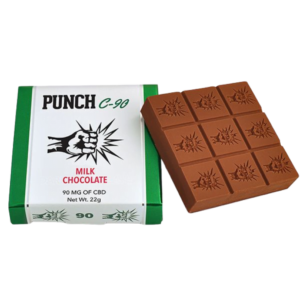
Chocolate Bars
Chocolate Bars
Chocolate Bars
Chocolate Bars
Chocolate Bars
3 reviews for Mushroom Chocolate Bar
There are no reviews yet.