
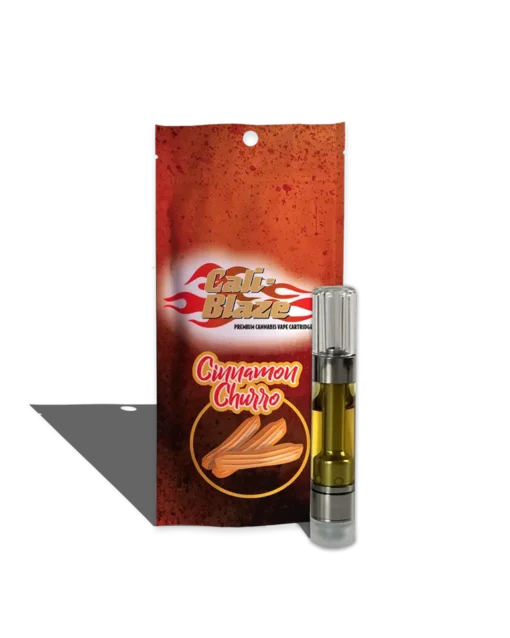
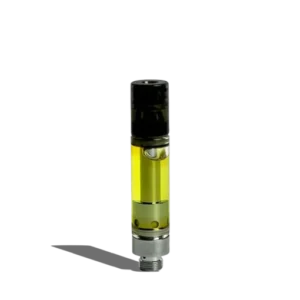
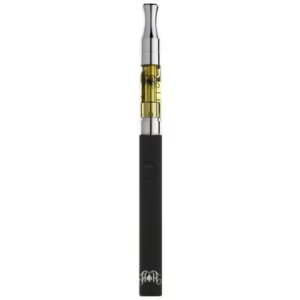
Cinnamon Churro Cart 1g
$13.00
Modern cannabis vape products often feature flavor names inspired by desserts, fruits, baked goods, and other familiar culinary profiles. These names are intended to describe aroma characteristics rather than indicate the presence of actual dessert ingredients. Products with names inspired by pastries, cinnamon treats, or sweet baked goods are generally formulated using combinations of cannabis extracts and carefully selected aromatic compounds known as terpenes.
Understanding Dessert-Inspired Cannabis Vape Formulations: Terpenes, Cannabinoids, Extraction Science, and Vaporization Technology
Introduction
Modern cannabis vape products often feature flavor names inspired by desserts, fruits, baked goods, and other familiar culinary profiles. These names are intended to describe aroma characteristics rather than indicate the presence of actual dessert ingredients. Products with names inspired by pastries, cinnamon treats, or sweet baked goods are generally formulated using combinations of cannabis extracts and carefully selected aromatic compounds known as terpenes.
Understanding how these products are developed requires knowledge of cannabis plant science, extraction technology, cannabinoid chemistry, terpene formulation, laboratory testing, and vaporization engineering. The process involves multiple scientific disciplines working together to create consistent cannabis extract products.
This article explores the science behind dessert-inspired cannabis vape formulations and the technologies involved in their production.
Cannabis Plant Chemistry
Cannabis plants contain hundreds of naturally occurring chemical compounds.
These include:
- Cannabinoids
- Terpenes
- Flavonoids
- Plant lipids
- Aromatic molecules
The interaction of these compounds contributes to the overall chemical profile of a cannabis plant.
Researchers continue studying how these compounds are produced and how they vary between cultivars.
Cannabinoids
Cannabinoids are among the most extensively studied compounds in cannabis.
Scientists have identified more than one hundred cannabinoids.
Examples include:
THC
Tetrahydrocannabinol is one of the most widely recognized cannabinoids found in cannabis plants.
CBD
Cannabidiol has become the subject of significant scientific investigation.
Minor Cannabinoids
Additional cannabinoids include:
- CBG
- CBC
- CBN
- THCV
Each cannabinoid contributes to the chemical diversity of cannabis.
Research into these compounds continues to expand.
Cannabis Genetics
The chemical composition of cannabis plants is strongly influenced by genetics.
Modern cannabis cultivars are developed through selective breeding programs.
Breeders often focus on:
- Aroma characteristics
- Resin production
- Plant structure
- Environmental adaptability
- Growth performance
- Chemical composition
Over multiple generations, breeders select plants that exhibit desired traits.
This process contributes to the wide variety of cultivars available today.
Phenotype Expression
Phenotypes are the observable traits expressed by a plant.
Examples include:
- Plant height
- Branching patterns
- Flower density
- Coloration
- Aroma
- Resin development
Environmental conditions influence phenotype expression throughout the plant lifecycle.
Factors such as temperature, humidity, nutrient availability, and light intensity can affect plant development.
As a result, genetically similar plants may display noticeable differences under varying cultivation conditions.
Terpenes and Aroma Science
Terpenes are aromatic compounds found in many plants throughout nature.
They occur in:
- Fruits
- Herbs
- Flowers
- Trees
- Spices
- Cannabis plants
Terpenes are largely responsible for the aromas associated with cannabis cultivars.
Common terpene categories include:
Sweet Aromas
Associated with dessert-inspired scent profiles.
Spicy Aromas
Found in certain herbs and spices.
Fruity Aromas
Common among many modern cannabis cultivars.
Floral Aromas
Produced by complex terpene combinations.
Earthy Aromas
Frequently observed in numerous plant species.
Terpene analysis has become an important component of cannabis research and quality assessment.
Dessert-Inspired Flavor Profiles
Dessert-inspired cannabis products often use terpene blends designed to mimic familiar aromatic experiences.
Examples may include aroma characteristics associated with:
- Cinnamon
- Vanilla
- Caramel
- Pastry-like scents
- Sweet baked goods
These flavor descriptions typically reflect terpene composition rather than actual food ingredients.
Scientists and formulators carefully select aromatic compounds to create consistent scent profiles.
Extraction Technology
Cannabis vape products contain concentrated extracts rather than raw plant material.
Extraction processes separate cannabinoids and aromatic compounds from harvested cannabis plants.
Common extraction methods include:
Carbon Dioxide Extraction
Pressurized carbon dioxide can isolate cannabinoids and terpenes.
Ethanol Extraction
Food-grade ethanol may be used to dissolve plant compounds.
Hydrocarbon Extraction
Certain systems use carefully controlled solvents to extract cannabinoids and aromatic compounds.
Each method may influence:
- Terpene retention
- Extract composition
- Product consistency
- Refinement requirements
Refinement Processes
Following extraction, cannabis oils often undergo additional refinement.
These processes may include:
- Filtration
- Winterization
- Distillation
- Purification
The objective is to improve consistency and remove unwanted plant materials.
Refinement allows manufacturers to produce extracts with predictable chemical profiles.
Distillates and Full-Spectrum Oils
Several extract categories are commonly used in vaporization products.
Distillates
Highly refined cannabinoid concentrates.
Full-Spectrum Extracts
Contain a broader range of plant compounds.
Broad-Spectrum Extracts
Preserve multiple cannabinoids while excluding selected compounds.
Each extract type possesses distinct chemical characteristics.
Vaporization Technology
Vape cartridges convert cannabis extracts into inhalable vapor.
Typical components include:
- Oil reservoir
- Heating element
- Mouthpiece
- Airflow pathway
- Battery connection
The heating element raises the temperature of the extract until vapor is produced.
Unlike combustion, vaporization relies on controlled heating rather than burning plant material.
Temperature and Compound Stability
Temperature influences:
- Vapor production
- Flavor preservation
- Terpene stability
- Device efficiency
Different compounds respond differently to heat.
Manufacturers often design devices to operate within temperature ranges intended to support consistent performance.
Laboratory Testing
Laboratory analysis is a critical component of regulated cannabis production.
Testing programs may evaluate:
Cannabinoid Content
Measurement of cannabinoid concentrations.
Terpene Profiles
Identification of aromatic compounds.
Residual Solvents
Verification of extraction-related safety standards.
Heavy Metals
Screening for contamination.
Microbial Testing
Detection of unwanted microorganisms.
Laboratory verification supports quality assurance and regulatory compliance.
Packaging and Storage
Proper packaging helps preserve extract quality.
Important considerations include protection from:
- Light
- Heat
- Moisture
- Oxygen
Storage recommendations often focus on maintaining product stability over time.
Environmental exposure may influence chemical composition and overall product quality.
Regulatory Considerations
Cannabis regulations vary widely between jurisdictions.
Depending on location, cannabis products may be:
- Legal for adult use
- Limited to medical programs
- Highly regulated
- Prohibited
Regulatory frameworks frequently require:
- Licensing
- Laboratory testing
- Packaging compliance
- Product tracking
- Quality assurance procedures
Understanding local regulations remains important for producers and consumers alike.
Future Research
Cannabis science continues to evolve rapidly.
Researchers are investigating:
- Advanced genetics
- Terpene interactions
- Sustainable cultivation methods
- Cannabinoid biosynthesis
- Improved extraction technologies
Future developments may contribute to improved consistency, transparency, and product quality throughout the cannabis industry.
Conclusion
Dessert-inspired cannabis vape formulations represent the intersection of plant science, chemistry, engineering, and manufacturing. Through selective breeding, extraction technology, terpene formulation, laboratory testing, and vaporization engineering, modern cannabis products are developed using sophisticated scientific processes.
Understanding cannabinoids, terpenes, extraction methods, vaporization systems, and quality-control procedures provides valuable insight into how these products are produced and evaluated within regulated cannabis markets.
Be the first to review “Cinnamon Churro Cart 1g”
Related products

Reviews
There are no reviews yet.