
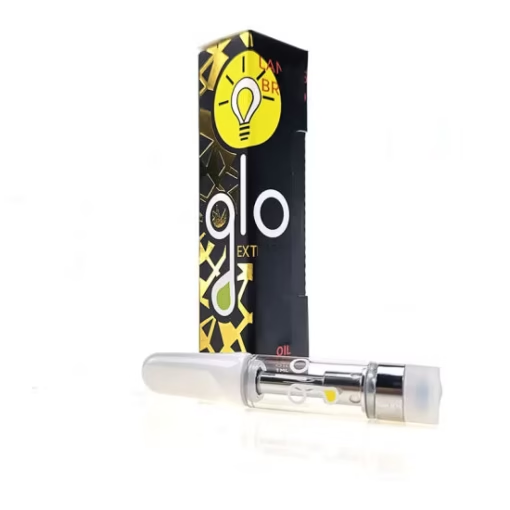
glo extracts Cartridges
$25.00
Vape cartridges have become one of the most widely recognized components of modern vaporizer systems. Designed for portability and convenience, these small devices allow users to vaporize specially formulated liquids through a compact and efficient heating process. Understanding how vape cartridges work, their components, and the safety considerations associated with them can help consumers make informed decisions.
Understanding Vape Cartridges: Design, Function, and Safety Considerations
Vape cartridges have become one of the most widely recognized components of modern vaporizer systems. Designed for portability and convenience, these small devices allow users to vaporize specially formulated liquids through a compact and efficient heating process. Understanding how vape cartridges work, their components, and the safety considerations associated with them can help consumers make informed decisions.
What Is a Vape Cartridge?
A vape cartridge is a small container that holds a liquid formulation intended for vaporization. The cartridge typically attaches to a rechargeable battery that powers a heating element inside the device. When activated, the heating element warms the liquid and converts it into vapor that can be inhaled through a mouthpiece.
Most cartridges are designed to be lightweight, portable, and easy to use. Their popularity has increased due to their convenience and compatibility with a wide range of vaporizer batteries.
Main Components of a Vape Cartridge
A typical vape cartridge consists of several key parts:
Reservoir
The reservoir is the chamber that holds the liquid. Depending on the design, it may be constructed from glass, plastic, or metal materials.
Mouthpiece
The mouthpiece is the section through which the user inhales vapor. It is designed to provide a comfortable and controlled airflow experience.
Heating Element
The heating element, often called a coil or atomizer, converts electrical energy into heat. This heat vaporizes the liquid stored in the reservoir.
Wick or Ceramic Core
Many cartridges use a wick or ceramic structure to transport liquid toward the heating element. This ensures a consistent supply of liquid during operation.
Connection Base
The connection base allows the cartridge to attach securely to a compatible battery system.
How Vape Cartridges Work
The operation of a vape cartridge is relatively simple. When the battery is activated, electricity flows to the heating element. The heating element reaches a controlled temperature and vaporizes the liquid held within the cartridge. The resulting vapor travels through airflow channels and exits through the mouthpiece.
Many modern devices include adjustable power settings, allowing users to customize their vapor production and overall experience.
Cartridge Materials and Construction
Manufacturers use a variety of materials when producing vape cartridges. Glass reservoirs are often preferred because they can help preserve liquid quality and resist chemical reactions. Ceramic heating systems are also popular due to their ability to distribute heat evenly.
The quality of construction can significantly influence performance, durability, and reliability. Well-manufactured cartridges are less likely to leak or experience airflow issues.
Disposable and Refillable Options
Cartridges generally fall into two categories:
Disposable Cartridges
Disposable cartridges are pre-filled and intended for single use. Once the liquid has been depleted, the cartridge is discarded.
Refillable Cartridges
Refillable cartridges allow users to add compatible liquid formulations manually. These systems can reduce waste and provide greater flexibility, although they typically require additional maintenance.
Importance of Proper Storage
Proper storage helps maintain cartridge performance and longevity. Cartridges should generally be stored upright in a cool, dry environment away from excessive heat and direct sunlight.
Extreme temperatures may affect liquid consistency and can contribute to leakage or reduced performance. Keeping cartridges clean and protected from physical damage also helps preserve functionality.
Common Performance Issues
Like many electronic devices, vape cartridges can occasionally experience operational problems.
Clogging
Clogs may occur when residue accumulates in airflow channels. Proper storage and regular maintenance can help reduce this issue.
Leakage
Leakage can result from temperature fluctuations, manufacturing defects, or improper handling.
Reduced Vapor Production
A decrease in vapor production may indicate battery issues, airflow restrictions, or wear on the heating element.
Safety Considerations
Safety should always be a priority when using vaporization devices. Consumers should select products from reputable manufacturers that emphasize quality control and transparent manufacturing practices.
Users should also inspect cartridges for signs of damage before use. Cracked reservoirs, damaged mouthpieces, or loose connections may affect performance and safety.
Following manufacturer instructions is essential for maintaining device reliability and preventing unnecessary wear.
Technological Advancements
The vaporizer industry continues to evolve through advancements in battery technology, airflow engineering, and heating systems. Modern cartridges often feature improved ceramic cores, leak-resistant designs, and optimized airflow pathways.
These innovations aim to improve consistency, enhance user experience, and increase overall device efficiency.
Environmental Considerations
As cartridge use has expanded, environmental concerns have also become more prominent. Disposable products contribute to electronic waste, encouraging interest in reusable and refillable systems.
Manufacturers are increasingly exploring recyclable materials and sustainability initiatives to reduce environmental impact.
Conclusion
Vape cartridges represent a compact and efficient technology designed to deliver vapor through controlled heating systems. Their portability, convenience, and ease of use have made them a significant part of the broader vaporizer industry. By understanding cartridge components, proper maintenance practices, and important safety considerations, consumers can make more informed decisions and better understand how these devices function.
Be the first to review “glo extracts Cartridges”
Related products
VAPE
VAPE


Reviews
There are no reviews yet.