
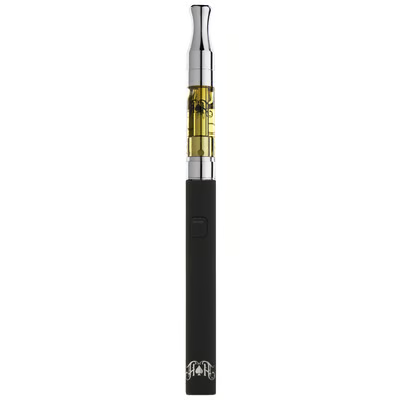
Maui Wowie Cart (Heavy hitters) 1g – Sativa Vape
$20.00
What to Expect From Effects
-
Enhanced focus and alertness
-
Creative inspiration and social stimulation
-
Mood elevation without overwhelming intensity
-
Mild body relaxation with no couch-lock
Great for daytime use, beach days, festivals, and stress-free productivity.
Maui Wowie: An Educational Overview of a Classic Cannabis Strain
Maui Wowie is one of the most recognizable cannabis strains in modern cannabis culture. Known for its tropical heritage and long history, the strain has become a notable example of how regional cultivation practices and genetics can influence the characteristics of cannabis plants. While cannabis laws and regulations vary significantly around the world, understanding the background and botanical characteristics of well-known strains can provide useful educational insight into cannabis cultivation and strain development.
Historical Background
Maui Wowie is commonly associated with the Hawaiian Islands, where it gained popularity during the latter half of the twentieth century. The strain became known for its tropical aroma, vibrant appearance, and distinctive genetic lineage. Over time, it developed a reputation among cannabis enthusiasts as a classic example of a tropical cannabis variety.
The strain’s history reflects the broader evolution of cannabis breeding, where cultivators selected plants with desirable traits and gradually refined them through multiple generations of cultivation.
Botanical Characteristics
Cannabis strains can differ substantially in appearance, growth patterns, aroma, and chemical composition. Maui Wowie is often recognized for its bright green coloration and abundant trichome coverage.
Trichomes are microscopic resin glands found on cannabis flowers. These structures contain cannabinoids and terpenes, which contribute to the plant’s aroma and chemical profile.
Environmental conditions such as sunlight, temperature, humidity, and soil quality can influence how a cannabis plant develops throughout its growth cycle.
Aroma Profile
One of the defining characteristics frequently associated with Maui Wowie is its tropical aroma. Descriptions often include notes reminiscent of pineapple, citrus fruits, sweet tropical flavors, and subtle earthy undertones.
The aroma of cannabis plants is primarily influenced by terpenes. Terpenes are naturally occurring compounds found throughout the plant kingdom and are responsible for the distinctive scents of many fruits, herbs, flowers, and trees.
Flavor Characteristics
Cannabis enthusiasts often describe Maui Wowie as having a flavor profile that reflects its tropical aroma. Common descriptions include fruity notes, citrus characteristics, and sweet tropical flavors.
Flavor perception varies among individuals and can be influenced by factors such as cultivation methods, processing techniques, storage conditions, and personal sensory preferences.
Understanding Cannabis Terpenes
Terpenes are among the most important compounds responsible for the sensory characteristics of cannabis. Several terpenes are commonly associated with tropical cannabis varieties, including:
Myrcene
Myrcene is found in numerous plants and contributes earthy and herbal aromas.
Limonene
Limonene is commonly found in citrus fruits and contributes bright citrus scents.
Pinene
Pinene is found in pine trees and contributes fresh, forest-like aromas.
The combination of various terpenes helps create the distinctive aroma profiles associated with different cannabis strains.
Cannabis Cultivation
Growing cannabis requires careful attention to environmental conditions and plant health. Cultivators often manage factors such as:
- Light exposure
- Nutrient availability
- Temperature
- Humidity
- Air circulation
- Pest control
Successful cultivation depends on balancing these variables throughout the plant’s lifecycle.
Modern cultivation techniques may include indoor, outdoor, or greenhouse environments. Each method offers unique advantages and challenges depending on local climate conditions and production goals.
Cannabis Concentrates
Beyond dried flower products, cannabis can also be processed into concentrated forms. Concentrates are created by extracting specific compounds from plant material and may be incorporated into various product formats depending on local regulations.
Extraction techniques can vary significantly and often require specialized equipment and quality-control procedures.
Vaporizer Cartridge Technology
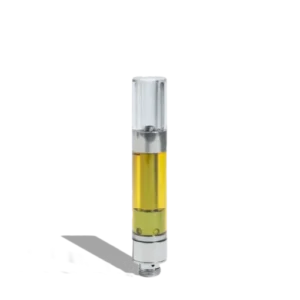
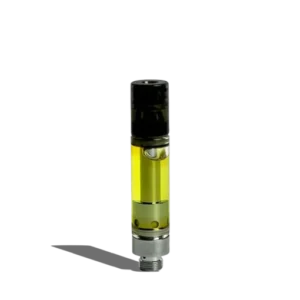
One delivery system commonly used in regulated cannabis markets is the vaporizer cartridge. These devices are designed to work with compatible batteries and vaporize specially formulated oils.
A typical cartridge consists of:
- A liquid reservoir
- A heating element
- Airflow channels
- A mouthpiece
- A battery connection
When activated, the heating element vaporizes the liquid, producing an aerosol that travels through the airflow system.
Components of a Modern Cartridge
Reservoir
The reservoir stores the liquid formulation and is commonly made from glass or other durable materials.
Heating Element
The heating element converts electrical energy into heat. Many modern systems utilize ceramic technology for consistent temperature distribution.
Mouthpiece
The mouthpiece directs vapor from the cartridge to the user.
Airflow System
The airflow system regulates how vapor moves through the device and can influence overall performance.
Storage and Handling
Proper storage practices help preserve cartridge performance and product quality. General recommendations include:
- Storing products upright
- Avoiding excessive heat exposure
- Protecting products from direct sunlight
- Following manufacturer guidelines
Environmental conditions can influence liquid viscosity and overall device performance.
Product Testing and Consumer Safety
In regulated markets, cannabis products may undergo laboratory testing for quality assurance purposes. Testing programs can evaluate factors such as:
- Product consistency
- Cannabinoid content
- Contaminant screening
- Manufacturing standards
The scope and requirements of testing vary according to local regulations.
Regulatory Considerations
Cannabis laws differ substantially across jurisdictions. Some regions permit medical use, others allow adult-use markets, while many jurisdictions continue to prohibit cannabis products entirely.
Consumers should always consult local laws and regulations before purchasing, possessing, or using cannabis-related products.
Conclusion
Maui Wowie remains one of the most recognizable cannabis strains due to its tropical heritage, distinctive aroma profile, and historical significance within cannabis culture. Studying strains such as Maui Wowie provides insight into cannabis genetics, cultivation techniques, terpene science, and modern vaporizer technology. As cannabis regulations and research continue to evolve, educational understanding remains an important component of informed discussions about the broader cannabis industry.
Be the first to review “Maui Wowie Cart (Heavy hitters) 1g – Sativa Vape”
Related products


Reviews
There are no reviews yet.