

Northern Lights: A Comprehensive Educational Guide to a Classic Cannabis Strain
Northern Lights is one of the most recognized cannabis strains in the world. For decades, it has played an important role in cannabis cultivation, breeding programs, and strain development. Known for its historical significance and genetic influence, Northern Lights remains a frequently discussed strain among cultivators, researchers, and cannabis enthusiasts interested in learning about cannabis genetics and plant characteristics.
The History of Northern Lights
The origins of Northern Lights are often traced back to the early cannabis breeding communities that emerged during the late twentieth century. While exact details regarding its development vary among historical accounts, Northern Lights is widely regarded as one of the foundational strains used in modern cannabis breeding.
Its popularity increased significantly as cultivators recognized its stable genetics, reliable growth patterns, and adaptability. Over time, breeders incorporated Northern Lights genetics into numerous hybrid strains, making it one of the most influential cannabis varieties in cultivation history.
Cannabis Genetics and Northern Lights
Cannabis strains are often categorized according to their genetic background. Northern Lights is generally considered an indica-dominant strain, although individual phenotypes may display slightly different characteristics depending on cultivation methods and breeding lineage.
The strain’s genetics have contributed to the development of many other well-known cannabis varieties. Breeders value Northern Lights because it often exhibits consistent growth traits and resilience under controlled cultivation environments.
Appearance and Structure
Northern Lights plants are often recognized for their compact structure and dense flower formation. Mature flowers typically display rich green coloration accompanied by a noticeable coating of trichomes.
Trichomes are microscopic resin-producing glands found on cannabis flowers. These structures contain cannabinoids and terpenes, which contribute to the plant’s chemical profile and aroma characteristics.
Environmental conditions such as temperature, humidity, lighting, and nutrient availability can influence the final appearance of harvested flowers.
Understanding Cannabis Terpenes
Terpenes are naturally occurring aromatic compounds found throughout nature. They contribute to the scent and flavor of many plants, including pine trees, citrus fruits, lavender, and cannabis.
Northern Lights is commonly associated with several terpene categories, including:
Myrcene
Myrcene is one of the most frequently encountered terpenes in cannabis. It is also found in plants such as hops and lemongrass.
Caryophyllene
Caryophyllene contributes spicy and pepper-like aromas and can also be found in black pepper and cloves.
Pinene
Pinene is associated with fresh pine aromas and is naturally present in many coniferous trees.
The combination of multiple terpenes creates the distinctive aromatic profile associated with individual cannabis strains.
Cultivation Characteristics
Northern Lights became popular among cultivators due to several cultivation-related advantages. These characteristics contributed to its reputation within the cannabis breeding community.
Some commonly discussed cultivation factors include:
- Compact plant structure
- Adaptability to indoor cultivation
- Consistent flowering patterns
- Dense flower production
- Stable genetics
Cultivation outcomes vary depending on environmental conditions, grower experience, and specific genetic phenotype.
The Role of Cannabis Breeding
Modern cannabis breeding relies heavily on foundational strains. Northern Lights is often cited as an important genetic contributor to numerous hybrid varieties available today.
Breeding programs aim to combine desirable traits from multiple parent strains. These traits may include growth characteristics, aroma profiles, cannabinoid production, disease resistance, and adaptability to different growing environments.
As cannabis genetics continue to evolve, Northern Lights remains an important historical reference point within breeding discussions.
Cannabis Concentrates and Extraction
In addition to dried flower products, cannabis can be processed into concentrates through various extraction methods. Concentrates are created by separating and refining specific compounds from plant material.
Extraction methods vary depending on regulatory requirements, production goals, and manufacturing standards. Modern extraction facilities often emphasize quality control and consistency throughout the production process.
Cannabis concentrates may be incorporated into several product formats in jurisdictions where such products are legally regulated.
Understanding Vaporizer Cartridge Technology
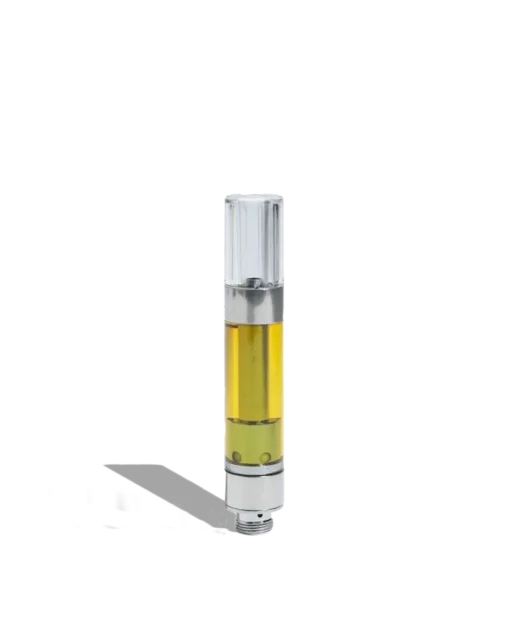
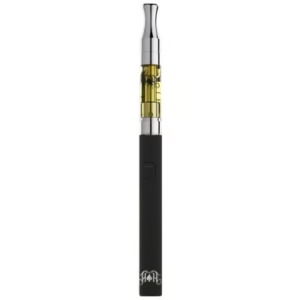
One delivery format commonly associated with cannabis concentrates is the vaporizer cartridge. Vaporizer cartridges are compact devices designed to work with compatible battery systems.
A typical cartridge contains several components:
- Reservoir chamber
- Heating element
- Airflow system
- Mouthpiece
- Battery connection
Together, these components create a system that converts liquid formulations into vapor through controlled heating.
How a Cartridge Functions
When a compatible battery is activated, electrical power is delivered to the cartridge’s heating element. The heating element warms the liquid formulation contained within the reservoir.
As the liquid reaches the appropriate temperature, it becomes an aerosol or vapor that travels through the airflow pathway toward the mouthpiece.
Modern cartridge systems often incorporate engineering features designed to improve consistency and reliability.
Cartridge Construction Materials
Manufacturers commonly use several materials when designing cartridges.
Glass Reservoirs
Glass is frequently selected because it is durable and resistant to chemical interactions.
Ceramic Heating Systems
Ceramic heating components are popular due to their ability to distribute heat evenly.
Metal Components
Metal structures provide durability and support for electrical connections and airflow pathways.
Material selection can influence overall product performance and longevity.
Proper Storage Practices
Storage conditions can affect the quality and performance of vaporizer cartridges.
General recommendations include:
- Store products upright whenever possible.
- Avoid prolonged exposure to excessive heat.
- Protect products from direct sunlight.
- Follow manufacturer guidelines regarding handling and storage.
Proper storage can help maintain product consistency and functionality.
Product Testing and Quality Assurance
In regulated cannabis markets, products may undergo laboratory testing for quality assurance purposes.
Testing protocols may evaluate:
- Product consistency
- Cannabinoid composition
- Contaminant screening
- Manufacturing compliance
Requirements differ among jurisdictions and regulatory frameworks.
Cannabis Regulations
Cannabis laws vary significantly across different countries, states, and regions. Some jurisdictions permit medical cannabis programs, others allow adult-use markets, and many continue to prohibit cannabis products.
Consumers should always familiarize themselves with local laws and regulations before purchasing, possessing, or using cannabis-related products.
Conclusion
Northern Lights remains one of the most historically significant cannabis strains in modern cultivation. Its influence on breeding programs, cultivation practices, and cannabis genetics has established it as an important part of cannabis history. Understanding Northern Lights from an educational perspective provides valuable insight into cannabis botany, terpene science, cultivation techniques, and vaporizer technology. As research and regulations continue to evolve, education remains an essential part of informed discussions surrounding cannabis and its many applications.
Be the first to review “Northern Lights Cartridge 1g”
Related products

Reviews
There are no reviews yet.