
Malana Hash Cream – Educational Guide to Traditional Hashish
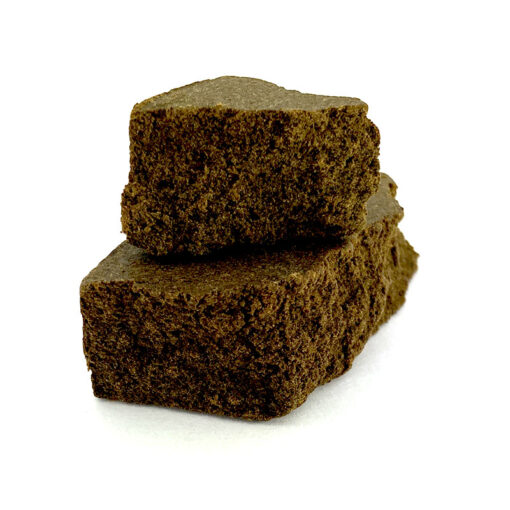
Malana Hash Cream is a term commonly used in cannabis culture to describe a form of traditional hashish associated with the Malana Valley region in the Himalayas. It refers not to a single standardized product, but to a category of resin-based cannabis concentrate that is traditionally hand-processed from cannabis plants.
Hashish is one of the oldest cannabis preparations in human history, with origins spanning centuries across regions such as South Asia, the Middle East, and North Africa. In modern discussions, terms like “cream” or “premium cream” are often used to describe smoother, softer, or more refined hash textures.
Understanding Malana-style hash requires exploring its cultural origins, traditional production methods, resin extraction, quality classifications, and legal considerations.
What Is Hashish?
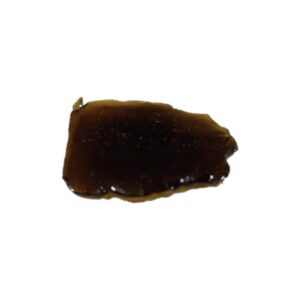
Hashish is a cannabis concentrate made by collecting and compressing trichomes, the resinous glands found on cannabis flowers.
Hashish
Trichomes contain most of the plant’s cannabinoids and aromatic compounds. When separated and compressed, they form a dense resin known as hash.
Unlike modern solvent-based concentrates, traditional hash is typically made without chemical extraction methods. Instead, it relies on physical separation techniques.
What Does “Malana” Refer To?
Malana refers to a remote village in the Indian Himalayas, often associated with traditional cannabis resin production.
Malana
In cannabis culture, “Malana hash” is used as a general term for resin products believed to originate from or be inspired by traditional Himalayan hash-making techniques.
However, it is important to understand:
- The term is often used generically in modern markets
- Authentic sourcing is difficult to verify in global trade
- Many products labeled “Malana” may not originate from the region itself
Thus, “Malana hash” is best understood as a cultural and style reference, rather than a strictly traceable commercial product.
What Does “Hash Cream” Mean?
The term “cream” in hash culture refers to texture and refinement level, not dairy or actual cream.
Hash cream typically describes:
- Softer texture
- Higher pliability
- Smoother consistency
- Refined resin structure
This is usually achieved through careful processing and purification of trichomes.
In traditional grading systems, softer hash is often considered more refined because it contains fewer plant impurities and a higher concentration of resin glands.
How Traditional Hash Is Made
Traditional hash production is a manual process that has been used for centuries.
1. Harvesting Cannabis Plants
Cannabis plants are cultivated and harvested when resin production is at its peak.
2. Drying
Plants are dried to reduce moisture content and prepare trichomes for separation.
3. Trichome Separation
Resin glands are separated from the plant using methods such as:
- Hand rubbing fresh plants
- Dry sieving using mesh screens
- Mechanical agitation in modern adaptations
4. Collection of Resin
The collected resin appears as fine powder or sticky particles known as kief.
5. Compression
The resin is pressed and heated slightly to form solid blocks or soft cakes.
6. Aging and Curing
Some traditional methods involve aging the pressed resin to enhance texture and aroma.
Why Himalayan Hash Is Culturally Significant
Hashish production in the Himalayan region has deep cultural roots.
In these communities:
- Cannabis grows naturally in mountainous environments
- Resin collection is a seasonal practice
- Traditional techniques are passed down through generations
Hash production is often intertwined with cultural identity, agriculture, and regional history.
However, modern commercialization has changed how these products are labeled and distributed globally.
What Determines Hash Quality?
Hash quality is typically assessed by several factors:
1. Purity
Higher-quality hash contains a higher concentration of trichomes and fewer plant materials.
2. Texture
Cream-like hash is softer and more pliable, often indicating refined processing.
3. Color
Colors can range from light blond to dark brown depending on processing and aging.
4. Aroma
Terpene retention influences smell and flavor characteristics.
5. Consistency
Even texture indicates uniform processing and resin distribution.
Traditional vs Modern Hash
There are key differences between traditional hash and modern commercial variations:
Traditional Hash
- Handmade
- Dry-sieved or hand-rubbed
- Minimal processing
- Regional production methods
Modern Hash
- May use industrial processing
- Controlled extraction environments
- Standardized packaging
- Lab testing in regulated markets
Modern systems often emphasize consistency and compliance, while traditional methods emphasize craftsmanship and heritage.
Chemical Composition of Hash
Hash contains naturally occurring compounds found in cannabis plants, including:
- Cannabinoids (such as THC and CBD)
- Terpenes (aromatic compounds)
- Plant waxes and lipids (in varying amounts)
The exact composition depends on:
- Plant genetics
- Growing conditions
- Processing technique
- Storage conditions
Modern cannabis science focuses heavily on these chemical profiles rather than product names alone.
Storage and Stability (Educational Context)
Hashish is sensitive to environmental conditions.
Key factors affecting stability include:
- Heat exposure
- Oxygen exposure
- Light degradation
- Moisture contamination
Improper storage can alter texture, aroma, and chemical stability over time.
In regulated environments, packaging is designed to reduce these risks.
Legal Considerations
Cannabis laws vary widely across countries and regions.
Depending on jurisdiction, cannabis and hashish may be:
- Legal for adult use
- Legal for medical use only
- Restricted or controlled
- Completely illegal
Because of these differences, “Malana hash” or similar products may have different legal statuses depending on location.
Consumers must always follow local laws and regulations.
Market Reality and Labeling Issues
In global cannabis markets, labeling can be inconsistent.
Common issues include:
- Regional names used for branding
- Misrepresentation of origin
- Lack of standard classification
- Variable product quality under the same name
Terms like “Malana,” “cream,” or “premium” are often descriptive or marketing-based, not scientifically regulated categories.
Consumer Awareness and Education
Understanding hash requires awareness of several important points:
1. Names Are Not Standardized
Product names do not guarantee origin or composition.
2. Texture Does Not Equal Potency
Soft or creamy texture does not necessarily indicate strength.
3. Processing Affects Quality
How resin is handled influences final product characteristics.
4. Regulation Matters
Legal markets typically enforce testing and labeling standards.
Cultural Respect and Ethical Context
Hashish production in Himalayan regions is tied to long-standing traditions.
Modern global trade raises important considerations:
- Cultural heritage preservation
- Ethical sourcing practices
- Respect for traditional methods
- Environmental impact of cultivation
These discussions are ongoing in academic and policy spaces.
Industry Trends
Modern cannabis markets are evolving rapidly, and hash products are part of that evolution.
Current trends include:
- Increased lab testing requirements
- Standardization of product categories
- Revival of traditional hash styles
- Improved extraction technologies
- Greater transparency in labeling
These trends reflect a shift toward regulated, consumer-focused cannabis industries.
Conclusion
Malana Hash Cream refers to a style of traditional cannabis resin associated with Himalayan hash-making culture, often characterized by a softer, more refined texture. However, the term is not a standardized scientific classification and is frequently used in global markets as a cultural or branding reference.
Understanding hash requires knowledge of resin extraction, trichome collection, traditional production methods, chemical composition, and legal frameworks. As cannabis industries evolve, education, transparency, and cultural awareness remain essential for interpreting products responsibly.
Be the first to review “Malana hash Cream”
Related products
concentrates
concentrates
concentrates
concentrates
concentrates
concentrates
concentrates
Reviews
There are no reviews yet.