
CO₂ Shatter (Mixed Indica) – Educational Guide to Cannabis Concentrates
Cannabis concentrates are a broad category of products made by isolating and refining compounds from the cannabis plant. Among these, CO₂ shatter is a concentrate produced using carbon dioxide extraction technology and refined into a brittle, glass-like texture known as “shatter.”
When you see terms like “Mixed Indica CO₂ Shatter,” it generally refers to a concentrate made from cannabis material labeled as indica-leaning or blended genetics, processed using CO₂ extraction, and finished into a shatter consistency.
However, product names in cannabis markets are often marketing constructions, not strict scientific classifications. To understand this type of product, it is important to break down its components: extraction methods, strain terminology, concentrate types, and regulatory considerations.
What Is Cannabis Shatter?
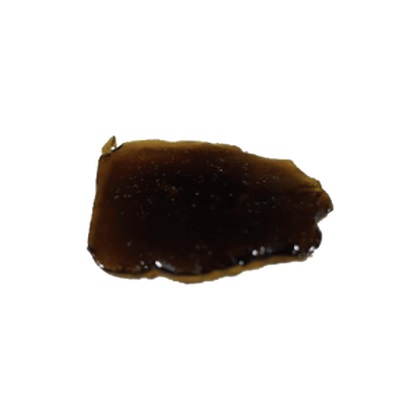
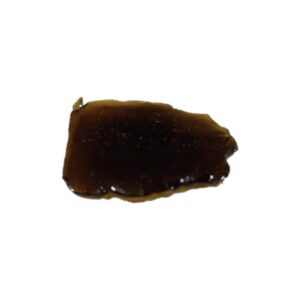
Shatter is a type of cannabis concentrate characterized by its transparent, glass-like structure that breaks or “shatters” when handled.
Cannabis shatter
It is one of several forms of cannabis extract, alongside wax, budder, crumble, resin, and oil-based concentrates.
Shatter typically appears:
- Amber or golden in color
- Solid and brittle in texture
- Highly concentrated in plant compounds
- Sensitive to heat and light
The term “shatter” refers only to physical consistency, not potency or chemical quality.
What Is CO₂ Extraction?
CO₂ extraction is a method that uses carbon dioxide under high pressure and controlled temperature to extract compounds from cannabis plant material.
Supercritical CO2 extraction
In this process, CO₂ is transformed into a state where it behaves like both a liquid and a gas. This allows it to act as a solvent that can pull cannabinoids and other plant compounds from the material.
Why CO₂ Is Used
CO₂ extraction is commonly used in regulated industries because:
- It does not leave toxic solvent residues when properly purged
- It allows precise control over extraction conditions
- It produces consistent batch results
- It is widely accepted in regulated manufacturing systems
After extraction, the CO₂ is removed, leaving behind concentrated plant compounds.
Important Clarification: CO₂ vs Solventless
A key point of education is the difference between CO₂ extraction and solventless extraction.
- CO₂ extraction = uses carbon dioxide as a solvent under pressure
- Solventless extraction = uses no chemical solvents at all
True solventless methods include:
- Ice water hash
- Dry sift
- Rosin pressing
So, CO₂ shatter cannot accurately be labeled as “solventless.” It is a solvent-based extraction method, even though CO₂ is considered cleaner than many chemical solvents.
What Does “Indica” Mean?
The term “indica” is widely used in cannabis labeling and culture.
Cannabis indica
Historically, cannabis was divided into three main categories:
- Indica
- Sativa
- Ruderalis
In modern cannabis science, these categories are considered oversimplified. Plant effects are more accurately influenced by:
- Cannabinoid content (THC, CBD, etc.)
- Terpene composition
- Individual biological response
Despite this, “indica” remains commonly used in marketing and consumer classification.
What Does “Mixed Indica” Mean?
“Mixed indica” usually refers to a blend of multiple indica-leaning cannabis genetics or plant batches.
This can mean:
- A combination of different indica-dominant strains
- Mixed source material used for extraction
- A blended formulation representing indica-type profiles
However, strain blending is not standardized across the cannabis industry, and naming conventions vary significantly between producers.
How CO₂ Shatter Is Made (General Process)
CO₂ shatter production involves several controlled steps in regulated manufacturing environments.
1. Selection of Cannabis Material
Cannabis flower or trim is selected based on quality and cannabinoid content.
2. CO₂ Extraction
Plant material is processed using supercritical CO₂, which extracts cannabinoids and aromatic compounds.
3. Separation
The CO₂ is separated from the extract, leaving behind crude oil.
4. Refinement
The crude extract may be refined to remove waxes, lipids, and other unwanted plant materials.
5. Purging and Conditioning
The extract is further processed to remove residual CO₂ and adjust consistency.
6. Formation of Shatter
Through controlled temperature and cooling, the extract solidifies into a brittle, glass-like structure.
7. Packaging
The final product is packaged in airtight containers to protect it from environmental degradation.
Why CO₂ Shatter Exists in the Cannabis Market
CO₂ shatter is part of the evolution of cannabis extraction technology.
Key reasons for its use include:
1. Controlled Extraction
CO₂ systems allow precise adjustments in temperature and pressure.
2. Regulatory Acceptance
Many regulated markets approve CO₂ extraction for commercial use.
3. Consistency
CO₂ systems produce repeatable results across batches.
4. Cleaner Processing
Compared to some older solvent-based methods, CO₂ extraction is considered cleaner when properly performed.
Chemical Composition
CO₂ shatter typically contains concentrated plant compounds such as:
- Cannabinoids (THC, CBD, etc.)
- Terpenes (aromatic compounds)
- Minor plant compounds in varying amounts
The exact chemical profile depends on:
- Plant genetics
- Extraction conditions
- Refinement processes
- Storage environment
Modern cannabis analysis focuses on chemical composition rather than strain names alone.
Quality Control and Testing
In regulated cannabis industries, concentrates are typically required to undergo laboratory testing.
Testing may evaluate:
- Cannabinoid potency
- Residual solvents or gases
- Pesticide contamination
- Heavy metals
- Microbial safety
A Certificate of Analysis (COA) is often provided to verify results.
These tests are essential for transparency and consumer safety in legal markets.
Packaging and Storage
CO₂ shatter is sensitive to environmental conditions.
Key factors affecting stability include:
- Heat exposure
- Oxygen exposure
- Light exposure
- Improper sealing
Without proper storage, the texture can become unstable and chemical composition may degrade over time.
Consumer Awareness and Misconceptions
Several misunderstandings exist about concentrates:
1. “Solventless vs CO₂ confusion”
CO₂ extraction is not solventless.
2. “Indica guarantees effects”
Strain labels do not reliably predict effects.
3. “Shatter quality is always higher”
Texture does not determine quality or purity.
4. “Mixed indica is standardized”
Blended labeling is not scientifically regulated.
Legal Considerations
Cannabis laws vary widely across jurisdictions.
Depending on location, cannabis concentrates may be:
- Legal for adult use
- Restricted to medical use
- Heavily regulated
- Fully illegal
Legal status depends entirely on local regulations.
Industry Trends
The cannabis concentrate industry continues to evolve with trends such as:
- Improved extraction technologies
- More detailed lab testing standards
- Greater transparency in labeling
- Expansion of concentrate product types
- Increased consumer education efforts
These developments reflect a growing emphasis on safety and consistency.
Conclusion
CO₂ shatter (Mixed Indica) is a cannabis concentrate produced using carbon dioxide extraction and processed into a brittle shatter form, often labeled with indica-leaning or mixed genetics. While widely referenced in cannabis markets, these terms are not standardized scientific classifications.
Understanding this product category requires knowledge of extraction technology, plant classification systems, chemical composition, testing standards, and legal frameworks. As cannabis industries develop, accurate information and consumer education remain essential for interpreting concentrate products responsibly.
Be the first to review “Mixed Indica Co2 Shatter – Premium Solventless Cannabis Extract”
Related products
concentrates
concentrates
concentrates
concentrates
concentrates
concentrates
concentrates
concentrates
4 reviews for Mixed Indica Co2 Shatter – Premium Solventless Cannabis Extract
There are no reviews yet.