


High-Potency Cannabis Gummies (500mg Edibles) – Educational Guide
Cannabis gummies are one of the most common types of edible cannabis products. They are chewy, candy-like items infused with cannabinoids, most commonly tetrahydrocannabinol (THC), the main psychoactive compound in cannabis.
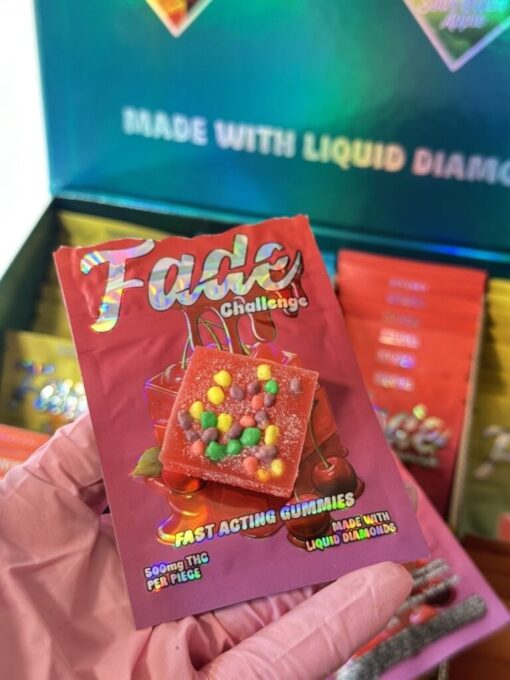
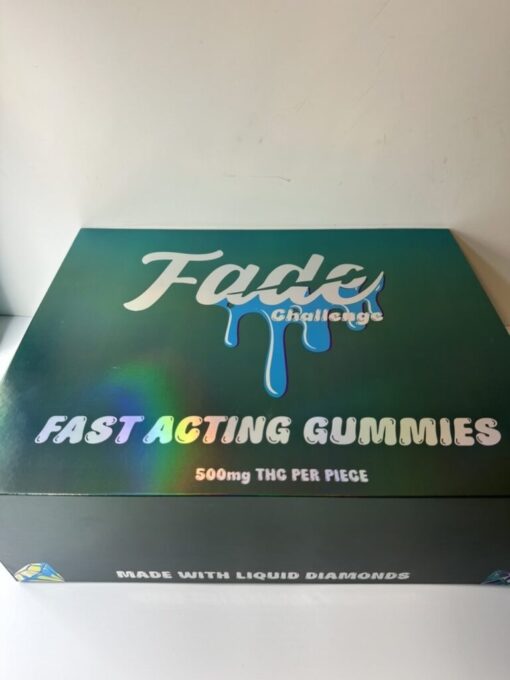
A label such as “500mg gummies” refers to the total amount of THC in the entire package or batch, depending on how the product is divided. These products are considered part of the high-potency edible category, meaning they contain a relatively large total dose of cannabinoids compared to standard edible products.
While branded names vary widely in cannabis markets, the underlying science of how these products work remains the same. Understanding them requires looking at chemistry, digestion, metabolism, and safety principles.
What Are Cannabis Gummies?
Cannabis gummies are edible candies infused with cannabinoids extracted from the cannabis plant.
Cannabis edible
They are designed to resemble normal sweets but contain active compounds that interact with the human endocannabinoid system.
General characteristics of cannabis gummies:
- Food-based cannabis delivery system
- Flavored and sweetened to mask cannabis taste
- Pre-measured cannabinoid content (in regulated markets)
- Delayed onset compared to smoking or vaping
- Longer-lasting effects in many users
Gummies are widely used because they are discreet, easy to consume, and allow controlled dosing in legal cannabis systems.
What Does “500mg” Mean?
The “500mg” label typically refers to the total THC content in the entire package or product batch.
Tetrahydrocannabinol
Key interpretation points:
- 500mg = total cannabinoid content in the product
- Each gummy (if divided) contains a fraction of the total
- The number does not represent how strong a single piece feels
- In regulated markets, this value is confirmed by lab testing
- In unregulated markets, accuracy may vary
Milligram labeling is a chemical measurement, not a direct indicator of subjective intensity, because individual responses to THC vary significantly.
How THC Works in the Body (Edibles vs Smoking)
THC behaves very differently when consumed as an edible compared to inhalation methods like smoking or vaping.
When inhaled:
- THC enters the bloodstream through the lungs
- Effects begin within minutes
- Duration is typically shorter
When eaten:
- The gummy is digested in the stomach
- THC is absorbed through the intestines
- The liver metabolizes THC into 11-hydroxy-THC
- This metabolite enters the bloodstream and reaches the brain
This metabolic process is important because 11-hydroxy-THC interacts with the brain differently than inhaled THC.
As a result, edibles often:
- Take longer to take effect
- Produce longer-lasting effects
- Feel stronger for some individuals
However, the experience is highly variable depending on physiology and dosage.
Why Edibles Can Feel Stronger
One of the main reasons edibles are considered more intense is liver metabolism. The conversion of THC into 11-hydroxy-THC can increase the psychoactive effect for some users.
This can result in:
- Stronger perceived effects
- Longer duration of activity
- Delayed onset that may lead to overconsumption if not understood
However, the experience depends on several factors:
- Metabolic rate
- Body weight and composition
- Tolerance level
- Food intake before consumption
- Individual sensitivity to cannabinoids
Because of these differences, two people consuming the same edible may have very different experiences.
How Cannabis Gummies Are Made
Cannabis gummies are produced through a combination of extraction and food manufacturing processes.
1. Extraction of cannabinoids
Cannabinoids are extracted from cannabis plant material using industrial methods.
Cannabis extraction
2. Refinement into oil or distillate
The extract is refined into forms such as:
- THC distillate (highly purified oil)
- Full-spectrum extract (contains multiple cannabinoids)
- Other cannabis oil blends
3. Infusion into gummy base
Cannabis oil is mixed into ingredients like:
- Gelatin or pectin
- Sugar or sweeteners
- Flavoring agents
- Coloring compounds
4. Molding and shaping
The mixture is poured into molds to create uniform gummy shapes.
5. Cooling and packaging
The gummies are cooled, solidified, and packaged with labeled cannabinoid content.
In regulated markets, each step is subject to quality control testing to ensure consistency and safety.
What Affects the Experience of Cannabis Gummies?
Even if two products have the same THC content, the effects can vary significantly.
Biological factors:
- Metabolism speed
- Body composition
- Tolerance to THC
- Digestive system efficiency
Product factors:
- Type of cannabis extract used
- Even distribution of THC in the product
- Presence of fats (which can increase absorption)
Environmental factors:
- Whether food was eaten before consumption
- Hydration levels
- Interaction with other substances
These variables make edibles one of the most unpredictable forms of cannabis consumption.
Safety Considerations
High-potency edibles require careful awareness because their effects are delayed and long-lasting.
Key safety principles include:
- Effects may take time to appear due to digestion
- Overconsumption risk is higher than inhalation methods
- Duration can last several hours depending on dose
- Individual response varies widely
- Mixing with other substances can increase unpredictability
Public health guidance in regulated cannabis systems often emphasizes patience and cautious dosing.
Legal Status
Cannabis gummies are regulated differently depending on jurisdiction.
They may be:
- Legal for adult recreational use in some regions
- Restricted to medical cannabis programs
- Strictly regulated with testing requirements
- Illegal in other areas
In regulated markets, products must often meet standards such as:
- Laboratory testing for potency and contaminants
- Accurate labeling per serving
- Child-resistant packaging
- Manufacturing compliance standards
Unregulated products may not meet these requirements, which increases variability.
Common Misconceptions About THC Gummies
1. “Higher milligrams always mean stronger effects”
Not necessarily—individual biology is a major factor.
2. “Edibles affect everyone the same way”
Responses vary widely between individuals.
3. “Gummies are safer because they are candy”
They still contain psychoactive substances.
4. “Brand names guarantee potency or quality”
Only verified lab testing can confirm actual cannabinoid content.
Industry Trends
The cannabis edible industry continues to evolve with:
- Improved dosing accuracy in regulated markets
- Expansion of gummy and candy-style formats
- Better extraction and purification technologies
- Increased lab testing standards
- Greater focus on consumer education
These trends reflect a shift toward more standardized and regulated cannabis manufacturing practices.
Conclusion
High-potency cannabis gummies labeled with values such as “500mg” represent edible products infused with THC. These cannabinoids are processed through digestion, which changes how they interact with the body compared to inhaled cannabis.
Understanding these products requires knowledge of edible metabolism, cannabinoid chemistry, extraction processes, and regulatory frameworks. Because effects vary widely between individuals, education and awareness are essential for interpreting potency and behavior safely and accurately.
Be the first to review “FADE CHALLENGE GUMMIES 500mg”
Related products


edibles

edibles

edibles

edibles

edibles
Reviews
There are no reviews yet.