
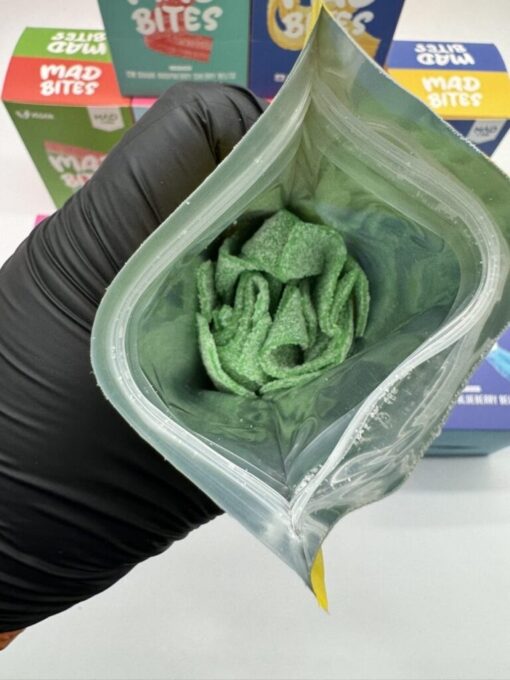
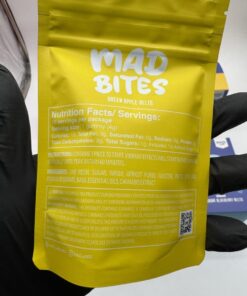

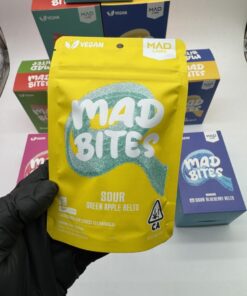
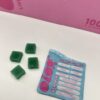

High-Potency Cannabis Gummies (2000mg Category) – Educational Guide
Cannabis edibles have become one of the most recognized categories of cannabis products in legal markets around the world. Among the many edible formats available, gummies remain especially popular because they are easy to portion, convenient to store, and available in a wide range of flavors and formulations.
Some products are labeled with large potency values such as 2000mg, indicating a high total cannabinoid content across the entire package. While brand names may vary, understanding the science behind these products is far more important than understanding the marketing.
High-potency cannabis gummies are fundamentally food products infused with cannabinoids extracted from the cannabis plant. Their effects, safety considerations, and legal status depend on chemistry, manufacturing practices, and local regulations rather than branding alone.
This guide explores:
- What cannabis gummies are
- What THC is
- What a 2000mg label means
- How edibles affect the body
- How cannabis gummies are manufactured
- Safety and quality considerations
- Legal and regulatory topics
What Are Cannabis Gummies?
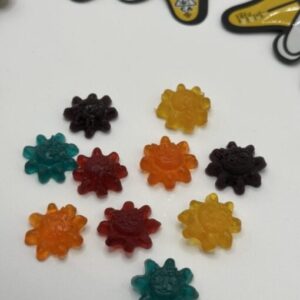
Cannabis gummies are edible candies infused with cannabinoids extracted from cannabis plants.
Cannabis edible
Unlike smoking or vaping, gummies deliver cannabinoids through digestion. This creates a very different metabolic pathway and produces effects that may differ in onset time and duration.
Common characteristics of cannabis gummies:
- Candy-like appearance
- Sweetened and flavored
- Pre-measured cannabinoid content in regulated markets
- Longer-lasting effects than inhaled cannabis
- Portable and discreet format
Because gummies resemble conventional candy products, many public health organizations emphasize the importance of proper labeling, secure storage, and consumer education.
Understanding THC
The cannabinoid most commonly associated with psychoactive effects is THC.
Tetrahydrocannabinol
THC interacts with receptors in the body’s endocannabinoid system, which helps regulate numerous biological processes, including:
- Mood
- Appetite
- Memory
- Perception
- Sleep-related functions
The effects of THC vary significantly between individuals due to differences in biology, metabolism, tolerance, and consumption method.
What Does “2000mg” Mean?
One of the most misunderstood aspects of cannabis edibles is potency labeling.
A label showing 2000mg generally refers to the total amount of cannabinoids contained in the entire package, rather than the amount in a single gummy.
Important points:
- Total package potency and per-piece potency are different measurements.
- Laboratory testing is used in regulated markets to determine cannabinoid content.
- Milligram values measure chemical quantity, not subjective intensity.
- Individual experiences may differ greatly even with identical cannabinoid amounts.
Consumers often confuse package potency with serving potency, which is why clear labeling standards are important in regulated cannabis systems.
How Edibles Differ From Smoking or Vaping
Cannabis gummies work differently than inhaled cannabis products.
Inhaled cannabis
When cannabis is smoked or vaporized:
- Cannabinoids enter the lungs
- They move rapidly into the bloodstream
- Effects appear relatively quickly
- Duration is generally shorter
Edible cannabis
When cannabis is consumed in gummy form:
- The gummy enters the digestive system
- Cannabinoids are absorbed through the intestines
- The liver processes THC
- Metabolized cannabinoids enter circulation
- Effects are experienced after digestion
Because digestion is involved, edible cannabis follows a more complex biological pathway.
The Role of the Liver
A key reason edibles behave differently is the liver’s role in metabolizing THC.
When consumed orally, THC is converted into compounds that interact differently with the body than inhaled THC.
This process contributes to:
- Delayed onset
- Longer duration
- Variable intensity
Factors influencing metabolism include:
- Age
- Body composition
- Genetics
- Food intake
- Overall health
As a result, two individuals consuming identical products may experience very different outcomes.
How Cannabis Gummies Are Manufactured
Modern cannabis gummies are produced using both food science and extraction technology.
Step 1: Extraction
Cannabinoids are removed from cannabis plant material.
Cannabis extraction
Extraction systems are designed to isolate compounds such as:
- THC
- CBD
- Minor cannabinoids
- Terpenes
Step 2: Refinement
Extracts may be refined into:
- Distillates
- Full-spectrum extracts
- Broad-spectrum extracts
Each formulation contains a different cannabinoid profile.
Step 3: Infusion
The cannabinoid extract is blended into a gummy mixture containing:
- Sweeteners
- Flavorings
- Gelling agents
- Stabilizers
Step 4: Molding
The mixture is poured into molds to create uniform pieces.
Step 5: Testing
In regulated markets, products may undergo testing for:
- Potency
- Pesticides
- Heavy metals
- Residual solvents
- Microbial contamination
Step 6: Packaging
Products are packaged and labeled according to regulatory requirements.
Quality Control and Laboratory Testing
Quality control is a major component of regulated cannabis production.
Laboratories may analyze:
- Cannabinoid concentrations
- Product consistency
- Contaminants
- Purity
These testing programs help improve transparency and allow consumers to better understand what a product contains.
In regulated systems, laboratory verification is often considered one of the most important indicators of product quality.
Factors That Influence Individual Response
Cannabis gummies do not affect everyone the same way.
Several factors influence individual response:
Biological factors
- Metabolism
- Body mass
- Genetics
- Tolerance
Product factors
- Cannabinoid profile
- Type of extract
- Manufacturing consistency
Environmental factors
- Food consumption
- Hydration
- Sleep quality
- Other substances consumed
Because so many variables are involved, individual experiences can differ significantly.
Safety Considerations
Education is an important component of cannabis safety.
Key considerations include:
- Edibles may have delayed effects
- Effects may last longer than expected
- Individual sensitivity varies
- Product quality can differ across markets
Public health agencies often emphasize:
- Reading labels carefully
- Understanding potency information
- Following local laws
- Storing products securely away from children and pets
These practices help reduce accidental exposure and improve consumer awareness.
Legal and Regulatory Considerations
Cannabis laws vary widely around the world.
Depending on location, cannabis gummies may be:
- Legal for adult recreational use
- Available only through medical programs
- Strictly regulated
- Prohibited entirely
Regulated markets commonly require:
- Accurate labeling
- Laboratory testing
- Child-resistant packaging
- Manufacturing standards
- Ingredient disclosure
Consumers should always understand the laws applicable in their jurisdiction.
Common Misconceptions
“Higher milligrams always mean stronger effects”
Not necessarily. Individual biology has a major influence.
“All gummies are identical”
Products can differ substantially in cannabinoid composition, ingredients, and manufacturing quality.
“Brand names determine quality”
Laboratory testing and manufacturing standards are more reliable indicators than branding.
“Edibles are the same as smoking”
Edibles use a different metabolic pathway and can behave differently in the body.
Industry Trends
The cannabis edible industry continues to evolve.
Recent developments include:
- More sophisticated testing methods
- Improved consistency standards
- Expansion of cannabinoid research
- Enhanced labeling requirements
- Greater consumer education efforts
As regulation improves, product transparency and quality control continue to become more important.
Conclusion
Products labeled as 2000mg cannabis gummies belong to a category of high-potency edible cannabis products. While branding may vary, the underlying science remains the same: cannabinoids are infused into food products and absorbed through the digestive system rather than the lungs.
Understanding these products requires knowledge of THC, edible metabolism, laboratory testing, manufacturing processes, and regulatory frameworks. As cannabis industries continue to develop worldwide, education remains one of the most valuable tools for understanding how edible cannabis products are produced, labeled, and regulated.
Be the first to review “MAD BITES GUMMIES 2000MG”
Related products

edibles


edibles


edibles

edibles

edibles
Reviews
There are no reviews yet.