
Sour Belt Cannabis Gummies (High-Potency Edibles) – Educational Guide
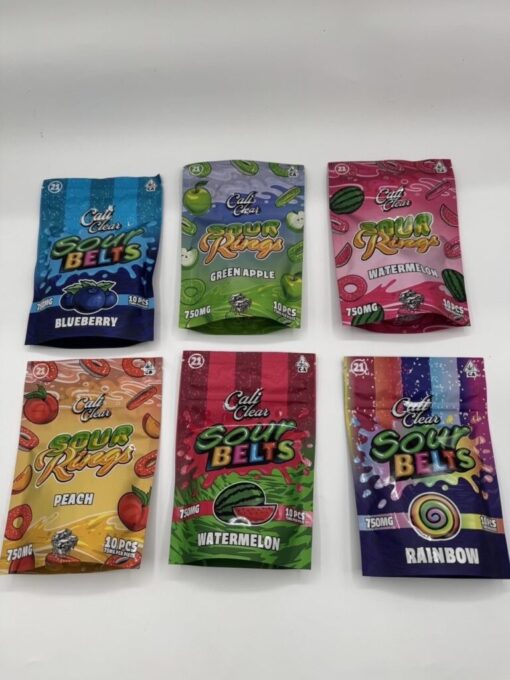
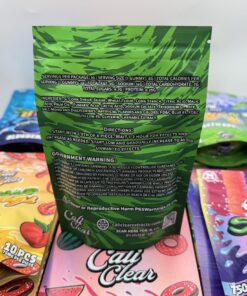
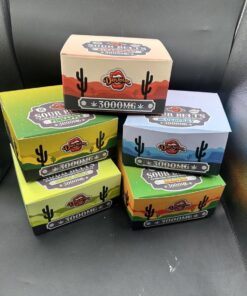
Sour belt gummies are a type of cannabis edible that resemble sour candy strips but are infused with cannabinoids, most commonly tetrahydrocannabinol (THC). Products in this category are often marketed using candy-style branding and large potency numbers such as “750mg,” which represent the total cannabinoid content in the entire package.
While names like “Cali Clear Sour Belts” are used in commercial or informal cannabis markets, the underlying concept is not unique to any brand. It falls into a broader category of high-potency cannabis-infused confectionery products designed for oral consumption.
To understand these products properly, it is important to break them down into four core areas:
- What cannabis edibles are
- What sour belt-style gummies are
- How THC potency labeling works
- How the body processes cannabinoids through digestion
What Are Cannabis Edibles?
Cannabis edibles are food or drink products infused with cannabinoids extracted from the cannabis plant.
Cannabis edible
Unlike inhalation methods such as smoking or vaping, edibles are consumed through the digestive system. This fundamentally changes how cannabinoids are absorbed and metabolized.
Key characteristics of cannabis edibles:
- Absorbed through digestion rather than lungs
- Delayed onset of effects compared to inhalation
- Longer duration of cannabinoid activity
- Pre-measured or labeled cannabinoid content (in regulated markets)
- Wide variation in individual response
Edibles are widely used in regulated cannabis systems because they provide a discreet and standardized consumption method, although consistency depends heavily on manufacturing quality.
What Are Sour Belt-Style Gummies?
Sour belts are a candy format characterized by long, chewy strips coated in sour sugar. In cannabis products, this format is used because it:
- Masks the natural taste of cannabis extracts
- Is easy to portion into servings
- Appeals to familiar candy consumption patterns
- Allows flexible dosing in strip form
These gummies are typically infused with cannabis extract during manufacturing. The extract is evenly distributed into a gelatin or pectin base, depending on whether the product is animal-derived or vegan.
While the candy design is familiar, the presence of cannabinoids makes them fundamentally different from standard confectionery products.
What Does “750mg” Mean?
One of the most misunderstood aspects of cannabis edibles is potency labeling.
When a package says “750mg,” it usually refers to the total amount of active cannabinoids (commonly THC) in the entire product package, not a single serving.
Tetrahydrocannabinol
Important interpretation points:
- 750mg = total cannabinoid content in the whole package
- Each piece contains a fraction of that total
- The actual per-piece dose depends on how the product is divided
- In unregulated markets, labeling accuracy can vary
In regulated cannabis industries, dosing is carefully measured and tested. However, in less controlled markets, potency labels may not always reflect exact laboratory-verified values.
How THC Works in the Body (Edibles vs Smoking)
THC behaves differently when eaten compared to inhaled consumption.
When cannabis is smoked or vaped, THC enters the bloodstream quickly through the lungs. In contrast, edibles follow a slower metabolic pathway:
- The gummy is digested in the stomach
- Cannabinoids are absorbed through the intestines
- The liver metabolizes THC into a compound called 11-hydroxy-THC
- This metabolite enters circulation and affects the brain
This process is why edibles often feel stronger or longer-lasting than inhaled cannabis, even when the stated THC amount is similar.
Because digestion and metabolism vary widely between individuals, edible effects are less predictable than other consumption methods.
Why Edibles Can Feel Stronger
One reason edibles are often described as more intense is due to metabolic conversion.
The liver transforms THC into 11-hydroxy-THC, which can have a different interaction profile with the brain compared to inhaled THC. This metabolite is sometimes associated with:
- Stronger perceived effects
- Longer duration
- Delayed onset compared to smoking
However, individual response depends on many factors including metabolism, body chemistry, tolerance, and whether the edible is consumed on an empty stomach.
Cannabis Extracts Used in Gummies
Cannabis gummies can be made using different types of extracts:
- Distillate (highly refined THC oil)
- Full-spectrum extract (contains cannabinoids and terpenes)
- Live resin (extracted from fresh-frozen plant material)
Each extract type influences the chemical complexity of the final product, though once digested, the differences are primarily biochemical rather than sensory.
Cannabis extraction
What “Sour Candy” Flavoring Really Means
The sour flavor profile in these gummies comes from food-grade acids and flavoring agents such as:
- Citric acid
- Malic acid
- Artificial or natural fruit flavorings
- Sugar coatings
These ingredients are unrelated to cannabis chemistry but are used to mask the natural bitterness of cannabis extracts and improve taste.
Variability in Cannabis Edibles
Even when products are labeled with precise milligram values, real-world effects can vary due to:
- Uneven distribution of cannabinoids in some products
- Differences in digestion speed
- Individual tolerance levels
- Food intake before consumption
- Metabolic differences between users
This variability is one reason why regulated cannabis markets emphasize standardized testing and consistent production practices.
Safety Considerations in Edible Products
Cannabis edibles require responsible handling in regulated environments because their delayed onset can lead to overconsumption if users misjudge timing.
Common safety principles include:
- Effects may take time to appear due to digestion
- Stronger effects can last longer than expected
- Individual responses vary significantly
- Mixing with other substances can change effects unpredictably
These factors make education important for reducing unintended overconsumption.
Legal Status and Regulation
Cannabis edibles are subject to different laws depending on country and region. In some areas, they are:
- Fully legal for adult recreational use
- Restricted to medical cannabis programs
- Strictly regulated with labeling laws
- Completely prohibited
Regulated markets typically require:
- Lab testing for cannabinoid content
- Contaminant screening
- Accurate labeling per serving
- Child-resistant packaging
Unregulated markets may not follow these standards, which increases variability in product quality and safety.
Common Misconceptions About THC Gummies
Several misconceptions exist around products like sour belt-style cannabis edibles:
1. “Higher milligrams always mean stronger effects”
Not necessarily—individual metabolism plays a major role.
2. “All gummies are accurately dosed”
Only regulated products are consistently tested.
3. “Edibles affect everyone the same way”
Biological differences create highly variable responses.
4. “Candy form makes them less potent”
The form factor does not reduce cannabinoid strength.
Industry Trends
The cannabis edible industry continues to evolve with:
- Improved dosing accuracy in regulated markets
- Expansion of candy-style edible formats
- Better extraction methods for full-spectrum products
- Increased consumer education efforts
- More focus on consistency and lab testing
These trends reflect a broader shift toward pharmaceutical-style standardization in legal cannabis industries.
Conclusion
Sour belt-style cannabis gummies represent a category of THC-infused edibles designed to resemble familiar candy products while delivering cannabinoids through digestion. The “750mg” labeling refers to total cannabinoid content in the package, but real effects depend on metabolism, product formulation, and individual response.
Understanding these products requires knowledge of edible metabolism, cannabinoid science, extraction methods, and regulatory standards. As cannabis industries continue to develop, education and accurate labeling remain key factors in improving safety and consistency across edible products.
Be the first to review “CALI CLEAR SOUR BELTS 750MG GUMMIES”
Related products

edibles

edibles
edibles
edibles
edibles
edibles
Reviews
There are no reviews yet.