
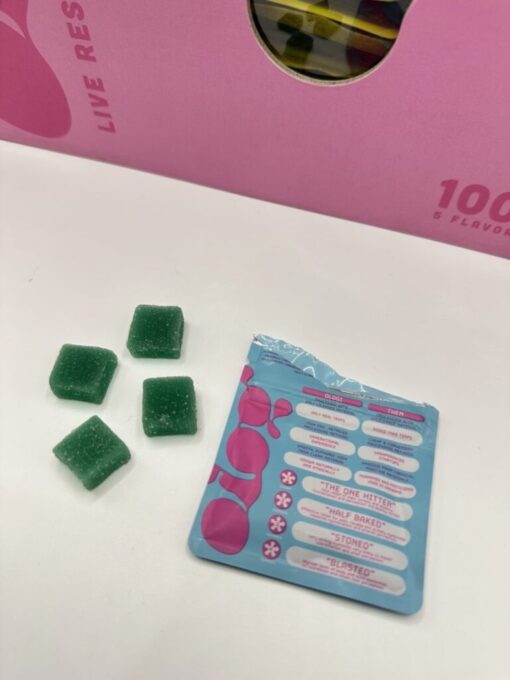
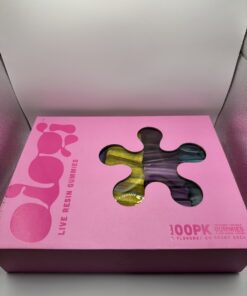
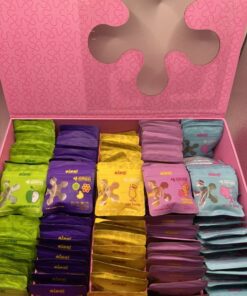
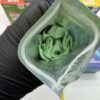
Live Resin Cannabis Edibles (500mg Category) – Educational Guide
Cannabis edibles have become an increasingly important part of legal cannabis markets worldwide. Among the many types of edible products available, those made with live resin extracts have attracted attention because of their unique production process and chemical profile.
Unlike standard THC distillate edibles, live resin edibles are made using extracts derived from freshly harvested cannabis plants that are preserved shortly after harvest. This process helps retain a broader range of naturally occurring compounds found in the plant.
When a product is labeled “500mg Live Resin Edible,” the number generally refers to the total cannabinoid content contained within the package. While brand names and packaging vary, understanding the science behind live resin edibles is more valuable than focusing on marketing terminology.
This guide explains:
- What cannabis edibles are
- What live resin is
- How live resin differs from distillate
- What a 500mg label means
- How edibles are processed by the body
- Manufacturing and quality control
- Safety and legal considerations
What Are Cannabis Edibles?
Cannabis edibles are food products infused with cannabinoids extracted from cannabis plants.
Cannabis edible
Unlike inhaled cannabis products, edibles are consumed orally and absorbed through the digestive system.
Common edible formats include:
- Gummies
- Chocolates
- Candies
- Beverages
- Baked goods
- Capsules
The primary cannabinoids found in edible products may include THC, CBD, or combinations of multiple cannabinoids.
Because edibles are digested rather than inhaled, their effects, duration, and onset can differ significantly from smoking or vaping.
What Is Live Resin?
Live resin is a cannabis extract produced from freshly harvested cannabis plants that are frozen shortly after collection rather than being dried and cured first.
Live resin
This preservation method is designed to retain more of the plant’s original chemical profile.
Fresh cannabis contains hundreds of naturally occurring compounds, including:
- Cannabinoids
- Terpenes
- Flavonoids
- Aromatic compounds
By freezing the plant material soon after harvest, manufacturers attempt to preserve these compounds before degradation occurs.
How Live Resin Differs From Distillate
One of the most common cannabis extracts used in edibles is THC distillate.
Distillate
Distillate is highly refined and purified.
Characteristics include:
- High cannabinoid concentration
- Minimal plant flavor
- Reduced terpene content
- Consistent formulation
Live Resin
Live resin generally contains a broader range of plant compounds.
Characteristics may include:
- More natural terpene retention
- Broader chemical profile
- Stronger cannabis aroma
- Less refinement than distillate
Neither extraction type is inherently “better.” They simply represent different approaches to cannabis processing.
Understanding Cannabinoids
Cannabis contains many naturally occurring cannabinoids.
Some of the most studied include:
THC
Tetrahydrocannabinol
THC is the primary psychoactive cannabinoid and is responsible for many of the effects commonly associated with cannabis.
CBD
Cannabidiol
CBD is another major cannabinoid that has been extensively researched and is commonly included in cannabis-derived products.
Minor Cannabinoids
Cannabis plants also contain smaller quantities of compounds such as:
- CBG
- CBC
- CBN
Research into these cannabinoids continues to expand as scientific understanding grows.
What Does “500mg” Mean?
One of the most misunderstood aspects of cannabis products is potency labeling.
A label showing 500mg generally refers to the total cannabinoid content within the entire package.
Important points include:
- It does not necessarily represent a single serving.
- It is a chemical measurement.
- Laboratory testing is used in regulated markets to determine potency.
- Total package potency and per-piece potency are different values.
Consumers often confuse total package content with serving content, which is why labeling standards play an important role in regulated cannabis industries.
How Cannabis Edibles Work
Edibles follow a different biological pathway than inhaled cannabis.
Inhaled Cannabis
When cannabis is smoked or vaporized:
- Cannabinoids enter the lungs
- Absorption occurs rapidly
- Effects generally begin quickly
Edible Cannabis
When cannabis is eaten:
- The edible enters the digestive system
- Cannabinoids are absorbed through the intestines
- The liver processes cannabinoids
- Metabolized compounds enter circulation
- Effects occur after digestion
This additional metabolic step creates important differences in how edible cannabis behaves.
The Role of the Liver
The liver plays a central role in edible cannabis metabolism.
When THC is consumed orally, it undergoes metabolic transformation before entering circulation.
This process contributes to:
- Delayed onset
- Longer duration
- Different subjective experiences compared to inhalation
Numerous factors influence this process, including:
- Genetics
- Age
- Body composition
- Food intake
- Overall metabolism
These differences help explain why individuals may respond differently to the same product.
Terpenes and Live Resin
One of the defining characteristics of live resin is terpene preservation.
Terpene
Terpenes are naturally occurring compounds responsible for many plant aromas.
Examples include:
- Citrus-like aromas
- Pine-like aromas
- Floral aromas
- Herbal aromas
Cannabis contains dozens of identified terpenes.
Researchers continue studying how terpenes interact with cannabinoids and contribute to the overall chemical profile of cannabis products.
How Live Resin Edibles Are Manufactured
The production process generally involves several stages.
Step 1: Harvesting
Cannabis plants are harvested at maturity.
Step 2: Freezing
Rather than drying the plant material, producers freeze it shortly after harvest.
Step 3: Extraction
Cannabinoids and terpenes are separated from plant material.
Cannabis extraction
Step 4: Refinement
The extract is processed into a usable ingredient for edible manufacturing.
Step 5: Infusion
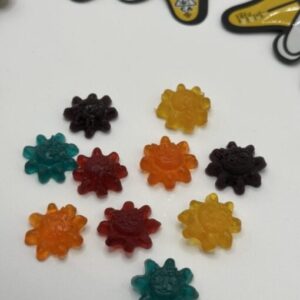
The live resin extract is incorporated into edible formulations such as gummies or candies.
Step 6: Testing
Products may undergo laboratory analysis for:
- Potency
- Purity
- Contaminants
- Consistency
Step 7: Packaging
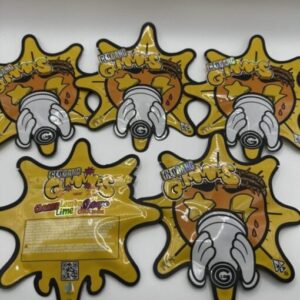
The final product is packaged and labeled according to regulatory requirements where applicable.
Quality Control and Laboratory Testing
Modern regulated cannabis markets place strong emphasis on quality control.
Testing may include:
- Cannabinoid analysis
- Heavy metal screening
- Microbial testing
- Pesticide screening
- Residual solvent analysis
These procedures help improve product consistency and transparency.
Laboratory verification is often considered one of the most important indicators of product quality.
Safety Considerations
Understanding cannabis edibles requires awareness of several safety considerations.
Important topics include:
- Delayed onset compared to inhaled cannabis
- Long-lasting effects
- Individual variability
- Proper storage practices
- Product labeling awareness
Public health organizations frequently emphasize keeping edible products securely stored away from children and pets because many edibles resemble ordinary food products.
Legal and Regulatory Considerations
Cannabis laws vary significantly around the world.
Depending on jurisdiction, cannabis edibles may be:
- Legal for adult use
- Limited to medical programs
- Highly regulated
- Prohibited
Regulated markets often require:
- Child-resistant packaging
- Laboratory testing
- Ingredient disclosure
- Potency labeling
- Manufacturing compliance
Consumers should always be aware of the laws applicable in their region.
Industry Trends
The cannabis edible industry continues to evolve.
Recent trends include:
- Increased use of live resin extracts
- Improved testing standards
- Greater labeling transparency
- Expanded cannabinoid research
- Enhanced manufacturing consistency
As scientific research progresses, understanding of cannabinoids, terpenes, and edible formulations continues to grow.
Conclusion
Live resin cannabis edibles represent a category of edible products made using extracts derived from fresh frozen cannabis plants. Unlike highly refined distillate products, live resin extracts are designed to preserve a broader range of naturally occurring plant compounds, including terpenes and cannabinoids.
A label such as 500mg generally refers to the total cannabinoid content within the package, while the effects of any edible product depend on numerous factors including metabolism, formulation, and individual biology. Understanding these products requires knowledge of cannabis extraction, edible metabolism, laboratory testing, and regulatory standards rather than focusing solely on branding or marketing terms.
Be the first to review “OLOGI EDIBLES 500MG LIVE RESIN”
Related products

edibles
edibles
edibles
edibles
edibles
edibles
Reviews
There are no reviews yet.