
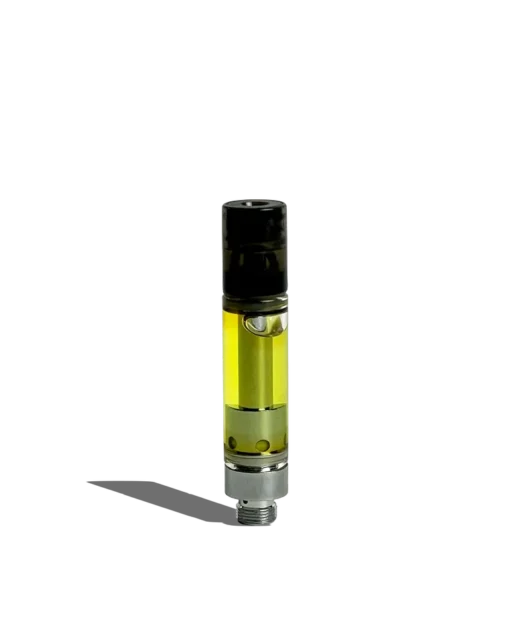
Ghost Train Haze Cart 1g
$20.00
Cannabis vape cartridges are widely used in regulated markets as a modern method of consuming cannabis extracts. These products are designed to heat concentrated cannabis oil into an inhalable vapor without combustion. One common classification used in cannabis culture is the distinction between “sativa,” “indica,” and “hybrid” profiles, although modern science shows that chemical composition is more complex than these traditional categories.
Understanding Sativa-Style Cannabis Vape Cartridges: Terpenes, Cannabinoids, Extraction Science, and Vaporization Technology
Introduction
Cannabis vape cartridges are widely used in regulated markets as a modern method of consuming cannabis extracts. These products are designed to heat concentrated cannabis oil into an inhalable vapor without combustion. One common classification used in cannabis culture is the distinction between “sativa,” “indica,” and “hybrid” profiles, although modern science shows that chemical composition is more complex than these traditional categories.
Products described as “sativa-style” vape cartridges are typically associated with aromatic profiles that are lighter, brighter, and more terpene-forward. These characteristics are not determined solely by plant type but by a combination of cannabinoids, terpenes, cultivation methods, and extraction processes.
This educational guide explores the science behind cannabis vape cartridges, including plant chemistry, terpene profiles, extraction technology, and vaporization systems.
Cannabis Plant Chemistry
Cannabis plants produce hundreds of naturally occurring compounds that define their aroma, appearance, and chemical behavior.
These compounds include:
- Cannabinoids
- Terpenes
- Flavonoids
- Plant waxes
- Aromatic hydrocarbons
- Lipids
Each compound group plays a role in the plant’s overall chemical expression. Scientists continue studying how these compounds interact and how environmental conditions influence their production.
Cannabinoids and Their Role
Cannabinoids are the primary active compounds in cannabis.
More than 100 cannabinoids have been identified, including:
THC (Tetrahydrocannabinol)
THC is the most well-known cannabinoid and is responsible for the primary psychoactive effects associated with cannabis.
CBD (Cannabidiol)
CBD is a non-intoxicating cannabinoid widely studied for its chemical properties and interaction with the human endocannabinoid system.
Minor Cannabinoids
Other cannabinoids include:
- CBG (Cannabigerol)
- CBC (Cannabichromene)
- CBN (Cannabinol)
- THCV (Tetrahydrocannabivarin)
Each cannabinoid contributes to the chemical complexity of cannabis extracts, and research is ongoing to understand their individual and combined roles.
The Endocannabinoid System
Cannabinoids interact with a biological signaling network in the human body known as the endocannabinoid system.
This system includes:
- Receptors (CB1 and CB2)
- Endogenous signaling molecules
- Enzymes that regulate activity
It plays a role in many physiological processes, including neural communication and cellular signaling. Research into this system is still developing, and scientists continue to explore how plant-derived cannabinoids interact with it.
Terpenes and Aromatic Profiles
Terpenes are aromatic compounds found in many plants, including cannabis.
They are responsible for scent and flavor characteristics such as:
- Citrus
- Pine
- Earthy
- Floral
- Herbal
- Fruity
Common cannabis terpenes include:
Limonene
Associated with citrus-like aromas.
Myrcene
Often linked with earthy and herbal characteristics.
Pinene
Found in pine trees and associated with fresh, forest-like scents.
Linalool
Known for floral and lavender-like aromas.
Caryophyllene
Associated with spicy and peppery notes.
Sativa-Style Aromatic Profiles
“Sativa-style” vape cartridges are often associated with brighter terpene expressions. These profiles are not strictly defined scientifically but are commonly described in the cannabis industry as:
- Citrus-forward aromas
- Fruity and tropical notes
- Herbal or pine-like undertones
- Light, sharp aromatic complexity
These characteristics are primarily influenced by terpene composition rather than cannabinoid ratios alone.
Cannabis Genetics and Cultivation
Cannabis cultivars are developed through selective breeding.
Breeders aim to enhance traits such as:
- Aroma intensity
- Resin production
- Growth structure
- Environmental resistance
- Cannabinoid and terpene output
Genetic expression plays a major role in the chemical profile of the plant, but environmental conditions also strongly influence outcomes.
Phenotype Expression
A phenotype is the observable expression of a plant’s genetic traits.
These traits include:
- Height
- Leaf structure
- Flower density
- Coloration
- Aroma profile
- Resin production
Environmental variables such as light intensity, temperature, humidity, and nutrients can influence phenotype expression, resulting in variation even among genetically similar plants.
Cannabis Extraction Technology
Vape cartridges contain cannabis concentrates produced through extraction processes.
Extraction separates cannabinoids and terpenes from plant material.
Common extraction methods include:
CO₂ Extraction
Uses pressurized carbon dioxide to isolate compounds.
Ethanol Extraction
Uses food-grade ethanol to dissolve plant compounds.
Hydrocarbon Extraction
Uses controlled solvents such as butane or propane under regulated conditions.
Each method affects the final chemical composition and terpene retention of the extract.
Refinement and Distillation
After extraction, cannabis oils may undergo refinement processes such as:
- Filtration
- Winterization
- Distillation
- Purification
Distillation produces highly refined cannabinoid oils, often referred to as distillates. These may later have terpenes reintroduced to restore aroma and flavor profiles.
Types of Cannabis Vape Oils
Different extract types are used in vape cartridges:
Distillate
Highly purified cannabinoid oil with minimal plant compounds.
Full-Spectrum Extract
Contains a wider range of cannabinoids and terpenes.
Live Resin
Made from fresh-frozen plant material to preserve terpene content.
Each type offers different chemical and aromatic characteristics.
Vaporization Technology
Vape cartridges use a heating system to convert cannabis oil into vapor.
Main components include:
- Oil reservoir
- Heating coil or ceramic element
- Airflow channel
- Battery connection
- Mouthpiece
When activated, the heating element warms the oil until it vaporizes into an inhalable aerosol.
Unlike smoking, vaporization does not involve combustion.
Temperature Control and Chemical Stability
Temperature plays a major role in vaporization performance.
It affects:
- Vapor density
- Flavor preservation
- Terpene stability
- Cannabinoid integrity
Different compounds vaporize at different temperatures, making thermal control important for consistent performance.
Laboratory Testing and Safety Standards
Regulated cannabis products undergo laboratory testing to ensure quality and safety.
Testing may include:
Cannabinoid Analysis
Measures THC and other cannabinoid levels.
Terpene Profiling
Identifies aromatic compounds.
Residual Solvent Testing
Ensures safe levels after extraction.
Heavy Metal Screening
Detects environmental contaminants.
Microbial Testing
Checks for unwanted biological contaminants.
Packaging and Storage
Proper packaging helps preserve cannabis oil quality.
Key factors include protection from:
- Heat
- Light
- Oxygen
- Moisture
Storage conditions significantly affect product stability and shelf life.
Regulatory Considerations
Cannabis laws vary widely across regions.
Depending on location, products may be:
- Fully legal for adult use
- Restricted to medical programs
- Strictly regulated
- Illegal
Regulated markets often require:
- Testing compliance
- Licensing
- Labeling standards
- Product tracking systems
Future of Cannabis Vape Technology
Cannabis science continues to evolve.
Key areas of development include:
- Advanced extraction methods
- Improved terpene preservation
- More efficient vaporization hardware
- Enhanced safety testing
- Cannabis genetics research
These advancements aim to improve consistency, safety, and product quality across the industry.
Conclusion
Sativa-style cannabis vape cartridges represent a combination of plant genetics, terpene science, extraction technology, and vaporization engineering. While product names often suggest specific effects or experiences, the underlying science is based on chemical composition and device technology rather than marketing categories.
Understanding cannabinoids, terpenes, extraction methods, and vaporization systems provides a clearer view of how modern cannabis vape products are developed and evaluated within regulated environments.
Be the first to review “Ghost Train Haze Cart 1g”
Related products
VAPE
Reviews
There are no reviews yet.