


Papaya Kush Disposable Cart 1g

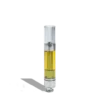
$30.00
Papaya Kush is a cannabis variety known for its tropical-inspired aroma profile and distinctive genetic characteristics. Within cannabis education and cultivation discussions, Papaya Kush is often referenced for its fruit-forward terpene composition and its place among modern hybrid cannabis strains. Understanding the history, cultivation, botanical characteristics, and vaporizer technology associated with cannabis products can help readers develop a broader understanding of the cannabis industry from an educational perspective.
Papaya Kush: An Educational Overview of a Tropical Cannabis Variety
Papaya Kush is a cannabis variety known for its tropical-inspired aroma profile and distinctive genetic characteristics. Within cannabis education and cultivation discussions, Papaya Kush is often referenced for its fruit-forward terpene composition and its place among modern hybrid cannabis strains. Understanding the history, cultivation, botanical characteristics, and vaporizer technology associated with cannabis products can help readers develop a broader understanding of the cannabis industry from an educational perspective.
Understanding Cannabis Strains
Cannabis strains are cultivated varieties that possess unique combinations of genetic traits. These traits influence characteristics such as plant structure, aroma, terpene composition, growth patterns, and cannabinoid production.
Over many decades, breeders have developed thousands of cannabis varieties by selecting plants with desirable traits and combining them through controlled breeding programs. Papaya Kush is one example of how breeders have focused on developing strains with distinctive aromatic and botanical qualities.
The Origins of Papaya Kush
While exact lineage information may vary among breeders and cultivation programs, Papaya Kush is generally associated with tropical fruit-inspired genetics. The strain’s name reflects its commonly described aroma profile, which many enthusiasts compare to ripe papaya and other tropical fruits.
Cannabis breeding continues to evolve as cultivators refine genetic lines to enhance consistency, stability, and cultivation performance.
Appearance and Plant Structure
Like many cannabis varieties, Papaya Kush may display unique visual characteristics depending on growing conditions and phenotype expression.
Common observations often include:
- Dense flower formation
- Bright green coloration
- Visible trichome development
- Orange or amber pistils
- Compact growth structure
Environmental conditions such as temperature, humidity, nutrients, and lighting can significantly influence the final appearance of a mature cannabis plant.
What Are Trichomes?
Trichomes are microscopic resin glands that develop on cannabis flowers and surrounding plant material.
These structures play an important role because they contain many of the compounds associated with cannabis chemistry, including:
- Cannabinoids
- Terpenes
- Flavonoids
The appearance of trichomes often contributes to the frosted or crystal-covered look observed on mature cannabis flowers.
Understanding Terpenes
Terpenes are aromatic compounds naturally found throughout the plant kingdom. They are responsible for many recognizable scents associated with fruits, herbs, flowers, and trees.
The aroma profile often associated with Papaya Kush may include tropical, fruity, sweet, and earthy characteristics.
Common terpene categories frequently discussed in relation to fruit-forward cannabis varieties include:
Myrcene
Myrcene is found in numerous plants and contributes earthy, herbal, and fruity notes.
Limonene
Limonene is commonly found in citrus fruits and contributes bright, refreshing aromas.
Caryophyllene
Caryophyllene contributes spicy and pepper-like aromatic qualities and is also present in black pepper and cloves.
The interaction of multiple terpenes helps create the complex aroma profiles associated with individual cannabis strains.
Cannabis Cultivation
Cultivating cannabis requires careful management of environmental variables throughout the plant’s life cycle.
Key cultivation factors include:
Lighting
Light intensity and duration influence plant development and flowering.
Temperature
Temperature management helps maintain healthy growth and supports consistent plant development.
Humidity
Humidity control is important throughout both vegetative and flowering stages.
Nutrient Management
Balanced nutrition contributes to overall plant health and productivity.
Airflow
Proper air circulation supports plant vigor and environmental stability.
The success of cultivation efforts depends on balancing these variables while monitoring plant health throughout the growing process.
Cannabis Extraction and Concentrates
Beyond traditional flower products, cannabis may be processed into concentrated forms through various extraction methods.
Extraction processes are designed to isolate and refine compounds present within cannabis plant material. Different techniques may be used depending on production goals, equipment, and regulatory requirements.
Concentrates can be incorporated into several product formats within regulated cannabis markets.
Understanding Disposable Vaporizer Technology
Disposable vaporizer devices have become a notable category within the broader vaporization industry. These systems combine a battery, reservoir, heating element, and mouthpiece into a single integrated unit.
Unlike refillable systems, disposable devices are designed as self-contained products that require minimal assembly.
Components of a Disposable Vaporizer
A typical disposable vaporizer contains several key components:
Battery
The battery supplies electrical power to the heating system.
Reservoir
The reservoir stores the liquid formulation.
Heating Element
The heating element converts electrical energy into heat.
Airflow Pathway
The airflow pathway directs vapor through the device.
Mouthpiece
The mouthpiece provides the point through which vapor exits the device.
Each component contributes to the overall performance of the system.
How Vaporization Works
When activated, the battery powers the heating element. The heating element warms the liquid contained within the reservoir.
As the liquid reaches a suitable temperature, it becomes an aerosol or vapor that travels through the airflow pathway toward the mouthpiece.
Modern vaporizer systems are designed to provide consistent heating and efficient operation.
Storage and Handling Considerations
Proper storage practices can help preserve device functionality and product quality.
General recommendations often include:
- Store upright when possible.
- Avoid direct sunlight.
- Protect from excessive heat.
- Follow manufacturer guidelines.
- Keep devices clean and protected from damage.
Environmental conditions can affect liquid consistency and device performance over time.
Product Testing and Quality Standards
In regulated cannabis markets, products may undergo laboratory testing to verify compliance with local standards.
Testing programs may evaluate:
- Product consistency
- Cannabinoid composition
- Contaminant screening
- Manufacturing quality
Testing requirements vary significantly among jurisdictions.
Cannabis Regulations Around the World
Cannabis laws differ substantially across countries, states, and regions. Some jurisdictions allow medical cannabis use, others permit adult-use markets, while many continue to prohibit cannabis products.
Individuals should always familiarize themselves with applicable laws and regulations before purchasing, possessing, or using cannabis-related products.
Conclusion
Papaya Kush represents one of many cannabis varieties that highlight the diversity of modern cannabis breeding. Its tropical-inspired aroma profile, cultivation characteristics, and association with fruit-forward terpene compositions make it an interesting subject for educational discussion. Learning about cannabis genetics, terpenes, cultivation techniques, extraction processes, and vaporizer technology provides valuable insight into the evolving cannabis industry while promoting informed understanding of the plant and its many applications.
Be the first to review “Papaya Kush Disposable Cart 1g”
Related products





Reviews
There are no reviews yet.