
Chemdawg Shatter – Understanding a Hybrid Cannabis Extract
Chemdawg Shatter is a term commonly used in cannabis markets to describe a cannabis concentrate associated with the well-known strain name Chemdawg. Products carrying this label are typically categorized as concentrates rather than traditional cannabis flower products.
As legal cannabis industries have expanded in some regions, concentrates have become increasingly prominent alongside other product categories such as flower, oils, edibles, capsules, tinctures, and vaporizer products. Understanding terms like “Chemdawg,” “shatter,” and “hybrid extract” can help consumers better understand cannabis product classifications and the importance of transparency, testing, and regulatory compliance.
This educational guide focuses on consumer awareness and industry knowledge rather than product use or purchasing decisions.
What Is Chemdawg?
Chemdawg is one of the most recognized names in cannabis culture and is frequently referenced in discussions about cannabis genetics and breeding history.
Over time, the Chemdawg name has become associated with numerous products throughout the cannabis industry, including:
- Dried flower
- Concentrates
- Vaporizer products
- Extracts
- Specialty cannabis formulations
Like many strain names, Chemdawg serves primarily as a classification and branding reference. Products sold under this name may vary depending on cultivation methods, genetics, processing techniques, and manufacturer practices.
Because cannabis naming conventions are not always standardized across jurisdictions, consumers should understand that strain names alone do not guarantee identical product characteristics.
What Is Shatter?
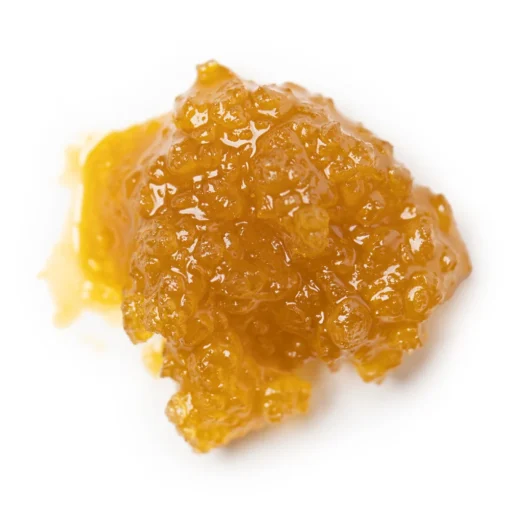
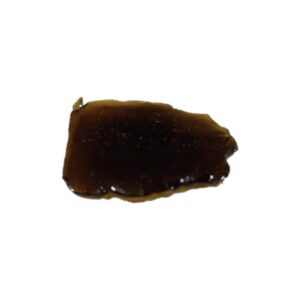
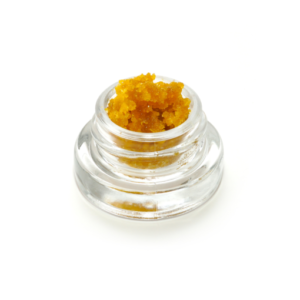
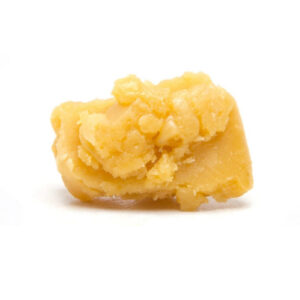
Shatter is a type of cannabis concentrate recognized for its distinctive appearance and texture.
The name “shatter” comes from its tendency to break into pieces when handled, resembling thin sheets of amber-colored glass. Unlike softer concentrate categories such as wax or budder, shatter is typically associated with a more rigid consistency.
The concentrate market includes several texture-based categories, including:
- Shatter
- Wax
- Budder
- Crumble
- Resin
- Rosin
These names generally describe physical consistency rather than serving as indicators of quality.
Understanding Cannabis Concentrates
Cannabis concentrates are products created by separating and concentrating compounds naturally present in cannabis plants.
Compared with raw flower, concentrates undergo additional manufacturing and refinement processes.
The development of concentrates has been influenced by:
- Advances in extraction technology
- Consumer demand for product variety
- Industry innovation
- Expanding legal cannabis markets
Today, concentrates represent a significant segment of regulated cannabis industries in locations where cannabis products are legally available.
What Does “Hybrid” Mean?
The term “hybrid” is frequently used in cannabis product descriptions.
Historically, cannabis products have often been categorized as:
- Indica
- Sativa
- Hybrid
A hybrid generally refers to cannabis genetics that combine characteristics from different breeding lineages.
Modern researchers and industry professionals increasingly emphasize that many factors influence product composition, including:
- Genetics
- Cultivation methods
- Environmental conditions
- Harvest timing
- Processing techniques
As a result, simple labels such as “hybrid” may not fully describe a product’s characteristics.
Manufacturing Concepts Behind Concentrates
The production of cannabis concentrates involves extracting specific compounds from plant material.
While production methods vary, regulated manufacturers often follow structured processes that may include:
Raw Material Selection
Production begins with selecting cannabis plant material.
Extraction
Desired compounds are separated from plant matter using specialized extraction techniques.
Refinement
Manufacturers refine extracts to improve consistency and remove unwanted materials.
Stabilization
Additional processing may influence texture and appearance.
Packaging
Finished products are packaged and labeled according to regulatory requirements.
The final consistency of shatter is influenced by multiple manufacturing variables, including temperature control and refinement techniques.
Importance of Product Testing
Laboratory testing is one of the most important components of regulated cannabis industries.
Testing programs may evaluate:
- Product composition
- Contaminants
- Microbial safety
- Heavy metals
- Residual processing materials
- Label accuracy
Independent testing helps improve transparency and supports consumer confidence.
Testing requirements vary significantly between jurisdictions, but verification remains a key part of many regulated cannabis systems.
Product Labeling and Transparency
Clear labeling is essential for consumer awareness.
Cannabis product labels often include:
- Product name
- Manufacturer information
- Batch numbers
- Production dates
- Testing information
- Regulatory warnings
Accurate labeling supports traceability and helps consumers better understand the products they are evaluating.
Consumers should carefully review product information and understand applicable local regulations.
Packaging Considerations
Packaging serves several important purposes.
Product Protection
Packaging helps protect products from:
- Air exposure
- Moisture
- Light
- Physical damage
Consumer Information
Packaging provides information regarding:
- Product identity
- Manufacturing details
- Compliance requirements
- Safety notices
Regulatory Compliance
Many jurisdictions require specific packaging features, including warning statements and child-resistant mechanisms.
Quality Assurance Systems
Quality assurance programs are designed to improve manufacturing consistency and accountability.
Examples include:
- Standard operating procedures
- Equipment maintenance programs
- Batch documentation
- Employee training
- Internal audits
Quality assurance helps manufacturers maintain compliance while supporting product consistency across production runs.
Consumer Awareness and Education
As cannabis product categories become more complex, consumer education becomes increasingly important.
Consumers often benefit from understanding:
Product Terminology
Learning the differences between concentrate categories can reduce confusion.
Marketing Language
Terms such as “premium,” “potent,” or “top shelf” are often marketing phrases rather than regulated classifications.
Testing Standards
Laboratory verification frequently provides more useful information than promotional claims.
Manufacturer Transparency
Companies that provide detailed product information may support better-informed evaluations.
Education helps consumers navigate increasingly diverse product markets.
Regulatory Considerations
Cannabis regulations vary widely around the world.
Some jurisdictions:
- Permit adult-use cannabis markets
- Operate medical cannabis programs
- Restrict cannabis products
- Prohibit production and sale entirely
Because legal frameworks differ significantly, products marketed as Chemdawg Shatter may be legal in some regions and prohibited in others.
Consumers should always verify local laws and regulations before making assumptions about product legality.
Industry Trends
The cannabis concentrate sector continues to evolve rapidly.
Current trends include:
Enhanced Testing Requirements
Many jurisdictions are strengthening laboratory testing standards.
Greater Transparency
Manufacturers increasingly provide detailed product information and traceability.
Improved Manufacturing Practices
Advances in technology support more consistent production methods.
Consumer Education Initiatives
Educational resources continue expanding as markets mature.
These developments reflect growing expectations for accountability and product transparency.
Marketing Versus Verified Information
One challenge for consumers is distinguishing marketing language from objective information.
Marketing may emphasize:
- Premium quality
- Exclusive genetics
- Luxury branding
- Superior products
However, more meaningful indicators often include:
- Independent testing
- Regulatory compliance
- Manufacturing transparency
- Accurate labeling
Consumers frequently benefit from focusing on verified information rather than promotional claims alone.
The Importance of Responsible Industry Practices
Responsible manufacturers often prioritize:
- Product testing
- Clear labeling
- Quality-control systems
- Regulatory compliance
- Consumer education
These practices contribute to greater trust and accountability within regulated industries.
As markets continue to mature, transparency and consumer protection remain important priorities for regulators, manufacturers, and consumers alike.
Conclusion
Chemdawg Shatter is a cannabis concentrate associated with the well-known Chemdawg strain name and the shatter consistency category. While the terminology is widely recognized within cannabis culture, understanding the broader context—including concentrate production, testing procedures, labeling practices, quality assurance, packaging standards, and regulatory oversight—is essential for informed consumer awareness.
Rather than relying solely on branding or marketing language, consumers benefit from focusing on transparency, verified testing, and compliance with local regulations. As cannabis industries continue to evolve, education remains one of the most valuable tools for understanding product categories and evaluating information responsibly.
Meta Title
Chemdawg Shatter Explained: Cannabis Concentrates, Testing & Consumer Awareness
Meta Description
Learn about Chemdawg Shatter, including cannabis concentrate terminology, manufacturing concepts, laboratory testing, quality assurance, packaging standards, regulatory considerations, and consumer education.
Be the first to review “Chemdawg Shatter – Potent Hybrid Cannabis Extract”
Related products
concentrates
concentrates
concentrates

concentrates
concentrates

concentrates
concentrates
Reviews
There are no reviews yet.