

Dabs – Understanding Cannabis Concentrates (Educational Guide)
“Dabs” is a common informal term used to describe highly concentrated cannabis extracts. These concentrates are part of a broader category of cannabis products designed to isolate and intensify certain compounds naturally found in the cannabis plant.
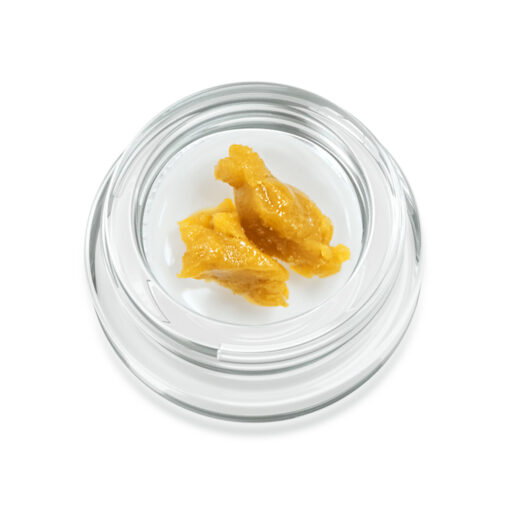
In regulated cannabis markets, dabs are often grouped under “concentrates” or “extracts.” They come in many textures and consistencies, including wax, shatter, budder, resin, and oil-based forms. The term “dab” itself refers more to the consumption style in informal language, but in modern usage it is often used to describe the concentrate product itself.
Understanding dabs requires looking at cannabis extraction methods, product classification, quality control, testing standards, and regulatory frameworks.
What Are Cannabis Dabs?
Cannabis dabs are concentrated forms of cannabis that contain a significantly higher concentration of plant compounds compared to traditional dried flower.
These concentrates are made by extracting specific compounds—primarily cannabinoids and terpenes—from the cannabis plant and removing much of the plant material.
The result is a product that is:
- More concentrated than flower
- Smaller in volume but stronger in composition
- Available in various textures and consistencies
- Packaged in small containers due to potency and handling
Because of their concentrated nature, dabs are typically produced in controlled environments using specialized equipment.
Understanding Cannabis Concentrates
Cannabis concentrates are an umbrella category that includes dabs and many other extract types.
Common concentrate categories include:
- Wax
- Shatter
- Budder
- Crumble
- Live resin
- Rosin
- Distillates
Each type differs in texture, appearance, and production method.
The goal of concentrates is to isolate desirable compounds from the cannabis plant while removing excess plant material such as chlorophyll, waxes, and fibers.
How Cannabis Concentrates Are Made
The production of cannabis concentrates involves extraction processes that separate chemical compounds from plant material.
1. Plant Material Selection
Manufacturers begin with cannabis flower or trim. The quality of the starting material has a major influence on the final product.
2. Extraction Process
Different extraction methods are used depending on the type of concentrate being produced.
These may include:
- Solvent-based extraction (using hydrocarbons or alcohols)
- Solventless extraction (using heat and pressure)
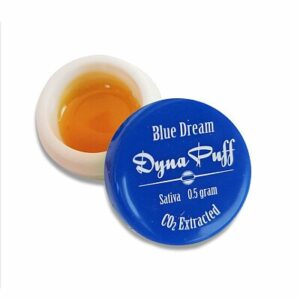
- CO₂ extraction methods
Each method affects flavor, texture, and final composition.
3. Purification
After extraction, unwanted plant materials are removed. This may include:
- Plant fats
- Chlorophyll
- Residual solvents (if used)
4. Refinement
The extract is further processed to achieve a specific consistency such as wax, shatter, or oil.
5. Packaging
Finally, the concentrate is packaged in airtight containers to preserve freshness and stability.
Why Concentrates Exist
Cannabis concentrates were developed to provide alternative product formats beyond traditional flower.
Their growth is driven by several factors:
1. Efficiency
A small amount of concentrate contains more extracted compounds than a similar weight of flower.
2. Product Innovation
The cannabis industry continuously develops new formats and textures.
3. Consumer Demand
Some consumers prefer different product experiences or more refined products.
4. Technological Advancements
Modern extraction methods allow for greater precision and consistency.
Types of Concentrates Often Called “Dabs”
Although “dab” is a general term, it often refers to multiple concentrate types.
Wax
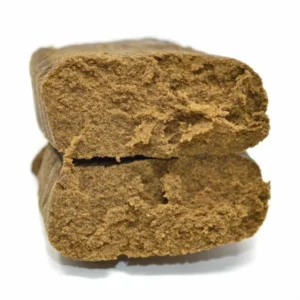
A soft, opaque concentrate with a sticky texture.
Shatter
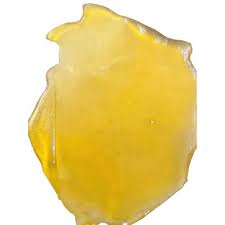
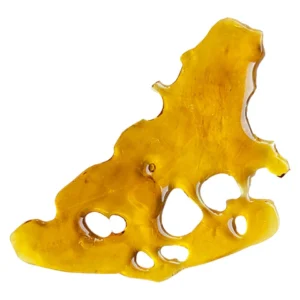
A brittle, glass-like concentrate that breaks easily.
Budder
A creamy, whipped concentrate with smooth consistency.
Live Resin
A concentrate made using fresh-frozen plant material to preserve aroma compounds.
Rosin
A solventless concentrate made using heat and pressure.
Each type reflects different production techniques rather than fundamentally different plant sources.
Quality and Testing Standards
In regulated markets, cannabis concentrates are typically subject to laboratory testing.
Testing may evaluate:
- Cannabinoid content
- Residual solvents
- Pesticide levels
- Heavy metals
- Microbial contamination
Testing helps ensure products meet safety and labeling standards required by regulators.
Independent lab results are often provided in the form of a Certificate of Analysis (COA), which helps consumers verify product information.
Packaging and Labeling
Packaging plays an important role in concentrate safety and regulation.
Labels may include:
- Product name
- Batch number
- THC/CBD content (where applicable)
- Manufacturer details
- Testing information
- Warning labels
Packaging is typically designed to:
- Prevent contamination
- Maintain product stability
- Provide safety information
- Ensure compliance with regulations
Because concentrates are often potent and sensitive to heat or air, proper storage is important in regulated contexts.
Consumer Awareness and Education
Understanding cannabis concentrates requires awareness of several key factors:
1. Terminology Confusion
Terms like “dab,” “wax,” or “shatter” are informal and may vary by region.
2. Marketing Language
Words such as “premium,” “top shelf,” or “ultra potent” are marketing terms, not standardized classifications.
3. Product Variability
Two products with the same name can differ significantly depending on manufacturer and process.
4. Regulation Differences
Cannabis laws vary widely between countries and regions.
Legal Considerations
Cannabis concentrate legality depends entirely on location.
In some regions:
- Cannabis is fully legal for adult use
- Only medical use is permitted
- Concentrates are restricted
- Cannabis is completely prohibited
Because laws vary, consumers must always check local regulations before purchasing or possessing cannabis-related products.
Safety and Responsible Industry Practices
In regulated markets, safety practices include:
- Laboratory testing requirements
- Controlled manufacturing environments
- Packaging standards
- Product tracking systems
- Licensing requirements
These systems are designed to reduce risks and improve transparency.
However, unregulated markets may lack these safeguards, which increases variability in product quality and safety standards.
Industry Trends
The cannabis concentrate industry continues to evolve rapidly.
Key trends include:
1. Improved Extraction Technology
More efficient and refined extraction methods are being developed.
2. Greater Transparency
Companies are increasingly providing lab testing data.
3. Product Diversification
New concentrate formats continue to emerge.
4. Regulatory Expansion
More regions are developing cannabis regulations and testing requirements.
The Role of Consumer Education
Education is one of the most important tools for understanding cannabis concentrates.
Well-informed consumers are better able to:
- Interpret product labels
- Understand testing data
- Recognize marketing language
- Make informed evaluations
- Navigate regulatory differences
As the cannabis industry matures, education helps bridge the gap between marketing and scientific understanding.
Conclusion
Dabs are a category of cannabis concentrates representing highly refined plant extracts. While they are often marketed as premium products, their characteristics are best understood through manufacturing methods, extraction processes, testing standards, and regulatory frameworks rather than branding alone.
Understanding concentrates requires awareness of production techniques, labeling practices, legal differences, and quality assurance systems. As the cannabis industry continues to evolve, transparency and consumer education remain essential for navigating this complex product category responsibly.
Be the first to review “Dabs | Premium Cannabis Concentrates”
Related products
concentrates
concentrates
concentrates
concentrates

concentrates
concentrates
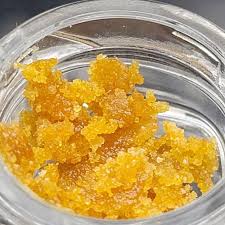
concentrates
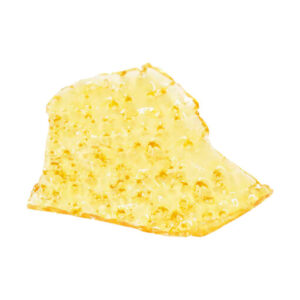
concentrates
2 reviews for Dabs | Premium Cannabis Concentrates
There are no reviews yet.