
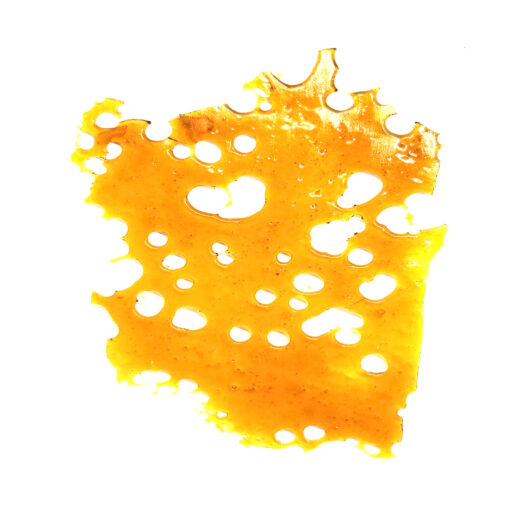
OG Kush Shatter – Educational Guide to Hybrid Cannabis Concentrates
Cannabis concentrates are highly refined products made by extracting and isolating compounds from the cannabis plant. One of the most widely discussed concentrate forms is shatter, a brittle, glass-like extract. When paired with a strain name like “OG Kush,” the term becomes a cultural and commercial label rather than a strict scientific classification.
OG Kush Shatter typically refers to a cannabis concentrate made using material associated with the OG Kush genetic line and processed into a shatter form. The label “THC hybrid cannabis concentrate” suggests a product derived from hybrid cannabis genetics with a focus on tetrahydrocannabinol (THC) content.
However, these terms are not standardized scientific categories. They represent a combination of strain naming conventions, extraction methods, and marketing language used in cannabis industries.
To understand this properly, we need to break it down into four parts:
- What cannabis shatter is
- What OG Kush refers to
- What hybrid cannabis means
- How concentrates are produced and regulated
What Is Cannabis Shatter?
Shatter is a type of cannabis concentrate known for its hard, glass-like texture and brittle structure.
Cannabis shatter
It is one of several cannabis extract forms, alongside wax, budder, crumble, resin, and distillate.
Key characteristics of shatter:
- Transparent or amber appearance
- Brittle, glass-like texture
- High concentration of cannabis compounds
- Breaks easily when handled
- Sensitive to heat and light
The term “shatter” refers strictly to its physical form, not its potency or chemical makeup.
Shatter is produced by refining cannabis extracts into a stable, solid structure through controlled processing methods.
What Is OG Kush?
OG Kush is one of the most well-known cannabis strain names in global cannabis culture.
OG Kush
It is widely considered a foundational strain in modern cannabis breeding and has influenced many hybrid varieties.
However, its exact genetic origin is debated. Different growers and breeders describe OG Kush differently, and its lineage is not universally standardized.
General characteristics associated with OG Kush in cannabis culture:
- Hybrid genetic background
- Strong aromatic profile
- Widely used in breeding new strains
- Highly influential in modern cannabis genetics
It is important to note that strain names like OG Kush are not scientifically fixed classifications, and different cultivators may produce slightly different chemical profiles under the same name.
What Does “Hybrid” Mean in Cannabis?
A hybrid cannabis plant refers to genetics that combine traits from both indica and sativa lineages.
Cannabis hybrid
Historically, cannabis was divided into:
- Indica
- Sativa
- Ruderalis
Modern cannabis science shows that these categories are oversimplified. Most cannabis plants today are hybrids due to extensive crossbreeding.
Hybrid cannabis typically means:
- Mixed genetic traits
- Variable cannabinoid and terpene profiles
- Effects influenced by chemistry rather than classification
The term “hybrid” is now primarily used as a consumer labeling system, not a strict biological category.
What Is THC Concentrate?
THC (tetrahydrocannabinol) is one of the main cannabinoids found in cannabis plants.
Tetrahydrocannabinol
A THC concentrate is a product where THC and related compounds are extracted and concentrated into a more potent form than raw cannabis flower.
However, actual concentrates contain more than just THC. They may also include:
- Other cannabinoids (CBD, CBG, etc.)
- Terpenes (aromatic compounds)
- Trace plant materials depending on refinement
How Shatter Is Made (General Overview)
Shatter production involves controlled extraction and refinement processes used in regulated cannabis manufacturing.
1. Selection of Plant Material
Cannabis flower or trim associated with a strain (such as OG Kush) is selected.
2. Extraction Process
Cannabinoids and other compounds are extracted from plant material using industrial methods.
3. Separation
Plant material is removed, leaving behind a crude extract containing cannabinoids and terpenes.
4. Refinement
The extract is purified to remove unwanted waxes, lipids, and impurities.
5. Purging
Residual substances from extraction are removed under controlled conditions.
6. Formation of Shatter
The refined extract is cooled and structured into a brittle, glass-like form.
7. Packaging
The final product is sealed to protect it from air, heat, and light exposure.
Why Shatter Exists in Cannabis Markets
Shatter is one of several concentrate types developed as cannabis extraction technology evolved.
Its popularity comes from several factors:
1. High Concentration
Shatter contains concentrated cannabis compounds compared to raw flower.
2. Physical Stability
When properly stored, shatter maintains a solid structure.
3. Standardized Production
It can be consistently produced in regulated environments.
4. Product Variety
It provides an alternative format to cannabis flower and other extracts.
Chemical Composition
Shatter derived from hybrid cannabis material like OG Kush may contain:
- THC (primary psychoactive cannabinoid)
- Minor cannabinoids (CBD, CBN, CBG, etc.)
- Terpenes (aromatic compounds influencing scent and flavor)
- Trace plant compounds depending on refinement level
The exact composition varies depending on:
- Genetics of source plant
- Extraction method
- Refinement process
- Storage conditions
Modern cannabis analysis focuses on chemical profiles rather than strain names alone.
Quality Control and Testing
In regulated cannabis markets, concentrates undergo laboratory testing.
Testing may include:
- Cannabinoid potency analysis
- Residual solvent screening
- Pesticide detection
- Heavy metal testing
- Microbial contamination checks
A Certificate of Analysis (COA) is often used to verify safety and composition.
These tests help ensure transparency and regulatory compliance in legal markets.
Storage and Stability
Shatter is sensitive to environmental factors.
Key factors affecting stability include:
- Heat (can soften or deform texture)
- Light (can degrade cannabinoids)
- Oxygen (can cause oxidation)
- Moisture exposure
Proper storage helps preserve both chemical integrity and physical structure.
Misconceptions About Strains and Concentrates
There are several common misunderstandings:
1. “OG Kush guarantees specific effects”
Strain names are not scientifically standardized.
2. “Hybrid means balanced effects”
Hybrid classification does not guarantee predictable outcomes.
3. “Shatter is purer than other concentrates”
Purity depends on production and testing, not texture.
4. “THC equals overall strength”
Cannabis effects are influenced by multiple compounds, not THC alone.
Legal Considerations
Cannabis laws vary significantly worldwide.
Depending on jurisdiction, cannabis concentrates may be:
- Legal for adult recreational use
- Restricted to medical use
- Controlled under strict regulation
- Completely illegal
Legal status depends entirely on local laws and enforcement.
Industry Trends
The cannabis concentrate market continues to evolve with trends such as:
- Improved extraction and purification methods
- Increased lab testing requirements
- Greater transparency in labeling
- Expansion of concentrate product categories
- Growing consumer education about cannabinoids and terpenes
These trends reflect a shift toward more regulated and science-informed cannabis industries.
Conclusion
OG Kush Shatter (THC Hybrid Cannabis Concentrate) refers to a cannabis extract made in shatter form using material associated with OG Kush genetics and hybrid cannabis classifications. While widely used in cannabis markets, these terms are not strictly standardized scientific definitions.
Understanding this product requires knowledge of cannabis genetics, extraction methods, chemical composition, testing standards, and legal frameworks. As the cannabis industry continues to evolve, education and transparency remain essential for accurately interpreting concentrate products.
Be the first to review “OG Kush Shatter – THC Hybrid Cannabis Concentrate”
Related products
concentrates
concentrates
concentrates
concentrates
concentrates
concentrates
concentrates
1 review for OG Kush Shatter – THC Hybrid Cannabis Concentrate
There are no reviews yet.