
Green Crack Crumble Wax – Educational Guide to Cannabis Concentrates
“Green Crack Crumble Wax” is a name commonly used in cannabis culture to describe a type of cannabis concentrate associated with the strain name Green Crack and the texture category known as crumble wax. In regulated cannabis markets, products like this fall under the broader category of cannabis extracts or concentrates, which are created by isolating and refining compounds from the cannabis plant.
It is important to understand that names such as “Green Crack Crumble Wax” are not standardized scientific product classifications. Instead, they are combinations of strain names, texture descriptions, and marketing language used within cannabis industries.
This guide explains what crumble wax is, what “Green Crack” refers to, how concentrates are produced, and what consumers should understand about safety, regulation, and product variability.
What Is Cannabis Crumble Wax?
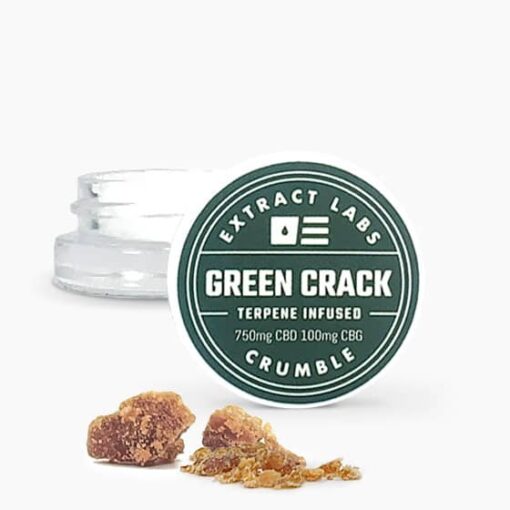
Crumble wax is a type of cannabis concentrate known for its dry, crumbly texture. It is part of a larger family of concentrates that includes wax, shatter, budder, resin, and rosin.
Unlike sticky or oily concentrates, crumble wax has a more brittle and porous structure, making it easy to break apart into small pieces.
Typical characteristics of crumble wax include:
- Dry, honeycomb-like texture
- Light yellow to golden color
- Easy-to-break consistency
- High concentration of extracted plant compounds
The texture is primarily the result of how the extract is processed and dried, not necessarily an indicator of potency or quality.
Understanding “Green Crack”
The term Green Crack refers to a well-known cannabis strain name in cannabis culture.
Green Crack
Strain names like Green Crack are used to describe genetic lineages of cannabis plants, but they are not strictly standardized across the industry. This means that different growers or producers may label similar or even genetically different plants under the same name.
In general cannabis discussions, Green Crack is often categorized as a sativa-leaning strain, though modern research shows that traditional “indica vs sativa” labeling is an oversimplification of cannabis chemistry.
Strain names today are more commonly used for branding and general categorization rather than precise scientific classification.
What Does “Crumble Wax” Mean?
The term “crumble wax” describes the physical form of the concentrate, not its chemical composition.
Crumble wax is created when cannabis extract is processed in a way that allows moisture and volatile compounds to evaporate, resulting in a dry, porous structure.
Other concentrate textures include:
- Wax (soft and sticky)
- Budder (creamy and smooth)
- Shatter (glass-like and brittle)
- Resin (sticky and aromatic)
- Rosin (solventless extract)
Each texture reflects differences in production techniques rather than fundamental differences in the cannabis plant itself.
How Cannabis Crumble Wax Is Made (General Overview)
Cannabis concentrates like crumble wax are produced through a multi-step extraction and refinement process.
1. Selection of Plant Material
The process begins with cannabis flower or trim. The quality and freshness of this material influence the final extract.
2. Extraction Process
Manufacturers extract cannabinoids and aromatic compounds from the plant using controlled methods. In regulated environments, this is done with strict safety standards.
3. Filtration and Purification
The raw extract is filtered to remove unwanted plant material such as waxes, fats, and chlorophyll.
4. Refinement and Purging
The extract is carefully processed to remove remaining solvents (if used in extraction) and adjust consistency.
5. Texture Formation
The crumble texture forms when the extract is dried or processed under specific conditions that reduce moisture and create a brittle structure.
6. Packaging
The final product is packaged in sealed containers to protect it from air, light, and heat exposure.
Why Concentrates Like Crumble Wax Exist
Cannabis concentrates were developed as part of the evolution of cannabis products in regulated markets.
Their popularity is driven by several factors:
1. Product Diversity
Consumers may prefer different formats beyond traditional cannabis flower.
2. Extraction Innovation
Advances in technology allow for more refined and controlled extraction methods.
3. Efficiency
Concentrates contain higher levels of extracted compounds per gram compared to raw plant material.
4. Market Demand
As cannabis legalization expands in some regions, demand for alternative formats has increased.
Understanding “Sativa” Labeling
The term sativa is commonly used in cannabis marketing to describe certain strains.
However, modern scientific understanding suggests that:
- Cannabis effects are influenced by cannabinoid and terpene profiles
- Genetic labeling is not always consistent
- “Sativa vs indica” is a simplified classification system
Therefore, terms like “sativa wax” should be understood as industry labeling conventions, not precise scientific categories.
Importance of Testing and Quality Control
In regulated cannabis markets, laboratory testing is a key requirement.
Testing may include analysis of:
- Cannabinoid levels (such as THC and CBD)
- Residual solvents
- Pesticide contamination
- Heavy metals
- Microbial safety
These tests help ensure products meet regulatory standards and provide transparency for consumers.
However, in unregulated markets, testing may not be available or reliable.
Labeling and Product Transparency
Proper labeling is essential in regulated cannabis systems.
Labels may include:
- Product name
- Strain designation
- Batch number
- Manufacturer details
- THC/CBD content
- Safety warnings
- Testing information
Clear labeling helps consumers understand product origin and composition.
In contrast, informal or unregulated products may lack consistent labeling standards.
Packaging and Storage Considerations
Cannabis concentrates like crumble wax are sensitive to environmental conditions.
Key factors affecting stability include:
- Heat exposure
- Air oxidation
- Light exposure
- Moisture contamination
Proper packaging in regulated markets helps preserve product consistency and reduce degradation over time.
Consumer Awareness and Education
As cannabis markets expand, consumer education becomes increasingly important.
Key points include:
1. Strain Names Are Not Standardized
Names like “Green Crack” may vary in meaning depending on the producer.
2. Marketing Terms Are Not Scientific
Words such as “premium,” “high-THC,” or “top shelf” are not regulated quality grades.
3. Product Consistency Varies
Even similar products may differ based on manufacturing processes.
4. Regulation Matters
Legal markets typically have stricter testing and labeling requirements than unregulated ones.
Legal Considerations
Cannabis laws vary widely across countries and regions.
Depending on jurisdiction, cannabis products may be:
- Fully legal for adult use
- Available only for medical use
- Restricted or controlled
- Completely illegal
Because of this variation, legality depends entirely on local laws and regulations.
Consumers should always verify their local legal framework before engaging with cannabis-related products.
Industry Trends
The cannabis concentrate industry continues to evolve.
Current trends include:
- Improved extraction technology
- Increased regulatory oversight
- Better testing standards
- More transparent labeling systems
- Expansion of concentrate product categories
As the industry matures, safety, consistency, and consumer education are becoming central priorities.
Conclusion
Green Crack Crumble Wax refers to a cannabis concentrate associated with the Green Crack strain name and crumble wax texture category. While widely used in cannabis culture and marketing, these terms are not standardized scientific classifications.
Crumble wax is a concentrate defined by its dry, brittle texture and is produced through extraction and refinement processes that isolate compounds from cannabis plants. Understanding labeling, testing, regulation, and manufacturing practices is essential for interpreting these products in a responsible and informed way.
As cannabis industries continue to develop, transparency and education remain key factors in helping consumers understand how concentrates are categorized and regulated.
Be the first to review “Green Crack Crumble Wax | High-THC Sativa Wax”
Related products
concentrates
concentrates
concentrates
concentrates

concentrates
concentrates
concentrates
concentrates
Reviews
There are no reviews yet.